This content was generated using artificial intelligence based on publicly available information. It is provided for general informational purposes only and does not constitute legal, tax, immigration, or professional advice. Information may be incomplete or outdated. Always verify with official sources before making decisions.
Data Source: Safety, crime, and quality metrics are sourced from Numbeo, a crowd-sourced global database of reported data.
All scores are relative comparisons on a 0-100 scale, where 50 = global average. Higher scores mean better than average, lower scores mean worse than average.
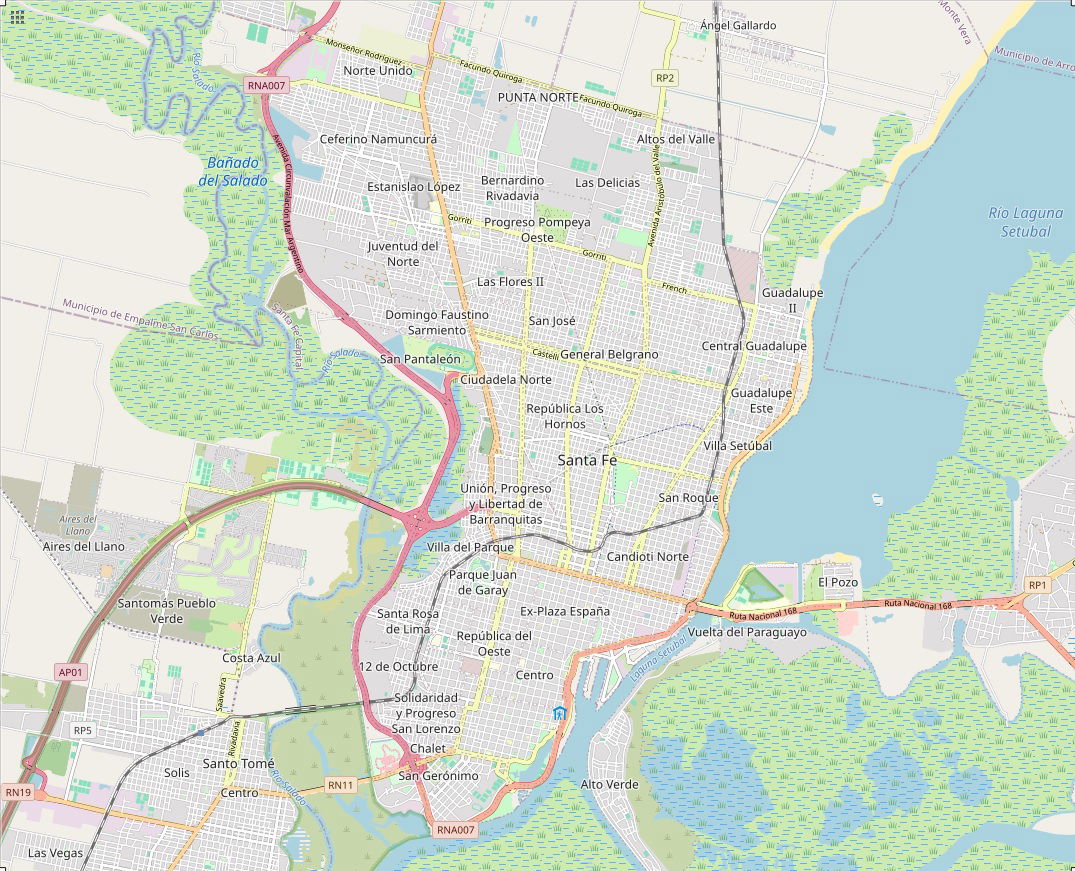
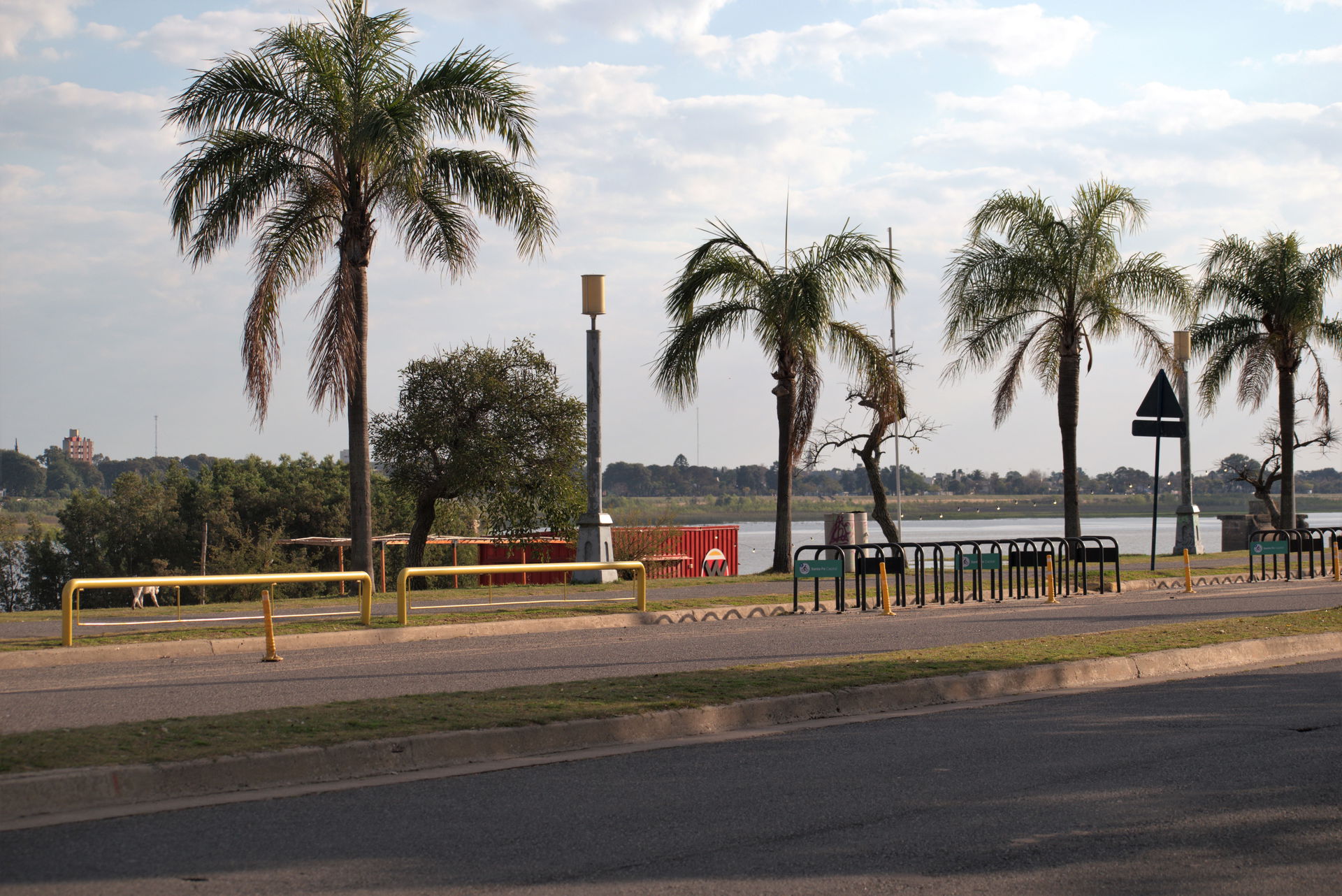
Santa Fe offers a grounded, authentic Argentine experience for those seeking a slower pace than Buenos Aires without sacrificing urban utility. It is a riverside city defined by a relaxed, academic atmosphere and a manageable scale that makes daily life feel intuitive. You’ll find a reliable standard of healthcare and a functional public transport network, making it a practical choice for families and professionals looking to establish roots.
While the lifestyle is highly livable, the city lacks the high-octane international buzz of larger hubs, and you may find the social scene more localized than global. It is an ideal fit if you prioritize stability and a steady cost of living over constant metropolitan stimulation.
Santa Fe, Argentina has a humid subtropical climate (Köppen Cfa) with hot, muggy summers and mild winters. Annual rainfall is moderate to fairly high, with wetter conditions concentrated in the warm season and relatively drier winters; the city’s mean annual temperature is about 19°C and annual rainfall is around 1213 mm. The current overcast, very humid conditions are consistent with short-term weather variability, but long-term averages remain warm and seasonally wet.
Summer Average
26°C
Winter Average
12°C
Climate Type
Humid Subtropical
Rainy Days
90
Sunny Days
230
Humidity
70%
Spring
September - November
18-27°C
Spring is warm and increasingly humid, with frequent showers and occasional thunderstorms as temperatures rise. Vegetation responds quickly as conditions transition toward the hot season.
Moderate rainfall
Summer
December - February
24-32°C
Summer is hot, muggy, and often the wettest part of the year, with periodic heavy rain and thunderstorms. Heat and humidity can be pronounced, especially in January and February.
High rainfall
Autumn
March - May
16-24°C
Autumn brings gradually cooler and more comfortable weather, with rainfall decreasing compared with summer. Conditions are often pleasant, though rain events still occur.
Moderate rainfall
Winter
June - August
9-16°C
Winter is mild and comparatively drier, with cool mornings and comfortable daytime temperatures. Frost is uncommon, and precipitation is usually lighter than in summer.
Low rainfall
Loading Weather...
Air Quality
Santa Fe
Advantages
Santa Fe
Extensive park system
Rich cultural heritage
Affordable housing costs
Multiple university options
Abundant educational institutions
Disadvantages
Santa Fe
Limited job opportunities
Infrastructure needs improvement
Flooding risk during rainy seasons
Limited nightlife and entertainment
Brain drain to Buenos Aires
Safety & Security in Santa Fe
Overall Safety Score
Includes resilience and environmental factors
Moderate
48
/100
Argentina Avg
55
South America Avg
54
Worldwide Avg
56
Crime & Safety Metrics
Thermometer compares Santa Fe to Argentina averages using different marker styles.Compare:
Santa Fe
Argentina Average
Safety Index
0510
Low
Safety from Crime
0510
Concerning
Safe Alone (Day)
0510
Low
Safe Alone (Night)
0510
Critical
Safety from Violent Crime
0510
Dangerous
Safety from Property Crime
0510
Dangerous
Environmental & Natural Hazard Risks
Resilience Score: 86/100
No data for Santa Fe — showing hazard indicators from nearby Rafaela (~86 km).