This content was generated using artificial intelligence based on publicly available information. It is provided for general informational purposes only and does not constitute legal, tax, immigration, or professional advice. Information may be incomplete or outdated. Always verify with official sources before making decisions.
Data Source: Safety, crime, and quality metrics are sourced from Numbeo, a crowd-sourced global database of reported data.
All scores are relative comparisons on a 0-100 scale, where 50 = global average. Higher scores mean better than average, lower scores mean worse than average.
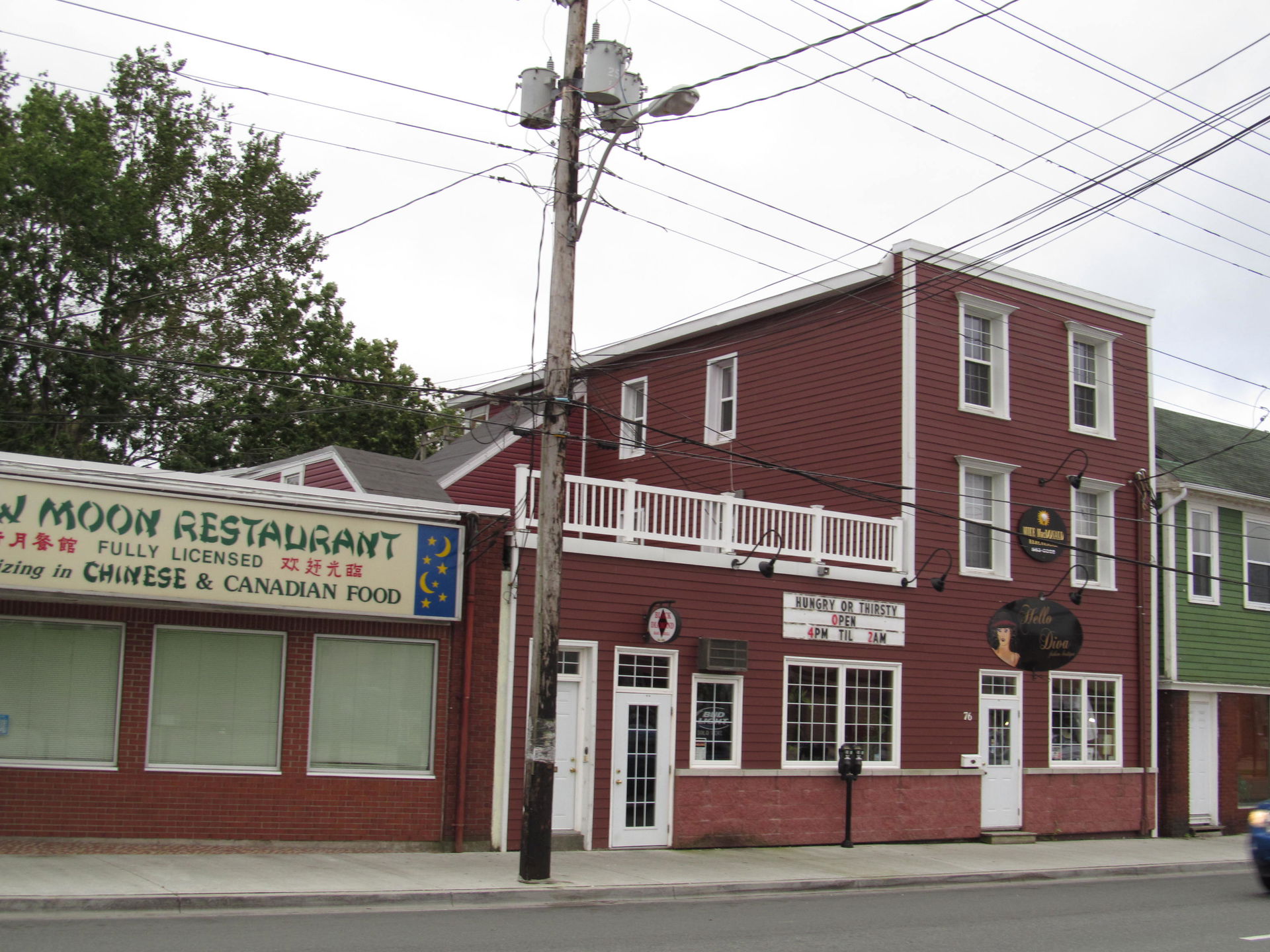
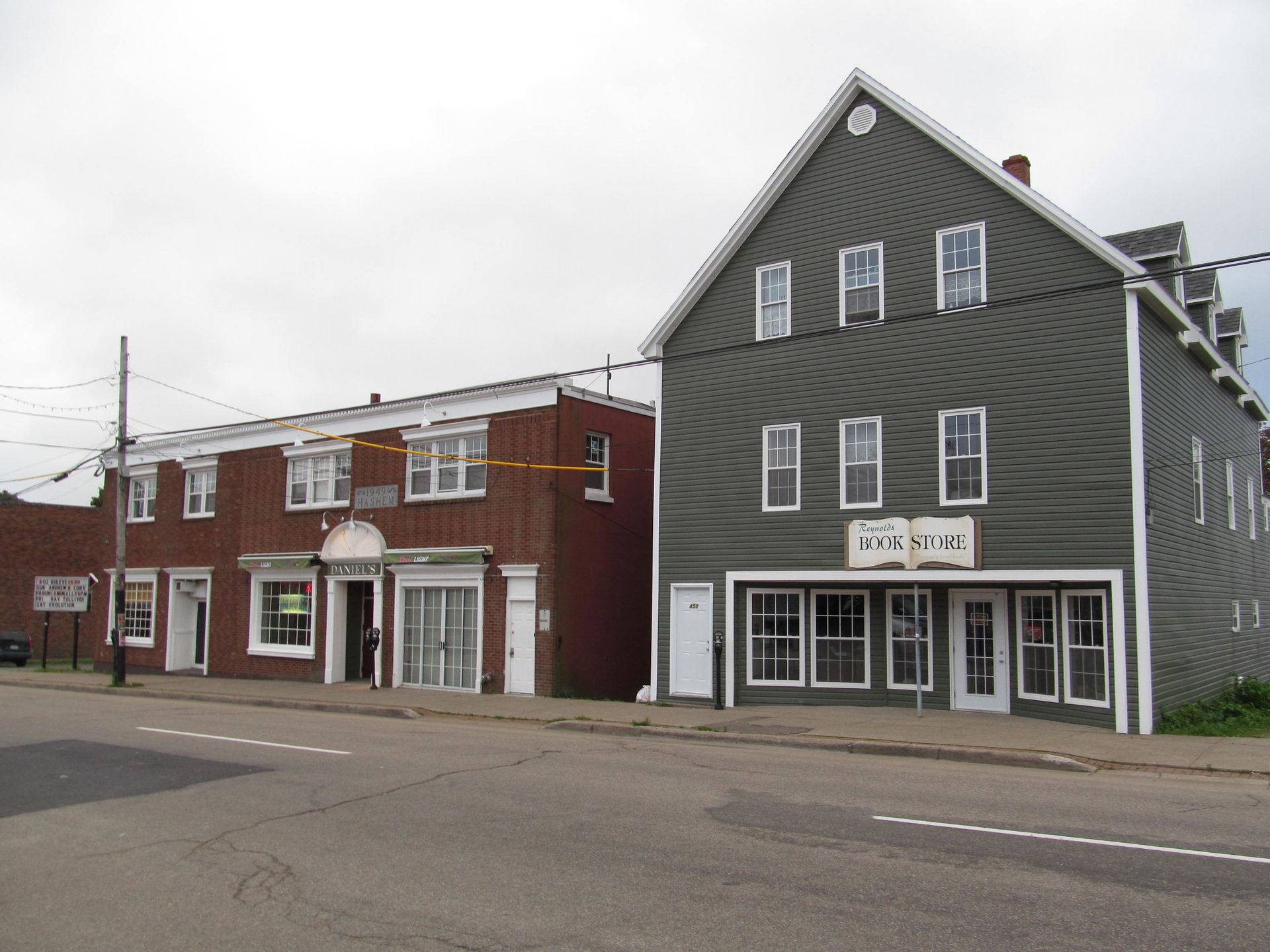
Sydney offers a rugged, coastal lifestyle defined by Atlantic charm and a significantly slower pace than Canada’s major hubs. It is an ideal landing spot for those seeking a tight-knit community and a more manageable cost of living, making it particularly attractive for families looking to establish roots without the urban frenzy. You’ll find reliable healthcare and decent public transit, providing a stable foundation for relocation.
However, the trade-off is the city's scale; the professional landscape is more niche, and the seasonal shifts can feel intense. If you prioritize outdoor access and affordability over high-octane career networking, Sydney provides a grounded, authentic Canadian experience.
Sydney, Nova Scotia has a humid continental climate (Köppen Dfb) strongly moderated by the Atlantic Ocean, which keeps summers cool to mild and winters cold, windy, and often stormy. Long-term climate normals show an annual mean temperature near 5.5°C, annual precipitation around 1156 mm, and humidity around 79%, which fits a cool, moist maritime-continent transitional climate. The city gets about 149 days per year with measurable rain or snow and roughly 1800 hours of sunshine annually, so conditions are often changeable rather than consistently dry or sunny.
Summer Average
21°C
Winter Average
-5°C
Climate Type
Humid Continental
Rainy Days
150
Sunny Days
149
Humidity
79%
Spring
March - May
0-12°C
Spring is cool and unsettled, with frequent cloud, rain, and lingering cool nights in March and April. Conditions usually improve by May, but coastal winds and damp weather remain common.
Moderate rainfall
Summer
June - August
14-22°C
Summer is mild rather than hot, with average highs in the low 20s°C and comfortable evenings. Periods of sunshine are common, but fog, coastal breezes, and occasional rain still occur.
Moderate rainfall
Autumn
September - November
4-16°C
Autumn is cool, breezy, and increasingly wet, with temperatures dropping quickly through October and November. Rain and early snow become more likely as the season progresses.
High rainfall
Winter
December - February
-9-1°C
Winter is cold, windy, and often stormy, with snow, mixed precipitation, and periods of freezing temperatures. Atlantic influence can moderate extremes, but winter weather remains substantial and changeable.
High rainfall
Loading Weather...
Air Quality
Sydney, NS
Advantages
Sydney, NS
Abundant parks and green spaces
Strong community volunteer culture
Affordable cost of living
Tight-knit local community
Coastal maritime heritage
Access to outdoor recreation
Disadvantages
Sydney, NS
No universities locally
Limited job opportunities
Aging industrial economy
No coworking spaces
Brain drain to larger cities
Safety & Security in Sydney, NS
Overall Safety Score
Includes resilience and environmental factors
Good
69
/100
Canada Avg
57
North America Avg
57
Worldwide Avg
56
Crime & Safety Metrics
Thermometer compares Sydney, NS to Canada averages using different marker styles.Compare: