This content was generated using artificial intelligence based on publicly available information. It is provided for general informational purposes only and does not constitute legal, tax, immigration, or professional advice. Information may be incomplete or outdated. Always verify with official sources before making decisions.
Data Source: Safety, crime, and quality metrics are sourced from Numbeo, a crowd-sourced global database of reported data.
All scores are relative comparisons on a 0-100 scale, where 50 = global average. Higher scores mean better than average, lower scores mean worse than average.
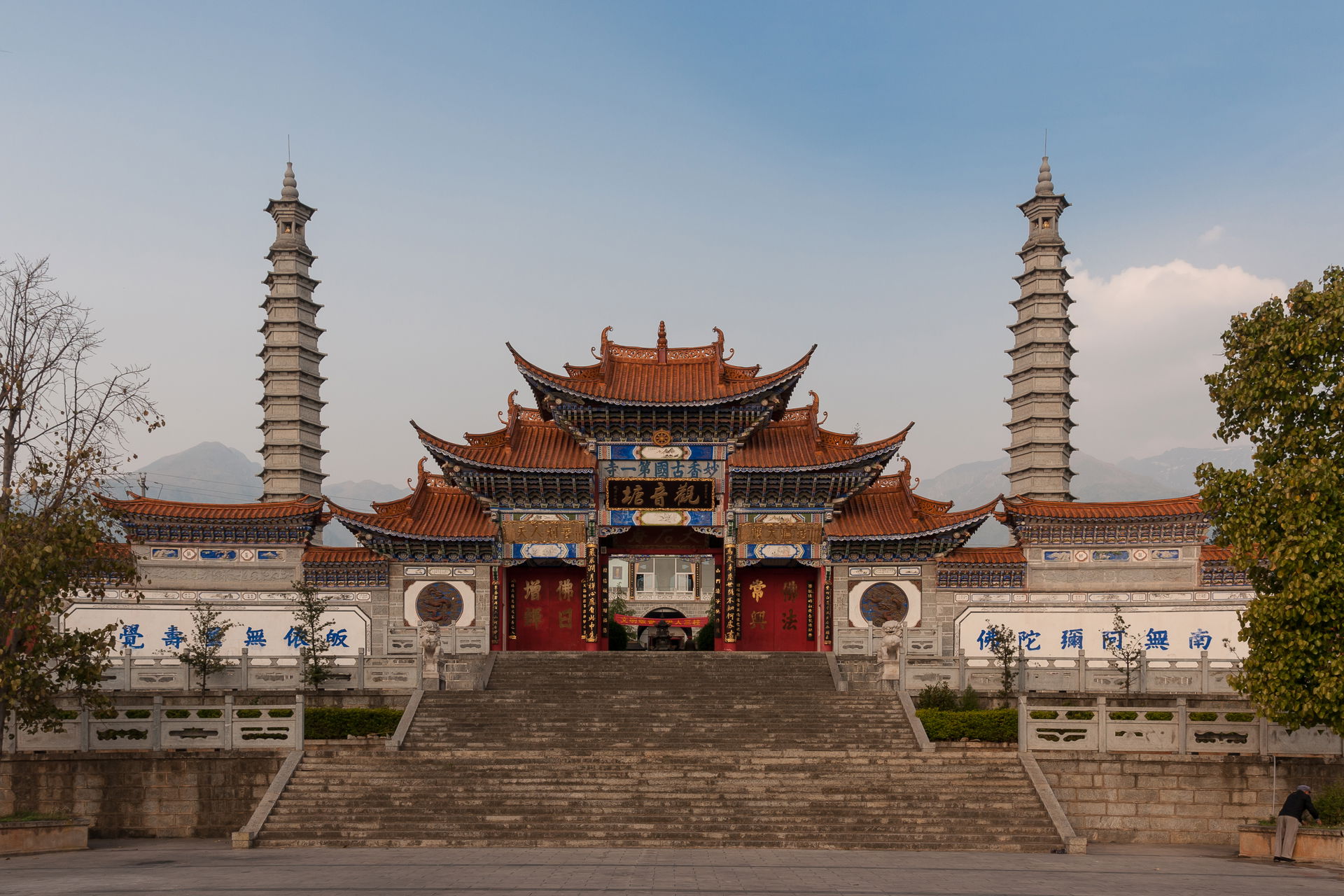
Nestled in the stunning Yunnan province, Dali offers expats a serene escape from China's bustling megacities. This small city blends traditional Bai culture with a laid-back lifestyle that attracts creatives, digital nomads, and those seeking a slower pace of life. With a solid safety rating and reliable public infrastructure, Dali provides a comfortable base for those wanting to experience authentic southwestern China.
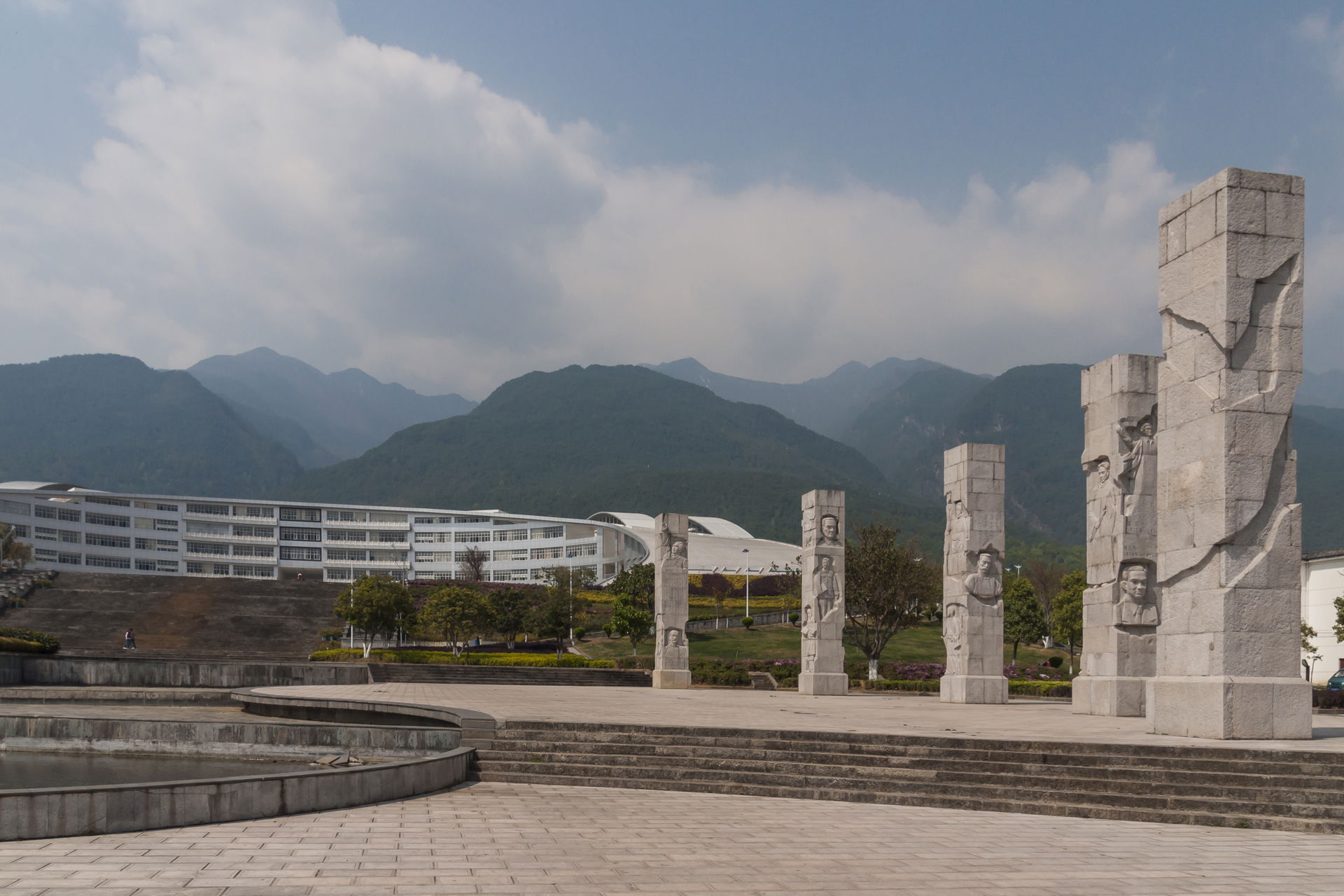
The city's real charm lies in its breathtaking natural setting, surrounded by the Cangshan Mountains and overlooking Erhai Lake. While smaller than major expat hubs, Dali compensates with an emerging international community, affordable living costs, and a welcoming atmosphere that makes settling in surprisingly smooth. For adventurous professionals seeking a unique Chinese experience off the beaten path, this hidden gem delivers unexpected quality of life.
Population
156,685
Area
1,733 km²
Density
90 per km²
Founded
-
Language
Chinese
Distance to Coast
902 km
Districts & Neighborhoods in Dali
Loading districts…
Climate & Weather in Dali
Dali has a **subtropical highland** climate with mild temperatures year-round, a pronounced dry season from roughly November to April, and a wetter season in late spring and summer. Long-term climate summaries describe cool winters, warm but not extreme summers, and a strong contrast between dry and rainy months, with humidity generally moderate rather than oppressive. The current overcast conditions and 27°C reading are warmer than the long-term summer average but still within the broader regional climate range.
Summer Average
20°C
Winter Average
9°C
Climate Type
Subtropical Highland
Rainy Days
70
Sunny Days
240
Humidity
65%
Spring
March - May
15-22°C
Spring is mild and generally comfortable, with warming temperatures and increasing cloudiness toward late spring. Rain begins to increase in May as the wetter season approaches.
Moderate rainfall
Summer
June - August
19-24°C
Summer is warm rather than hot, and it is the rainiest part of the year. Showers and overcast periods are common, while daytime heat is moderated by the city's highland setting.
High rainfall
Autumn
September - November
14-21°C
Autumn is one of the clearest and most pleasant seasons, with steadily cooling temperatures and decreasing rainfall. Conditions often become drier and sunnier as the dry season returns.
Moderate rainfall
Winter
December - February
6-12°C
Winter is cool and relatively dry, with sunny days common and nights noticeably colder than daytime. Snow is not a dominant feature in the city itself, but temperatures can drop sharply at higher elevations nearby.
Low rainfall
Loading Weather...
Air Quality
Dali
Advantages
Dali
Stunning mountain landscapes
Rich Bai ethnic culture
Ancient historic architecture
Peaceful Buddhist atmosphere
Affordable local lifestyle
Disadvantages
Dali
Remote mountain location
Limited job opportunities
Tourist-dependent economy
Slow internet connectivity
Basic healthcare infrastructure
Safety & Security in Dali
Overall Safety Score
Includes resilience and environmental factors
Moderate
55
/100
China Avg
54
Asia Avg
56
Worldwide Avg
56
Crime & Safety Metrics
Thermometer compares Dali to China averages using different marker styles.Compare:
Dali
China Average
No city-specific data available — showing China country averages instead.
Safety Index
0510
Good
Safety from Crime
0510
Safe
Safe Alone (Day)
0510
Good
Safe Alone (Night)
0510
Good
Safety from Violent Crime
0510
Safe
Safety from Property Crime
0510
Safe
Environmental & Natural Hazard Risks
Resilience Score: 82/100
No data for Dali — showing hazard indicators from nearby Chuxiong (~143 km).