This content was generated using artificial intelligence based on publicly available information. It is provided for general informational purposes only and does not constitute legal, tax, immigration, or professional advice. Information may be incomplete or outdated. Always verify with official sources before making decisions.
Data Source: Safety, crime, and quality metrics are sourced from Numbeo, a crowd-sourced global database of reported data.
All scores are relative comparisons on a 0-100 scale, where 50 = global average. Higher scores mean better than average, lower scores mean worse than average.
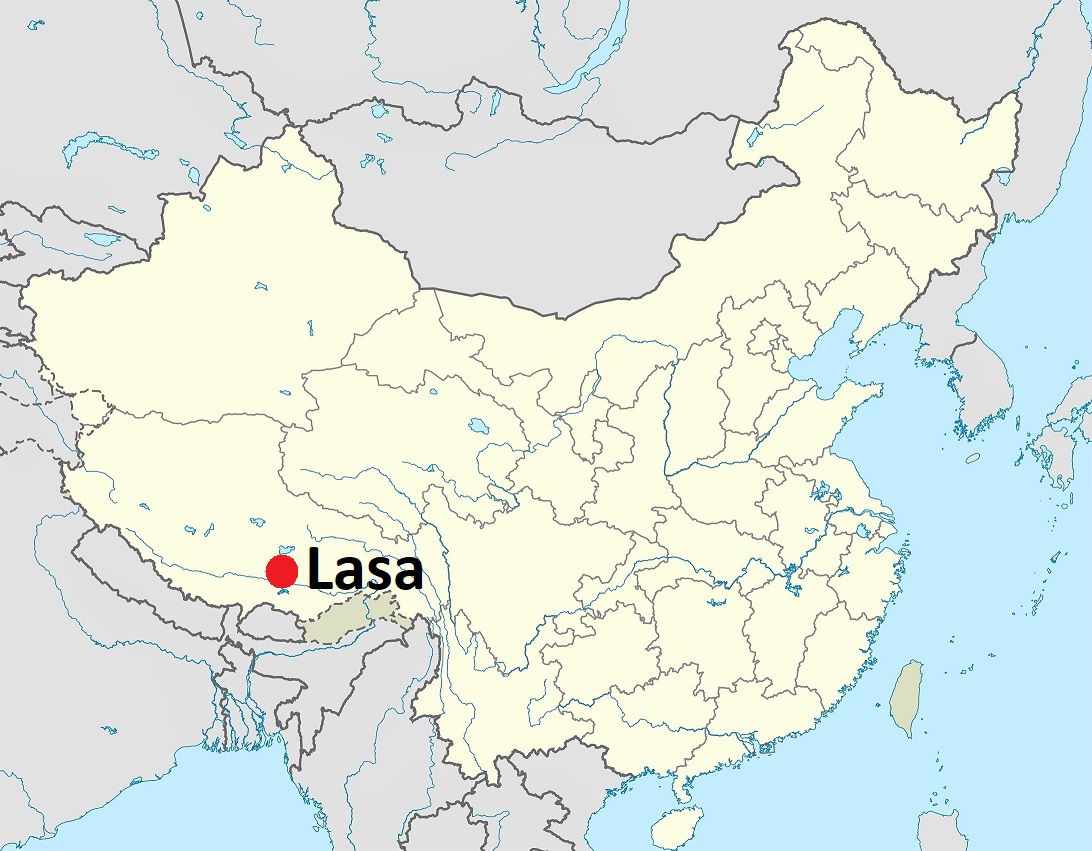
Lhasa offers a rare opportunity for adventurous expats seeking a transformative cultural experience at the roof of the world. Nestled in the Tibetan plateau at 3,656 meters, this high-altitude city provides an extraordinary professional and personal landscape, blending ancient Buddhist traditions with emerging economic opportunities. While infrastructure and amenities are developing, expats should expect a challenging but deeply rewarding environment that demands adaptability and offers unparalleled cultural immersion.
Healthcare and daily logistics require careful planning, with moderate infrastructure supporting basic needs. The city's safety rating and relatively stable living conditions make it suitable for professionals in education, NGO work, and specialized international roles. Prepare for significant altitude adjustment, limited Western conveniences, and a deeply authentic Tibetan cultural experience that will fundamentally reshape your worldview.
Population
219,599
Area
2,097 km²
Density
105 per km²
Founded
-
Language
Chinese
Distance to Coast
756 km
Districts & Neighborhoods in Lhasa
Loading districts…
Climate & Weather in Lhasa
Lhasa has a cool semi-arid climate (Köppen BSk) with monsoon influence, high elevation, strong sunshine, and a large day-night temperature range. Summers are mild to pleasantly warm and wetter, while winters are cold, dry, and generally sunny; annual precipitation is about 458 mm and annual sunshine is close to 3,000 hours. The current broken-clouds conditions and 39% humidity are consistent with Lhasa’s generally dry plateau climate.
Summer Average
17°C
Winter Average
0°C
Climate Type
Cool Semi-Arid
Rainy Days
90
Sunny Days
300
Humidity
45%
Spring
March - May
5-16°C
Spring is cool, very sunny, and often dry, with temperatures rising quickly by late season. Winds can be noticeable, and nights remain cold even when afternoons feel mild.
Low rainfall
Summer
June - August
14-21°C
Summer is the warmest and wettest period, but temperatures remain moderate rather than hot because of the city’s high elevation. Most rainfall falls in July and August, often as afternoon or evening showers.
Moderate rainfall
Autumn
September - November
4-16°C
Autumn is cool, very sunny, and increasingly dry as the rainy season ends. Days are often pleasant, but nights turn sharply cold by late season.
Low rainfall
Winter
December - February
-6-6°C
Winter is cold and dry, but Lhasa is buffered from extreme cold by its valley setting and strong sunshine. Frosty mornings are common, while daytime temperatures can still be tolerable in direct sun.
Very Low rainfall
Loading Weather...
Air Quality
Lhasa
Advantages
Lhasa
Stunning Himalayan landscapes
Rich Tibetan cultural heritage
Spiritual Buddhist atmosphere
Ancient Potala Palace
Unique high-altitude experience
Disadvantages
Lhasa
High altitude health risks
Limited economic opportunities
Cultural restrictions
Remote geographical location
Harsh winter conditions
Safety & Security in Lhasa
Overall Safety Score
Includes resilience and environmental factors
Excellent
81
/100
China Avg
54
Asia Avg
56
Worldwide Avg
56
Crime & Safety Metrics
Thermometer compares Lhasa to China averages using different marker styles.Compare: