This content was generated using artificial intelligence based on publicly available information. It is provided for general informational purposes only and does not constitute legal, tax, immigration, or professional advice. Information may be incomplete or outdated. Always verify with official sources before making decisions.
Data Source: Safety, crime, and quality metrics are sourced from Numbeo, a crowd-sourced global database of reported data.
All scores are relative comparisons on a 0-100 scale, where 50 = global average. Higher scores mean better than average, lower scores mean worse than average.
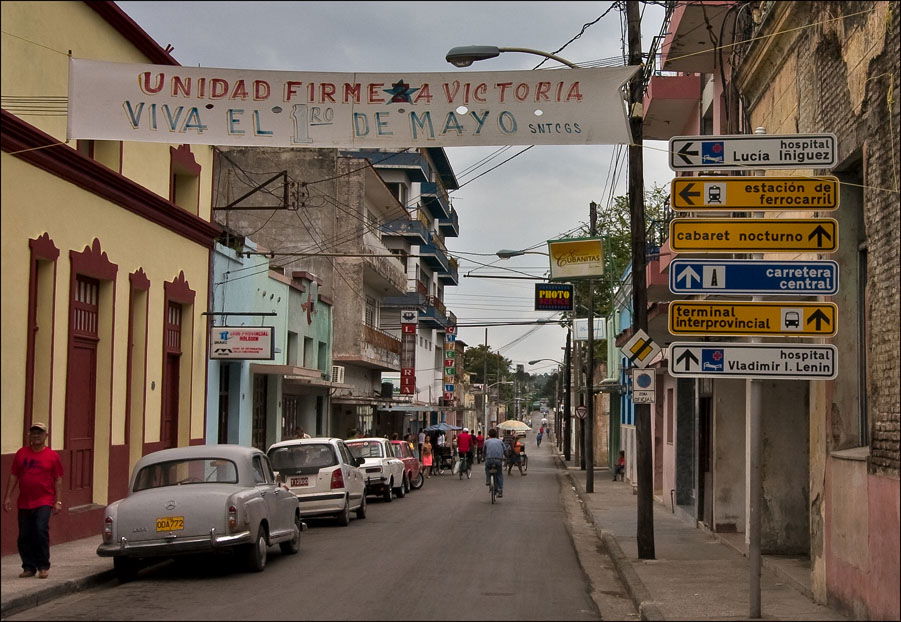
Holguín offers a grounded, authentic alternative to the high-intensity tourist hubs, appealing to those seeking a slower pace of life and deep cultural immersion. It is a city where community ties are strong and the cost of living remains exceptionally low, making it an attractive option for long-term stays. You will find a reliable public transport network and a functional healthcare system, providing a sense of stability rarely found in similar budget destinations.
However, relocation here requires a mindset of radical adaptability. While the lifestyle is enriching, you must navigate frequent resource scarcities and a logistical landscape that demands patience. It is a destination for the resilient professional, not the casual traveler.
Holguín has a tropical savanna climate (Köppen Aw) with warm temperatures year-round, a pronounced wet season from roughly May to October, and a drier, sunnier season from November to April. Based on regional climate data, average annual rainfall is moderate and humidity is generally high, consistent with eastern Cuba's trade-wind-influenced tropical climate.
Summer Average
29°C
Winter Average
23°C
Climate Type
Tropical Savanna
Rainy Days
105
Sunny Days
250
Humidity
78%
Spring
March - May
24-31°C
Spring is hot and increasingly humid, with conditions shifting from the dry season into the beginning of the rainy season. Late spring often brings the first frequent showers and thunderstorms.
Moderate rainfall
Summer
June - August
26-32°C
Summer is the warmest and wettest period, with frequent afternoon showers and a higher risk of tropical storms. Heat and humidity are both elevated, especially in inland areas.
High rainfall
Autumn
September - November
24-30°C
Autumn remains warm and humid, but rainfall gradually decreases as the wet season ends. Early autumn can still be storm-prone, while late autumn becomes noticeably drier.
Moderate rainfall
Winter
December - February
21-27°C
Winter is the coolest and driest time of year, with comfortable daytime temperatures and lower rainfall. Skies are often clearer, making this the most pleasant season for outdoor activities.
Low rainfall
Loading Weather...
Air Quality
Holguin
Advantages
Holguin
Abundant green spaces
Strong educational infrastructure
Affordable cost of living
Rich cultural heritage
Close-knit community bonds
Disadvantages
Holguin
Limited economic opportunities
Insufficient healthcare resources
Poor infrastructure maintenance
Restricted internet connectivity
Housing shortage and decay
Safety & Security in Holguin
Overall Safety Score
Includes resilience and environmental factors
Excellent
81
/100
Cuba Avg
61
North America Avg
57
Worldwide Avg
56
Crime & Safety Metrics
Thermometer compares Holguin to Cuba averages using different marker styles.Compare:
Holguin
Cuba Average
Safety Index
0510
Excellent
Safety from Crime
0510
Very Safe
Safe Alone (Day)
0510
Excellent
Safe Alone (Night)
0510
Excellent
Safety from Violent Crime
0510
Safe
Safety from Property Crime
0510
Very Safe
Environmental & Natural Hazard Risks
Resilience Score: 85/100
No data for Holguin — showing hazard indicators from nearby Puerto Padre (~49 km).