




Great fit
Great fit
Quality of life index out of 100

Czech Republic
Jizera, Morava, Oder, Olza, Opava, Thaya, Vltava · Czech
Czech Republic
Czech Republic delivers Europe's heart at half the Western cost — top quality of life, unbeatable purchasing power, and spa-like wellbeing in every active escape.
What it's like to live in Czech Republic
The Czech Republic, also known as Czechia, is a landlocked country located in Central Europe, bordered by Germany, Poland, Austria, and Slovakia. It covers an area of approximately 78,864 square kilometers (30,332 square miles), characterized by...
Your Czech Republic Roadmap
40+ page personal relocation analysis — visa path, tax strategy, neighbourhood guide, healthcare setup and more.
- ✓Visa & residency path
- ✓Tax optimisation
- ✓Neighbourhood guide
- ✓Healthcare & schools
- ✓Cost breakdown
Healthcare
- The Czech Republic operates a universal public healthcare system, primarily funded through mandatory health insurance contributions from residents and employers.
- Foreigners residing long-term or working in the Czech Republic are generally required to have health insurance, either public or comprehensive private, depending on their status.
- EU/EEA/Swiss citizens can access medically necessary public healthcare using their European Health Insurance Card (EHIC) for temporary stays.
The Czech Republic, as a Schengen Area member, allows citizens of approximately 59 visa-exempt countries—including the United States, United Kingdom, Canada, Australia, New Zealand, Japan, and most Latin American nations—to enter without a visa for short stays up to 90 days within any 180-day period. This limit applies across all 29 Schengen countries combined. Passports must be issued within the last 10 years and valid for at least 3 months beyond planned departure from Schengen. Since late 2026, all visa-exempt...
Discover Cities in Czech Republic
View all cities in Czech RepublicCreate your free profile to see personalized match scores.


Travel advisories, hazards, and conflict indicators
What other governments currently advise about traveling here
Cost of living, housing, income, and purchasing power overview
Income tax, corporate tax, and fiscal overview
Job market, business environment, and work permits
International schools, universities, and curricula
Pension, retirement pathways, and financial planning
Seasonal temperatures, rainfall, and sunshine hours
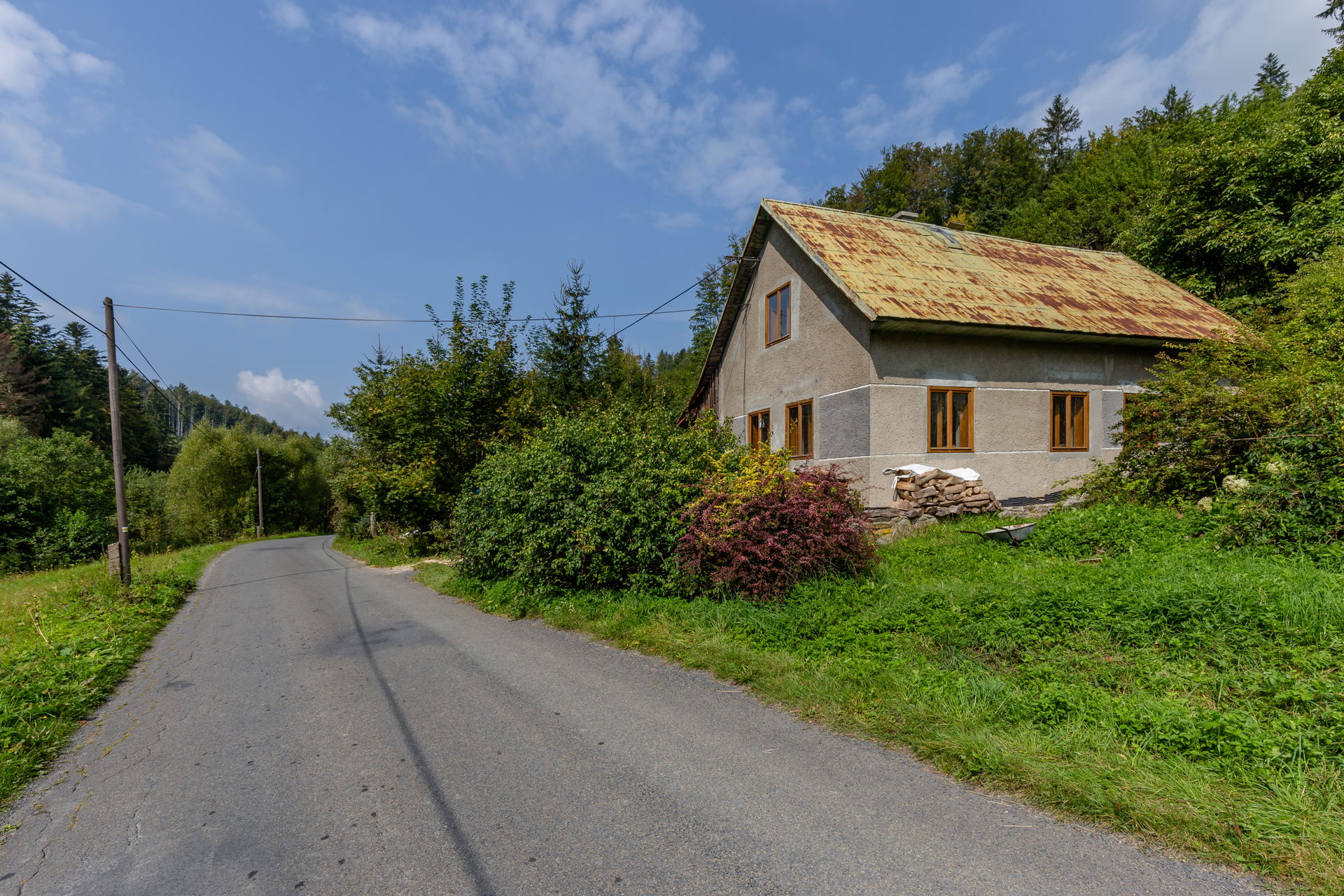
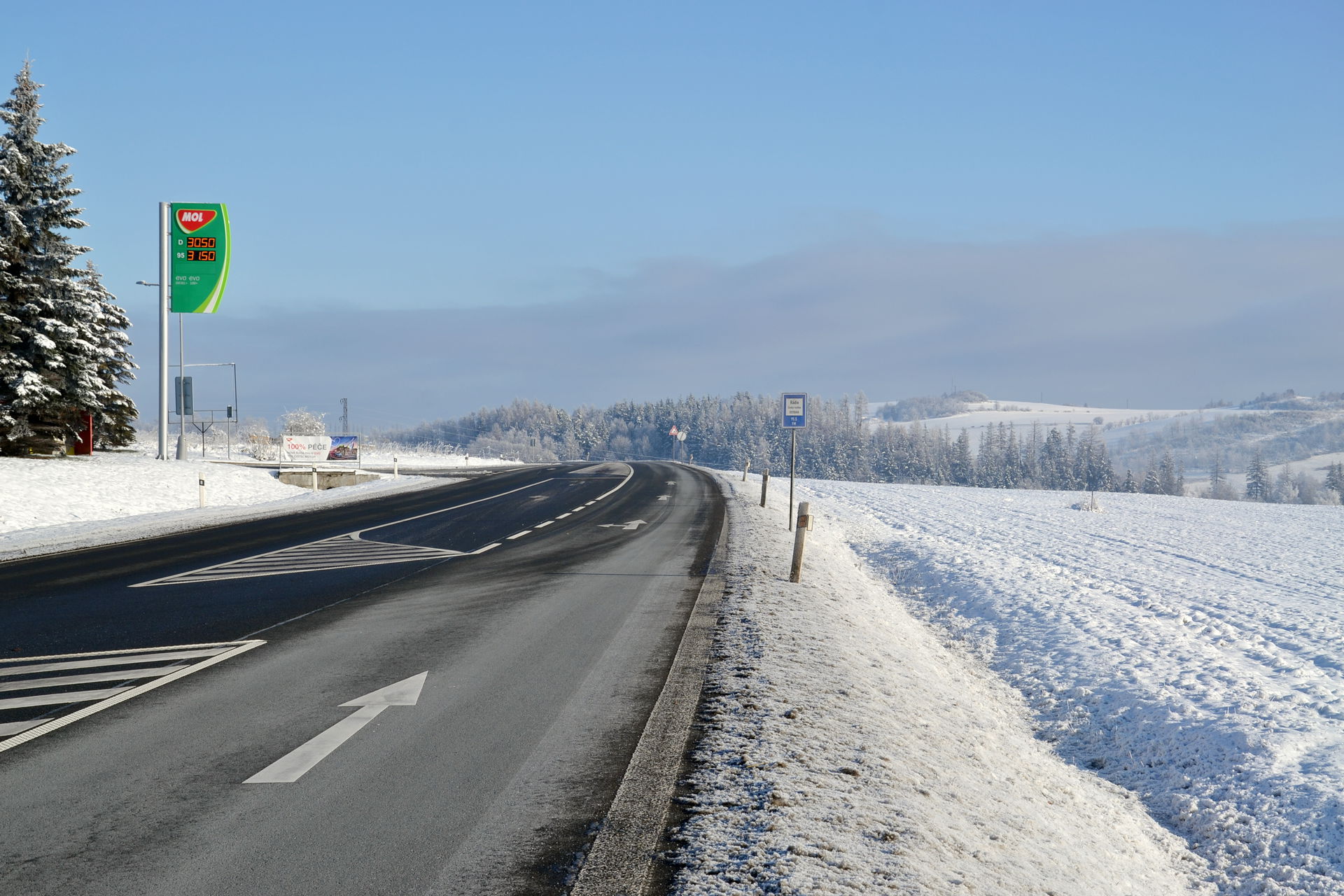
Country photos and landscapes
Population, languages, and ethnic composition
Day-to-day expat life and practical tips
Public transit, airports, and getting around
Residency, property ownership, and legal framework
Air quality, green spaces, and sustainability
Political system, government structure, and key policies
Location overview, cost of living index, and purchasing power
Economic and geographic overview at a glance
Community perspectives and expat experiences
Community & Discussion
Expat guides for Czechia
View all articles
Legal & Administration
ETIAS for Europe: What Travelers Need to Know Before It Launches
ETIAS has no confirmed launch date as of 4 August 2026, despite conflicting claims online about late-2026 or 2027 rollouts. This guide separates verified EU sources from outdated or unofficial ones, explains the pending EUR 20 fee, and shows how to spot fraudulent ETIAS websites before the system actually launches.
· 8 min read

Legal & Administration
Europe’s Digital Border Revolution: What Every Expat Must Know About the New Schengen Entry/Exit Rules
As the Schengen Area rolls out its high-tech Entry/Exit System, manual passport stamps become history and travelers must adapt to biometric checks, precise day-counting, and new digital rules. Discover what this seismic shift means for expats, remote workers, and anyone planning European adventures in the years ahead.
· 5 min read
Ready to stop
browsing and start moving?
Generate a personalized relocation roadmap — visa path, 3 shortlisted cities, tax & timeline.
This content was generated using artificial intelligence based on publicly available information. It is provided for general informational purposes only and does not constitute legal, tax, immigration, or professional advice. Information may be incomplete or outdated. Always verify with official sources before making decisions.
Data Source: Safety, crime, and quality metrics are sourced from Numbeo, a crowd-sourced global database of reported data.
All scores are relative comparisons on a 0-100 scale, where 50 = global average. Higher scores mean better than average, lower scores mean worse than average.
Community, cultural integration, and expat life