This content was generated using artificial intelligence based on publicly available information. It is provided for general informational purposes only and does not constitute legal, tax, immigration, or professional advice. Information may be incomplete or outdated. Always verify with official sources before making decisions.
Data Source: Safety, crime, and quality metrics are sourced from Numbeo, a crowd-sourced global database of reported data.
All scores are relative comparisons on a 0-100 scale, where 50 = global average. Higher scores mean better than average, lower scores mean worse than average.
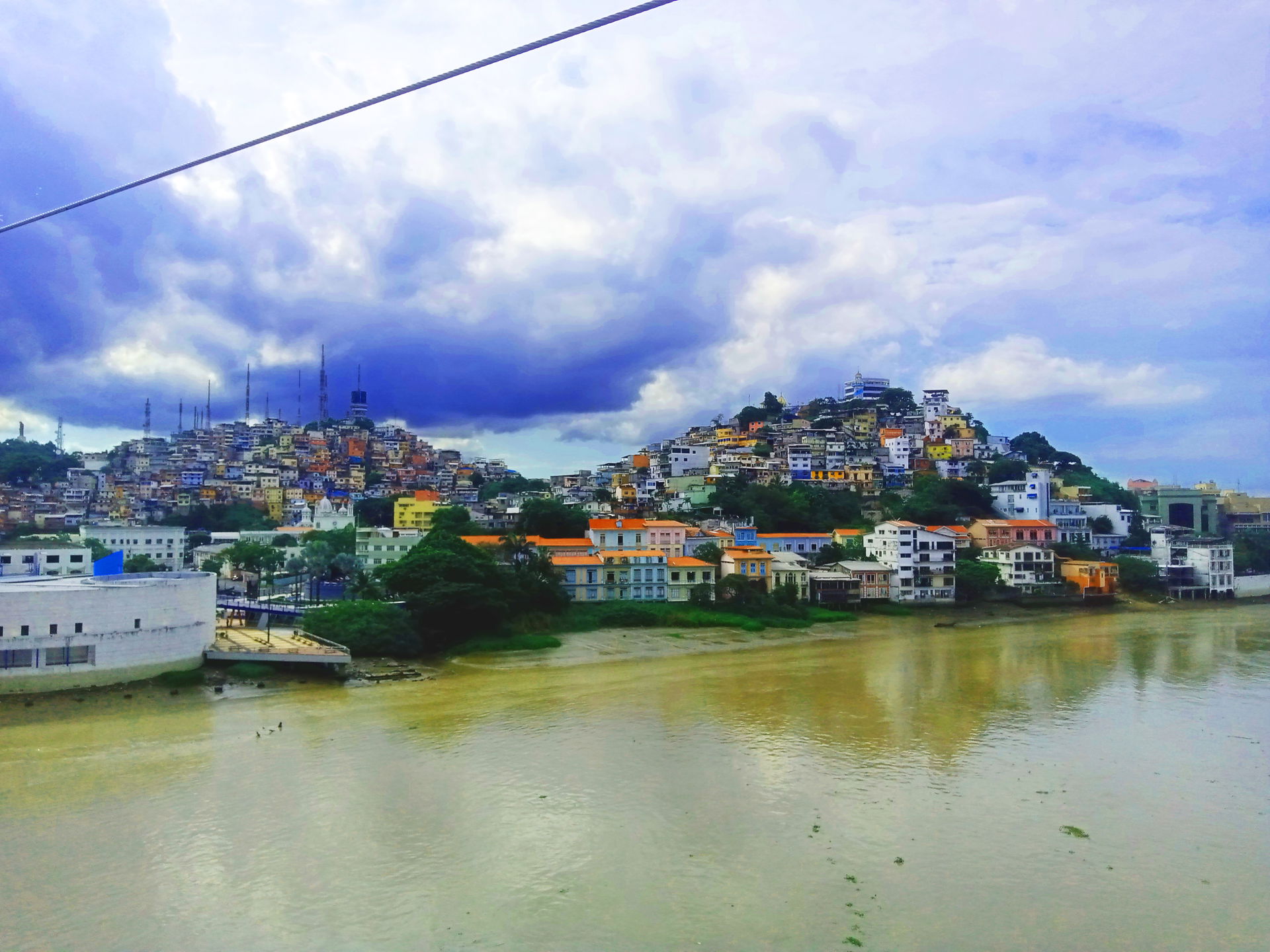
Guayaquil offers a compelling mix of tropical lifestyle and affordability that appeals to expats seeking a lower cost of living without sacrificing urban conveniences. As Ecuador's largest city and economic hub, it delivers solid healthcare facilities, functional public transport, and a growing international community—all at a fraction of what you'd pay in major North American or European cities.
The trade-off is straightforward: the city's equatorial heat and occasional security concerns in certain neighborhoods require realistic expectations and local awareness. That said, established expat areas provide reliable infrastructure and community support. If you're drawn to a warm climate, genuine cultural immersion, and stretching your budget further, Guayaquil rewards those willing to adapt to a less polished but genuinely vibrant environment.
Guayaquil has a warm, humid tropical climate with little temperature variation through the year. It is best classified as a tropical monsoon climate, with a pronounced wet season from January to May and a drier, brighter period from June to November. Travelers and residents should expect high humidity, frequent cloud cover in the wet season, and consistently warm conditions year-round.
Summer Average
28°C
Winter Average
25°C
Climate Type
Tropical Monsoon
Rainy Days
160
Sunny Days
120
Humidity
80%
Spring
September - November
24-29°C
Spring is warm and generally drier, with more sunshine and lower rainfall than the wet season. Humidity remains high, but conditions are usually more comfortable than earlier in the year.
Low rainfall
Summer
December - February
25-31°C
Summer is hot, very humid, and often the start of the rainy season. Rainfall increases sharply, with frequent showers and occasional thunderstorms.
Very High rainfall
Autumn
March - May
25-30°C
Autumn is typically the wettest part of the year in Guayaquil. Days stay warm to hot, with frequent rain and persistent cloudiness.
Very High rainfall
Winter
June - August
24-28°C
Winter is the driest and slightly less cloudy season, though it remains warm and humid. Rain is less frequent, and this period usually offers the most sunny days of the year.
Low rainfall
Loading Weather...
Air Quality
Guayaquil
Advantages
Guayaquil
Abundant parks and green spaces
Rich cultural heritage sites
Tropical coastal climate
Affordable cost of living
Strong educational institutions
Diverse business opportunities
Disadvantages
Guayaquil
High crime and safety concerns
Traffic congestion severe
Limited coworking infrastructure
Inconsistent public services
Heat and humidity intense
Safety & Security in Guayaquil
Overall Safety Score
Includes resilience and environmental factors
Moderate
41
/100
Ecuador Avg
54
South America Avg
54
Worldwide Avg
56
Crime & Safety Metrics
Thermometer compares Guayaquil to Ecuador averages using different marker styles.Compare:
Guayaquil
Ecuador Average
Safety Index
0510
Critical
Safety from Crime
0510
Dangerous
Safe Alone (Day)
0510
Low
Safe Alone (Night)
0510
Critical
Safety from Violent Crime
0510
Dangerous
Safety from Property Crime
0510
Dangerous
Environmental & Natural Hazard Risks
Resilience Score: 80/100
No data for Guayaquil — showing hazard indicators from nearby Milagro (~33 km).