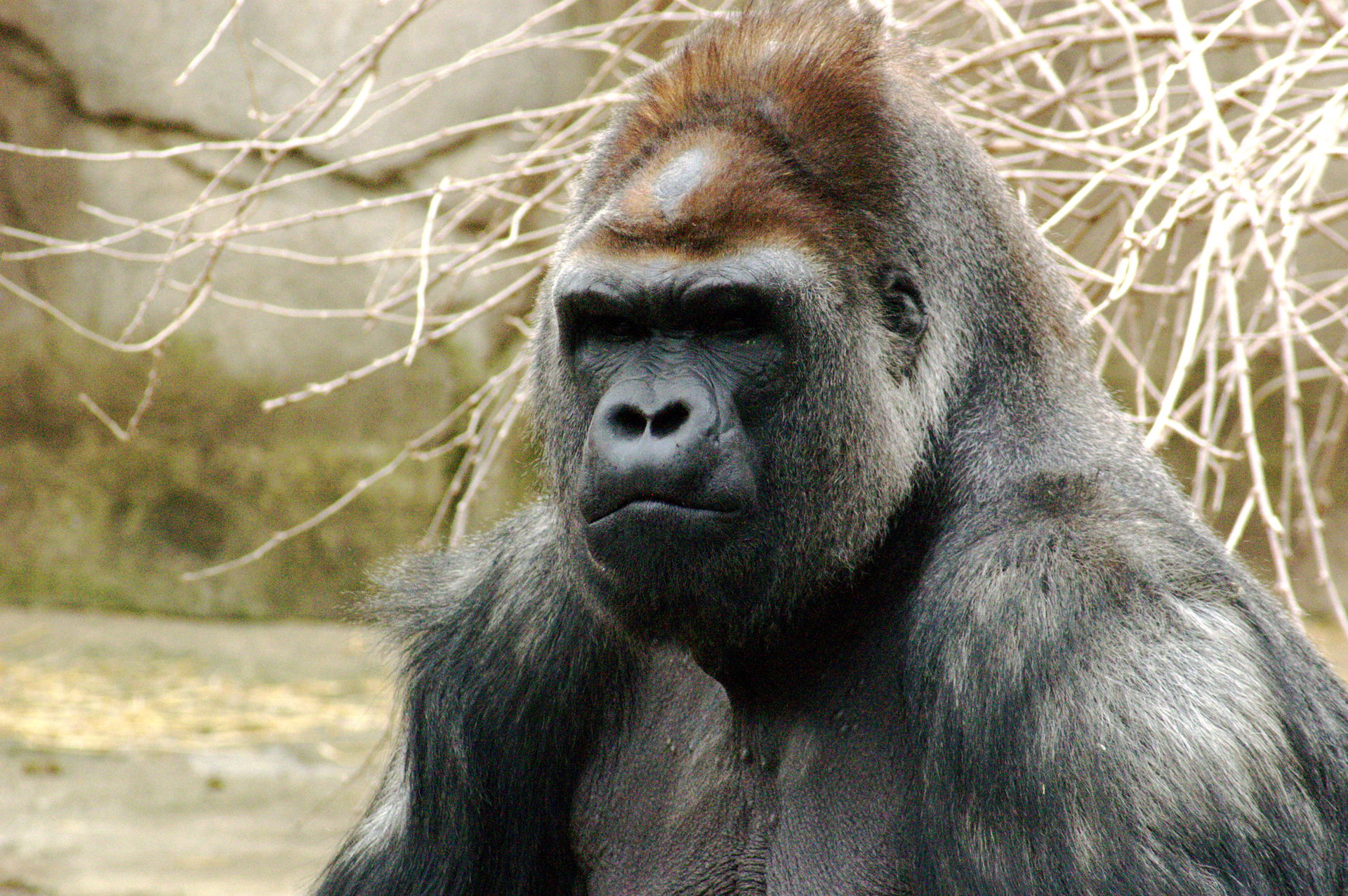
Teodoro Obiang Nguema Mbasogo during a meeting with Lula da Sil…
Yellow-billed Turacos Tauraco macrorhynchus on Bioko Island in …
I have taken this from the air when flying over the city of Mal…
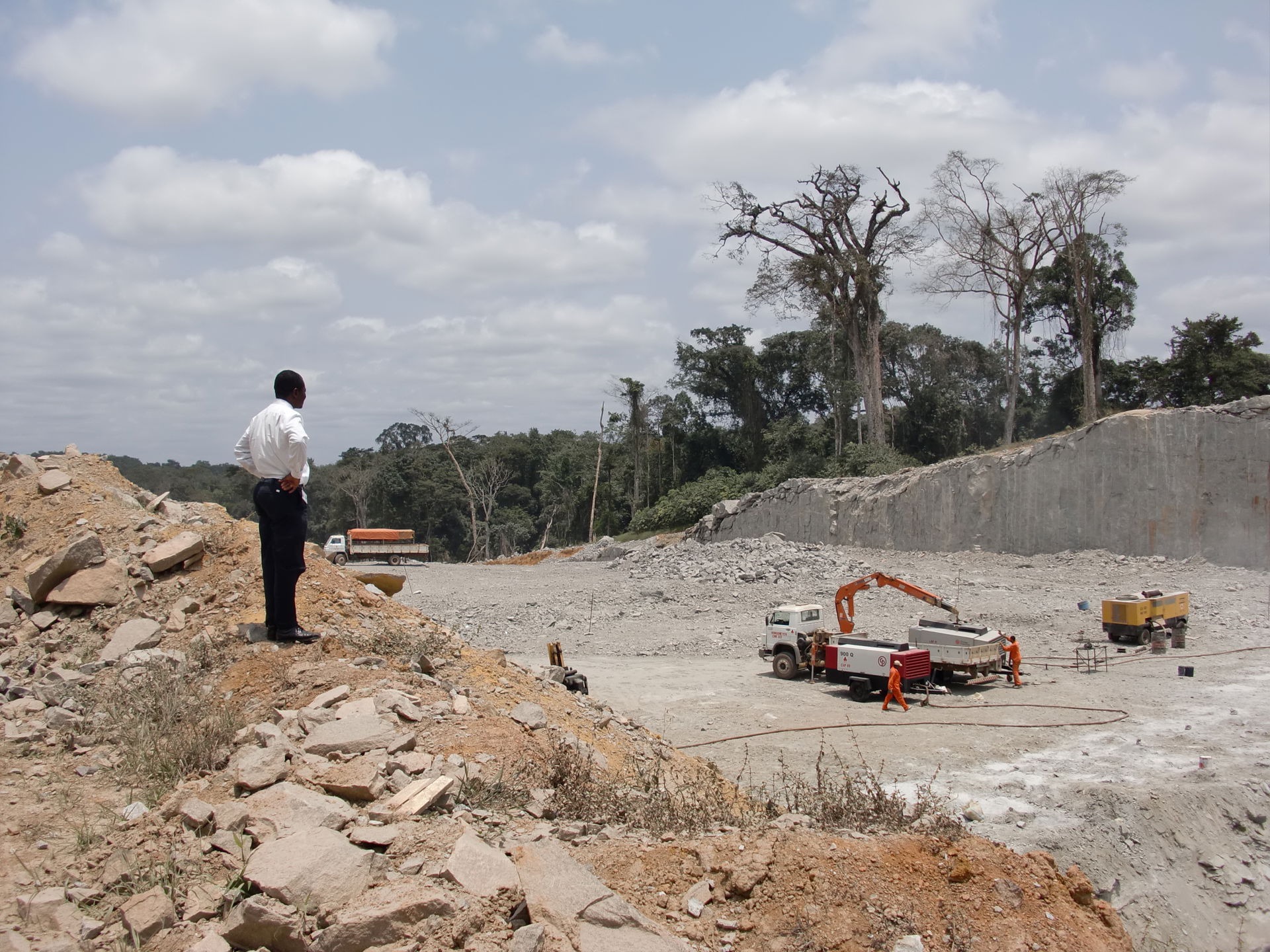
Highway construction site in Oyala, Equatorial Guinea
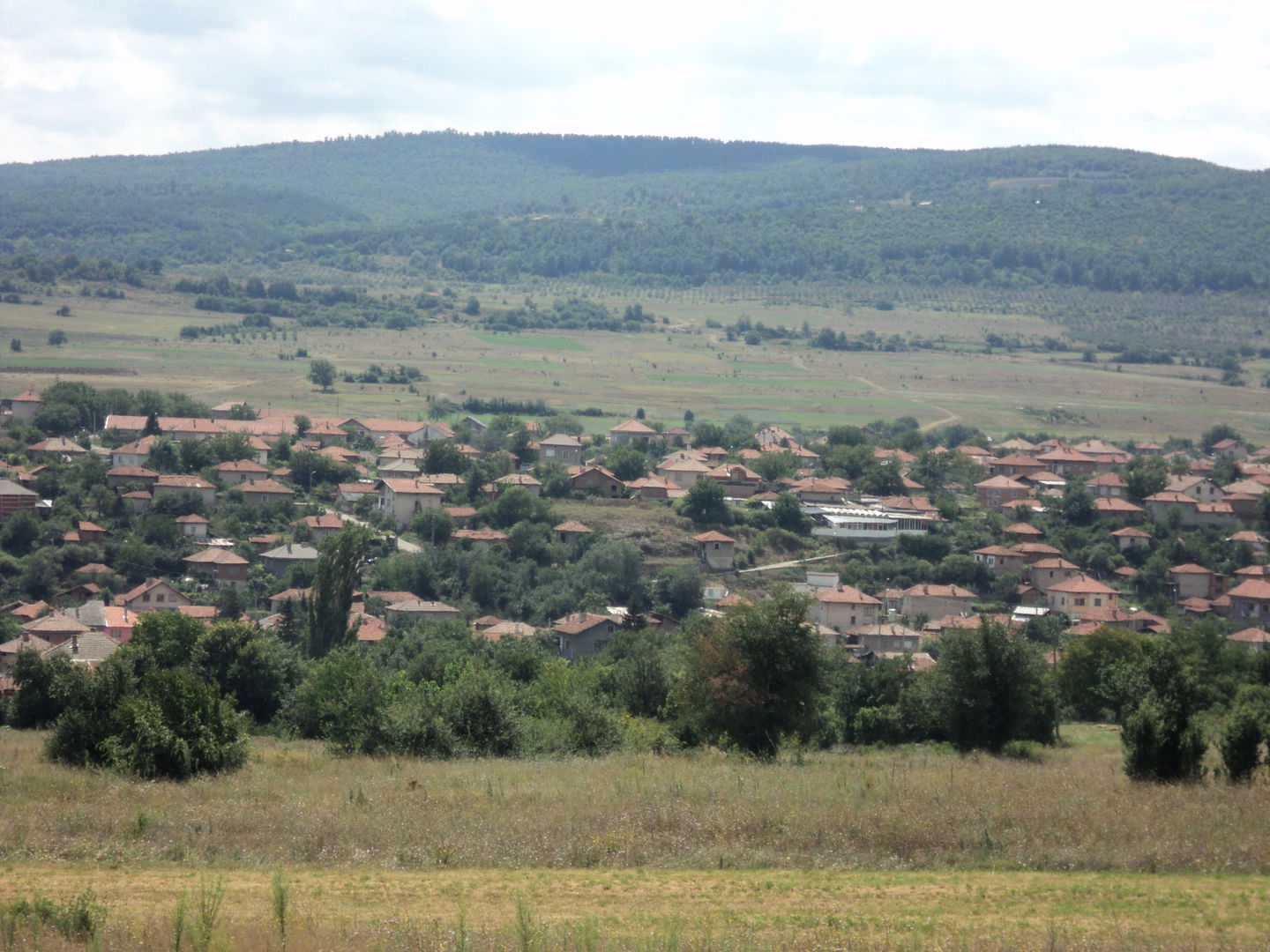
Equatorial Guinea view 5
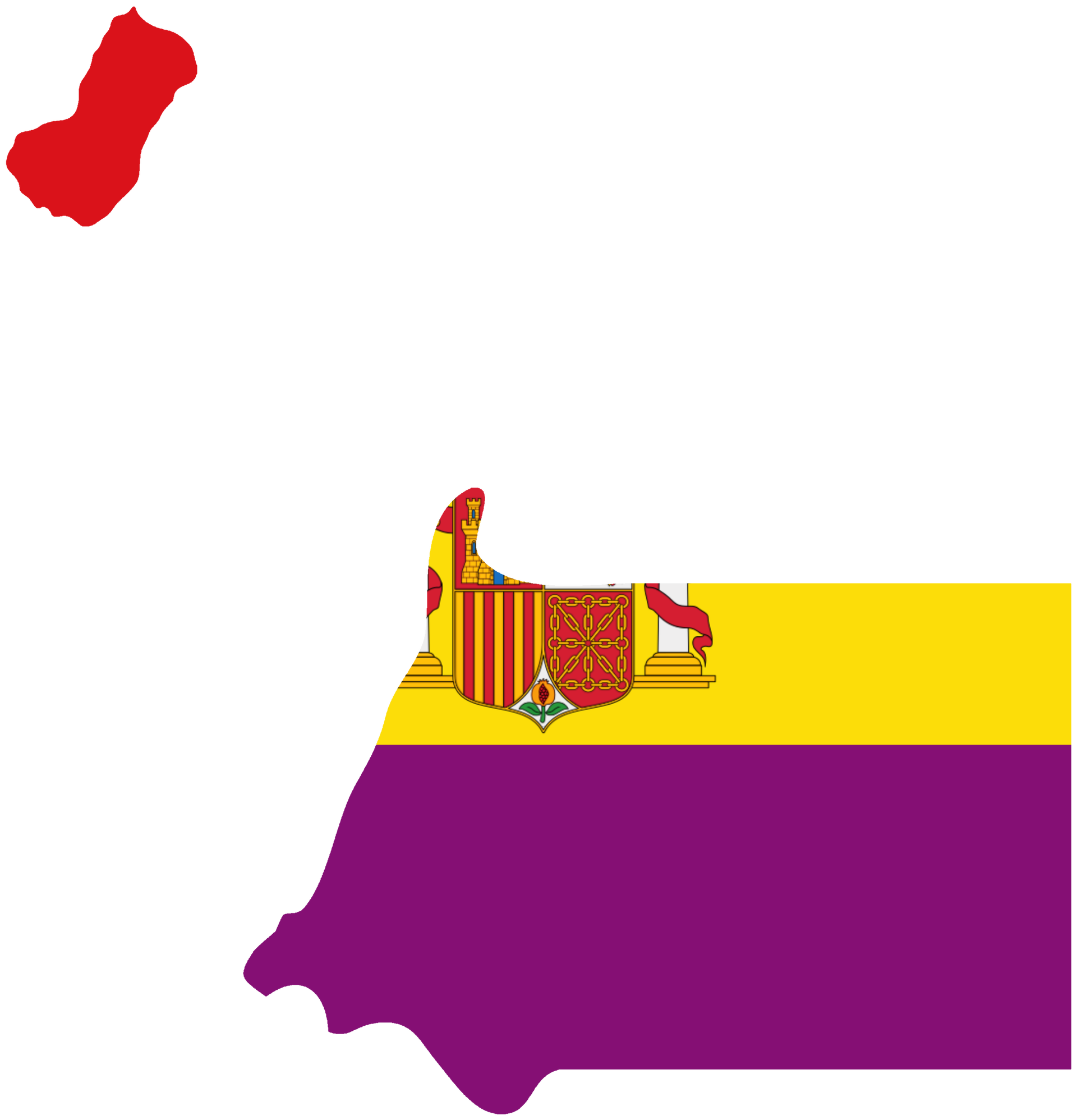
Modern day Equatorial Guinea became a Spanish colony in 1778 an…
UN MemberVisa requiredPop. 1.4M
NestFainder ScoreAI
0/ 100

Review carefully

Quality of life index out of 100
BCost
BSafety
A−Climate
CHDI
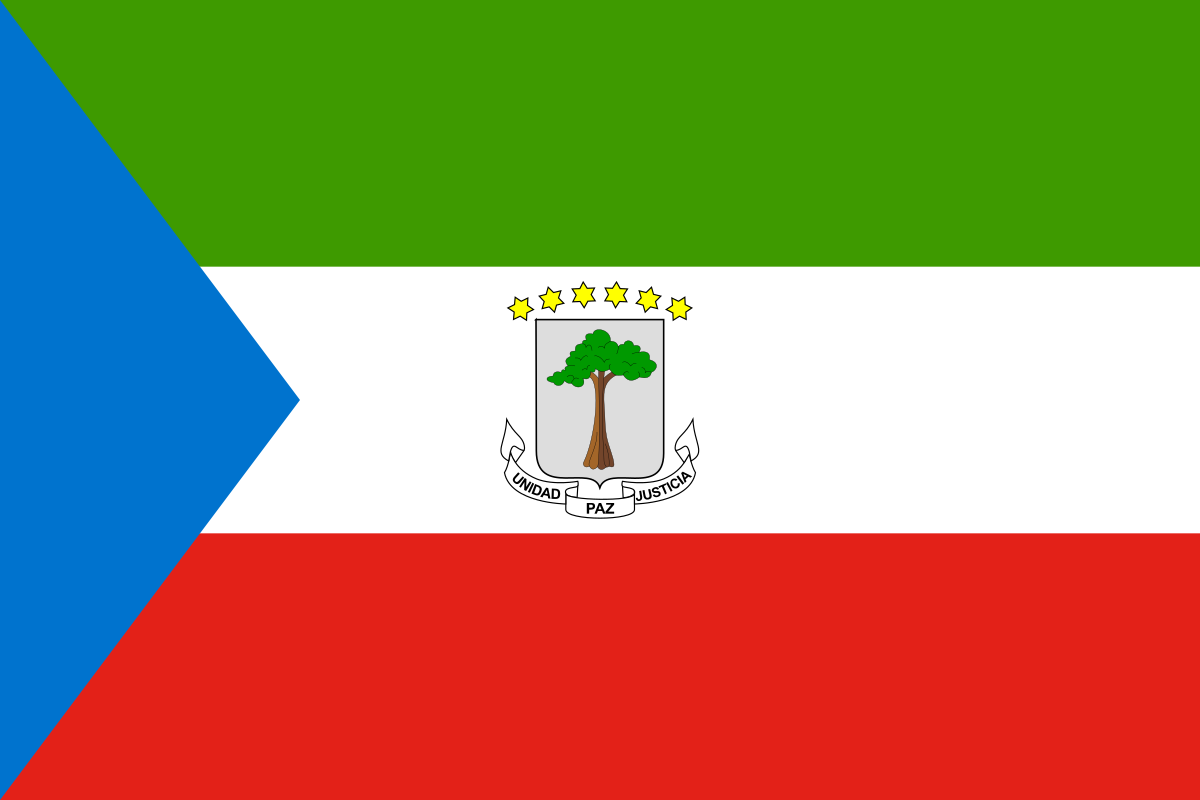
Equatorial Guinea flag

Equatorial Guinea

Atlantic Ocean · French

Equatorial Guinea

Equatorial Guinea is a small, oil-rich nation located on the west coast of Central Africa, comprising a mainland region (Río Muni) and several islands including Bioko, where the capital city Malabo…

CLIMATE
Atlantic Ocean
29°C avg · 2000h sun/yr
CURRENCY
XAF
LANGUAGE
French
SAFETY
Moderate
#1 globally · Safety index 51/100
COST OF LIVING
Moderate
Cost index 54/100
TIME ZONE
GMT+1
UTC+1 · 1h ahead

What it's like to live in Equatorial Guinea· AI overview

Equatorial Guinea is a small, oil-rich nation located on the west coast of Central Africa, comprising a mainland region (Río Muni) and several islands including Bioko, where the capital city Malabo is situated. Despite its modest size, the country ha...

Cost of living
vs EU Average14% higher than EU average
1-bed apartment, city
XAF225,000Apartment (1 bedroom) in City…
Dinner for two
XAF8,000Meal, Inexpensive Restaurant
Monthly groceries
XAF1,500Milk (regular), (1 liter)
Public transit (month)
XAF1,000One-way Ticket (Local Transpo…
Read the full cost-of-living guide
★ Professional

Your Equatorial Guinea Roadmap

40+ page personal relocation analysis — visa path, tax strategy, neighbourhood guide, healthcare setup and more.

€29one-time report
  • Visa & residency path
  • Tax optimisation
  • Neighbourhood guide
  • Healthcare & schools
  • Cost breakdown

With a safety index of 51/100, Equatorial Guinea offers moderate safety conditions for expats and their families.

Entry Requirements & Visa Options

Equatorial Guinea requires all international travelers, including citizens of the United States, United Kingdom, Canada, and Australia, to obtain an eVisa prior to arrival for tourism, business, or short-term visits. There is no visa-free entry or visa-on-arrival option available, and applications must be submitted online through the official Equatorial Guinea eVisa portal (equatorialguinea-evisa.com) or authorized services like VisaHQ.[1][4][9] Required documents include a passport valid for at least 6 months from entry with 2 blank pages, a recent passport photo, proof...

Visa-free entry: 6 months
Digital Nomad Visa available
Work permits available
Investment visa from .
Read full guide

Equatorial Guinea shows a purchasing power index of 50/100, indicating moderate economic conditions for expats.

Economic OverviewEquatorial Guinea

GDP

$12.27B

HDI

0.6

Quality of Life

N/A

NYC baseline: 43

Purchasing Power

21/100

-21 vs NYC

Understanding the economic landscape is essential for evaluating living costs and opportunities in Equatorial Guinea. This comprehensive overview covers key financial indicators including cost of living, housing markets, income levels, and fiscal policies that shape daily life and long-term financial planning.

Comparison data legendCompare:
Equatorial Guinea
Continent Avg

Cost of Living Index

0510
Moderate

Moderate costs (CPI: 58.8). Groceries (60.1), restaurants (55.3), and rent (7.0) are relatively affordable compared to NYC (100 baseline).

Housing Market

0510
Excellent

Very affordable housing market with property price to income ratio of 4.6 years. Low rent index (7.0) supports accessibility for residents.

Average Income Levels

0510
Very Poor

Low purchasing power index of 45.5 limits buying capacity despite oil-driven GDP. Household purchasing power declined 4.5% from 2020-2023 amid rising food prices.

Tax System

0510
Poor

High total tax rate at 79.4% of commercial profits burdens businesses. Personal income tax up to 35%, sales tax/VAT 13-15%, with limited clarity and high corruption risks.

Business Environment

0510
Very Poor

Challenging environment due to cumbersome procedures, pervasive corruption, and heavy bureaucracy. No recent World Bank Doing Business rank; oil dependency hinders diversification.

Social Security

0510
Poor

Limited social safety net with inadequate healthcare, pensions, and unemployment benefits. Low HDI (0.596) reflects weak coverage; social spending needs protection amid recession.

Tax information is currently being researched.

Education SystemInternational schools, universities & curricula
Explore Guide

Climate

Equatorial Guinea features a humid equatorial climate characterized by consistently warm temperatures year-round, ranging from 23-27°C, with minimal seasonal variation. The country experiences two distinct wet seasons separated by drier periods, with coastal areas receiving significantly higher rainfall than inland regions.

Climate

Tropical Rainforest

Summer

25–32°C

Winter

21–27°C

Sunshine

2000+ hrs/yr

3 distinct climate regions — see full guide for details

Read full guide

Demographics in Equatorial Guinea

Population
1.4M
Life Expectancy: 57.7
Religions
Christianity (Catholic) 88%Christianity (Protestant) 5%Islam 2%

Ethnic Composition

Fang
85.7%
Bubi
6.5%
Ndowe
3.6%
Annobon
1.6%
Bujeba
1.1%

Long-term Expat Guide in Equatorial Guinea

Visa & ResidencyLong-term pathways explained
Tax ObligationsResidency & income tax basics
Healthcare AccessPublic & private options
Read full guide

Economic overview

Moderate costs (CPI: 58. Very affordable housing market with property price to income ratio of 4. Low purchasing power index of 45.

Economy detail

Purchasing power

Low purchasing power index of 45. Moderate costs (CPI: 58.

Compare purchasing power

Work & Business

  • Employment rate: 20.0%
  • Startup ecosystem: 2.5/10
  • Business registration: 5 business days
  • Top industries: Oil & Gas, Agriculture, Fisheries, Tourism, Infrastructure
  • No specific remote work law; governed by general labor code. Cross-border remote work requires wo…
Work & business guide →

Healthcare in Equatorial Guinea

Public HealthcareAvailable to residents
Private InsuranceWide range of providers
Quality RatingSee guide for details
Read full guide

Retirement & benefits

★ Premium
Retirement index
Natixis
Min. income requirement
€●,●●●
🔒 Locked
Gov healthcare
From residency
Unlock Premium

Transportation

N/A - No metro system
Monthly transit pass
C
Airport connectivity
F
Internet speed
N/A - Informal pricing for bush taxis and minibuses
Single bus/metro trip

Equatorial Guinea's transportation and infrastructure landscape is undergoing significant transformation through its Horizon 2020 strategic development plan. The country has invested heavily in modernizing its road network, with approximately 80% of national roads now paved, facilitating improved connectivity across the nation. Transportation options include bush taxis, minibuses, and ferry services connecting major cities like Malabo and Bata, while international air connectivity is provided through Malabo International Airport.

Transportation guide

Legal & Administrative in Equatorial Guinea

Residency OptionsMultiple pathways available
Property OwnershipForeign buyers welcome
Legal SystemSee full guide
Read full guide

Social Integration

D
Cultural integration
F
Expat community
F
Professional networking
F
Social activities

Equatorial Guinea has limited publicly available information about social integration for expats and newcomers. The country's small expat community is primarily concentrated in the capital region, with integration challenges stemming from language barriers, limited organized expat networks, and restricted access to community information online.

Social integration guide

Environment & Sustainability

56%
Forest coverage
C
Sustainability
High
Natural disaster risk
B
Air quality

Equatorial Guinea faces significant climate change challenges with projected temperature increases of 1.5-2.8°C by 2050, coupled with environmental degradation from deforestation and oil extraction. The country's large forest coverage (56% of land area) provides carbon sequestration benefits, but rapid urbanization and resource exploitation threaten ecosystems and increase vulnerability to flooding, landslides, and water resource uncertainty.

Environment guide

Environment & Sustainability in Equatorial Guinea

Air QualitySee detailed assessment
Green SpacesParks & nature areas
SustainabilityEnvironmental policies
Read full guide
Political Landscape & Stability

Equatorial Guinea operates as a presidential republic under an authoritarian regime led by President Teodoro Obiang Nguema Mbasogo since 1979. The ruling Democratic Party of Equatorial Guinea dominates all branches of government, with no effective opposition following the 2022 elections. Human rights concerns persist, including restrictions on press freedom and political dissent.

System
Presidential Republic
Legal System
Mixed legal system of civil and customary law
Read full guide

Ready to stop
browsing and start moving?

Generate a personalized relocation roadmap — visa path, 3 shortlisted cities, tax & timeline.

Build my roadmap

Data Source: Safety, crime, and quality metrics are sourced from Numbeo, a crowd-sourced global database of reported data.

All scores are relative comparisons on a 0-100 scale, where 50 = global average. Higher scores mean better than average, lower scores mean worse than average.