This content was generated using artificial intelligence based on publicly available information. It is provided for general informational purposes only and does not constitute legal, tax, immigration, or professional advice. Information may be incomplete or outdated. Always verify with official sources before making decisions.
Data Source: Safety, crime, and quality metrics are sourced from Numbeo, a crowd-sourced global database of reported data.
All scores are relative comparisons on a 0-100 scale, where 50 = global average. Higher scores mean better than average, lower scores mean worse than average.
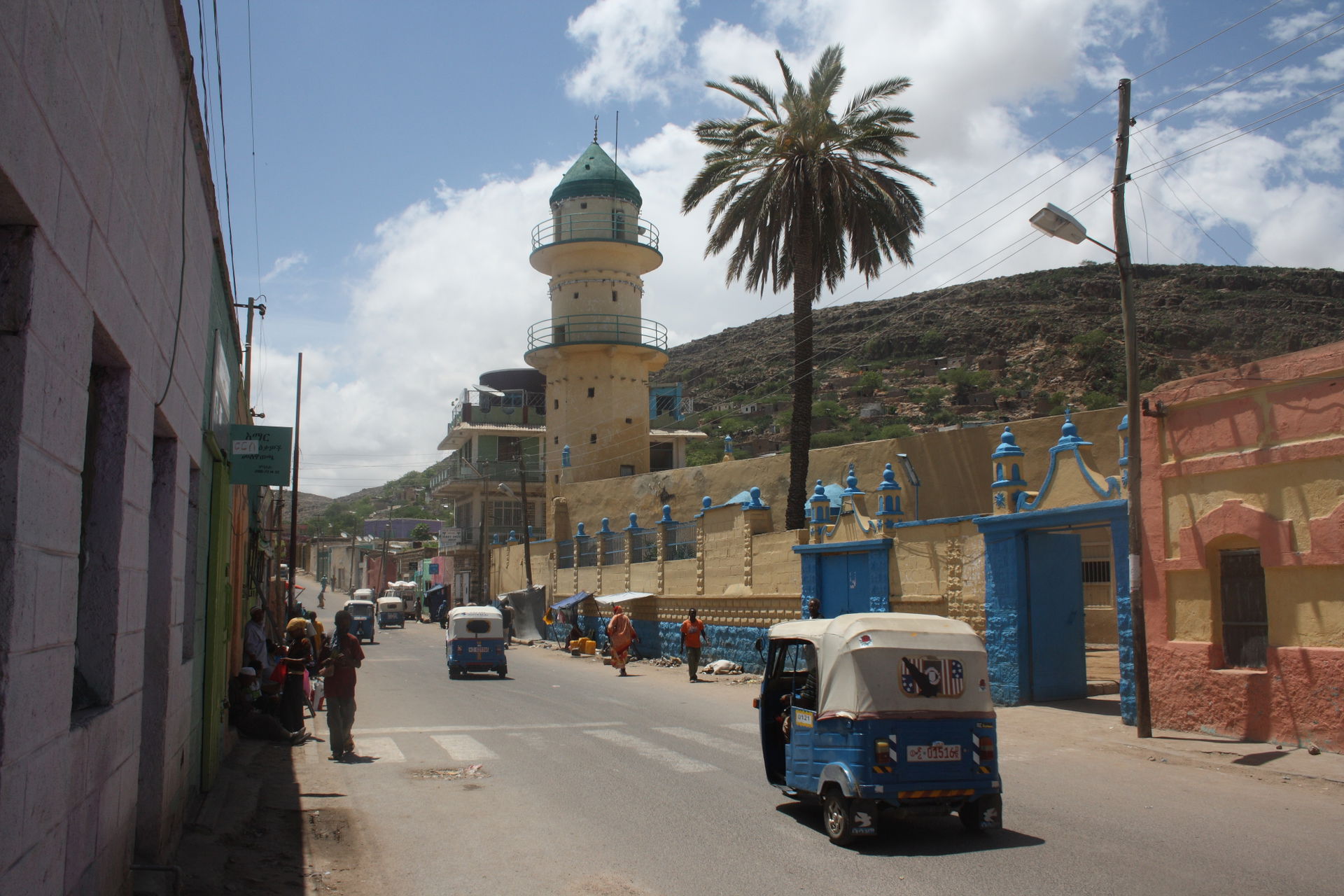
Dire Dawa offers a distinct, slower-paced alternative to the frantic energy of Addis Ababa, making it an intriguing choice for professionals seeking a more laid-back, culturally rich environment. The city’s charm lies in its unique architectural heritage and a lifestyle that feels more grounded and manageable. You’ll find a reliable baseline for essential services, including decent healthcare and functional public transport, which simplifies daily logistics.
However, the expat community remains small and informal, meaning you won't find the established social infrastructure or high-end amenities common in larger hubs. While the cost of living is highly favorable, relocating here requires a mindset geared toward self-sufficiency and an appreciation for a more rugged, unpolished urban experience.
Population
252,279
Area
1,055 km²
Density
239 per km²
Founded
-
Language
Amharic
Distance to Coast
228 km
Districts & Neighborhoods in Dire Dawa
Loading districts…
Climate & Weather in Dire Dawa
Dire Dawa has a hot semi-arid climate (Köppen BSh) with a bimodal rainfall pattern and consistently warm temperatures throughout the year. Summers are very hot, while winters are still mild to warm, and most rainfall arrives in two main seasons, especially from March to April and July to August.
Summer Average
32°C
Winter Average
24°C
Climate Type
Hot Semi-Arid
Rainy Days
65
Sunny Days
285
Humidity
50%
Spring
March - May
25-33°C
Spring is hot and becomes progressively warmer, with the first rainy season typically occurring in March and April. Conditions are often partly cloudy to cloudy during rain events, while May is usually much drier and sunnier.
Moderate rainfall
Summer
June - August
28-34°C
Summer is the hottest period of the year and also brings the main rainy season, especially in July and August. Rainfall is still limited overall, but it is the wettest part of the year and humidity rises compared with the dry season.
Moderate rainfall
Autumn
September - November
24-31°C
Autumn is warm to hot and transitions back into the dry season after the summer rains. Skies become clearer and rainfall decreases sharply through October and November.
Low rainfall
Winter
December - February
21-29°C
Winter is the coolest and driest season, though it remains warm by global standards. Days are typically sunny, with low rainfall and comfortable evenings relative to the rest of the year.
Very Low rainfall
Loading Weather...
Air Quality
Dire Dawa
Advantages
Dire Dawa
Strategic trade hub location
Affordable cost of living
Growing business opportunities
Cultural diversity and tolerance
Gateway to Eastern Ethiopia
Disadvantages
Dire Dawa
Limited higher education options
Few coworking spaces available
Minimal nightlife entertainment
Basic infrastructure development
Limited job opportunities
Safety & Security in Dire Dawa
Overall Safety Score
Includes resilience and environmental factors
Moderate
55
/100
Ethiopia Avg
54
Africa Avg
54
Worldwide Avg
56
Crime & Safety Metrics
Thermometer compares Dire Dawa to Ethiopia averages using different marker styles.Compare:
Dire Dawa
Ethiopia Average
No city-specific data available — showing Ethiopia country averages instead.
Safety Index
0510
Low
Safety from Crime
0510
Concerning
Safe Alone (Day)
0510
Good
Safe Alone (Night)
0510
Low
Safety from Violent Crime
0510
Moderate
Safety from Property Crime
0510
Concerning
Environmental & Natural Hazard Risks
Resilience Score: 84/100
No data for Dire Dawa — showing hazard indicators from nearby Harar (~42 km).