This content was generated using artificial intelligence based on publicly available information. It is provided for general informational purposes only and does not constitute legal, tax, immigration, or professional advice. Information may be incomplete or outdated. Always verify with official sources before making decisions.
Data Source: Safety, crime, and quality metrics are sourced from Numbeo, a crowd-sourced global database of reported data.
All scores are relative comparisons on a 0-100 scale, where 50 = global average. Higher scores mean better than average, lower scores mean worse than average.
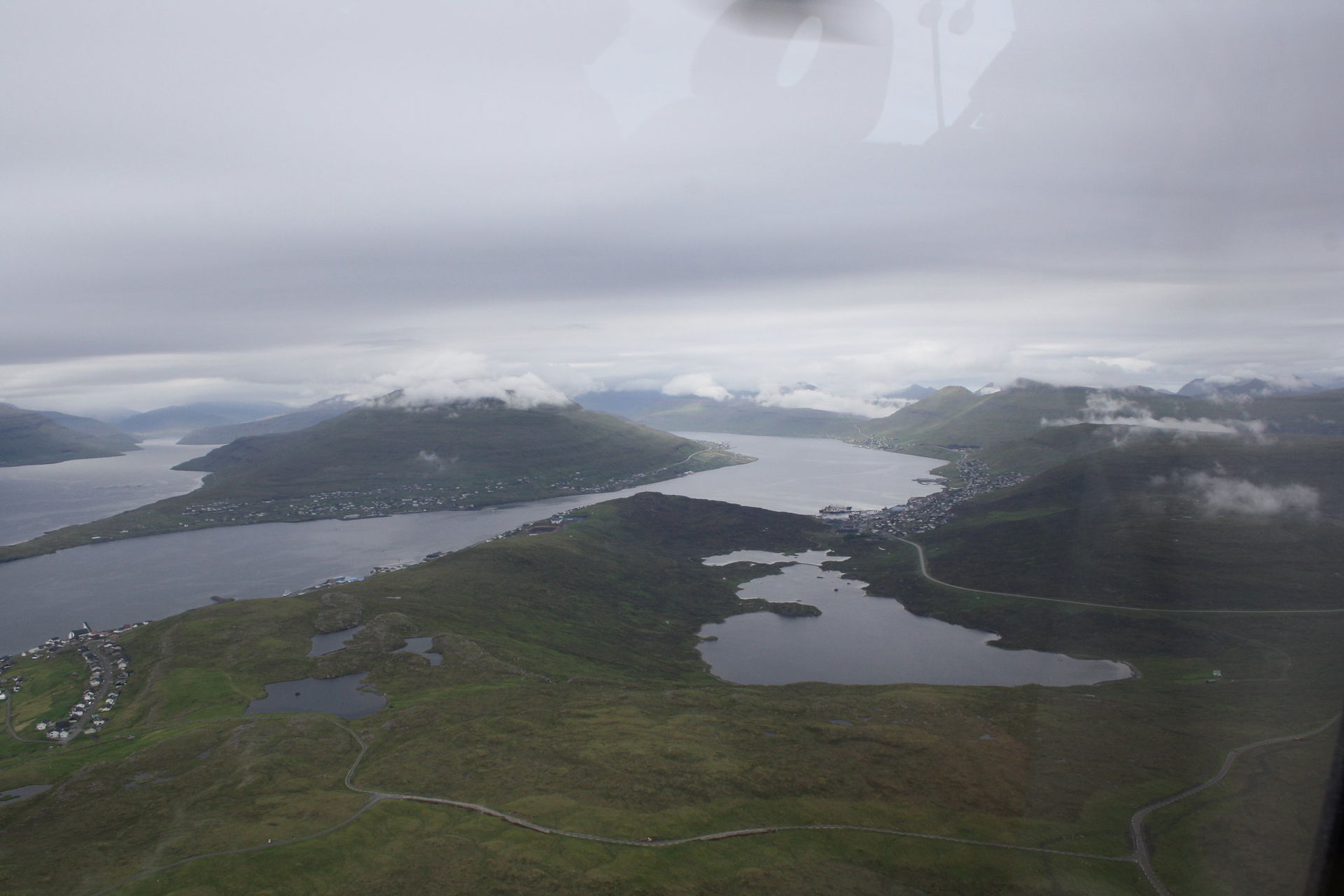
Glyvrar offers a profound sense of stillness, making it ideal for those seeking a life defined by dramatic landscapes and a slow, intentional pace. It is a place for the professional who prioritizes mental clarity and a tight-knit community over urban stimulation. Life here is quiet and deeply connected to nature, providing a level of peace that is increasingly rare in global hubs.
While you will benefit from reliable healthcare and a high standard of safety, the trade-off is a lack of anonymity and limited infrastructure. With a tiny population, you must be comfortable with a small-scale social fabric and the logistical reality of a remote setting where public transport and specialized services require more planning than in a major city.
Glyvrar has a **subpolar oceanic** climate (Köppen Cfc), with cool summers, mild winters, frequent cloud cover, and year-round precipitation. The climate is strongly maritime, so temperatures stay relatively narrow through the year, and conditions are often windy, wet, and humid, consistent with Faroe Islands climate patterns.
Summer Average
11°C
Winter Average
4°C
Climate Type
Subpolar Oceanic
Rainy Days
220
Sunny Days
90
Humidity
87%
Spring
March - May
4-8°C
Spring is cool, cloudy, and often breezy, with frequent showers and gradual warming. Conditions remain changeable, but daylight increases noticeably through the season.
High rainfall
Summer
June - August
10-12°C
Summer is cool rather than warm, with average temperatures typically around 10–12°C. Sunshine is limited and overcast conditions are common, though this is usually the mildest and most settled period of the year.
Moderate rainfall
Autumn
September - November
7-10°C
Autumn turns wetter and windier, with more frequent rain and stronger Atlantic storms. Temperatures cool gradually, but the maritime influence prevents abrupt cold spells.
Very High rainfall
Winter
December - February
3-5°C
Winter is cold but usually not severe, with temperatures typically a few degrees above freezing. Rain, drizzle, low cloud, and strong winds are common, while snowfall is possible but usually limited.
High rainfall
Loading Weather...
Air Quality
Glyvrar
Advantages
Glyvrar
Stunning natural landscapes
Tight-knit community
Rich cultural heritage
Peaceful island living
Outdoor recreation access
Disadvantages
Glyvrar
No universities nearby
Limited job opportunities
Extreme weather isolation
Very small community
High cost of living
Safety & Security in Glyvrar
Overall Safety Score
Includes resilience and environmental factors
Moderate
53
/100
Faroe Islands Avg
55
Europe Avg
58
Worldwide Avg
56
Crime & Safety Metrics
Thermometer compares Glyvrar to Faroe Islands averages using different marker styles.Compare:
Glyvrar
Faroe Islands Average
No city-specific data available — showing Faroe Islands country averages instead.
Safety Index
0510
Good
Safety from Crime
0510
Safe
Safe Alone (Day)
0510
Excellent
Safe Alone (Night)
0510
Excellent
Safety from Violent Crime
0510
Safe
Safety from Property Crime
0510
Safe
Environmental & Natural Hazard Risks
Resilience Score: N/A
Data Currently Under Investigation
Environmental risk assessments are being researched. The indicators below show what data will be available soon.