This content was generated using artificial intelligence based on publicly available information. It is provided for general informational purposes only and does not constitute legal, tax, immigration, or professional advice. Information may be incomplete or outdated. Always verify with official sources before making decisions.
Data Source: Safety, crime, and quality metrics are sourced from Numbeo, a crowd-sourced global database of reported data.
All scores are relative comparisons on a 0-100 scale, where 50 = global average. Higher scores mean better than average, lower scores mean worse than average.
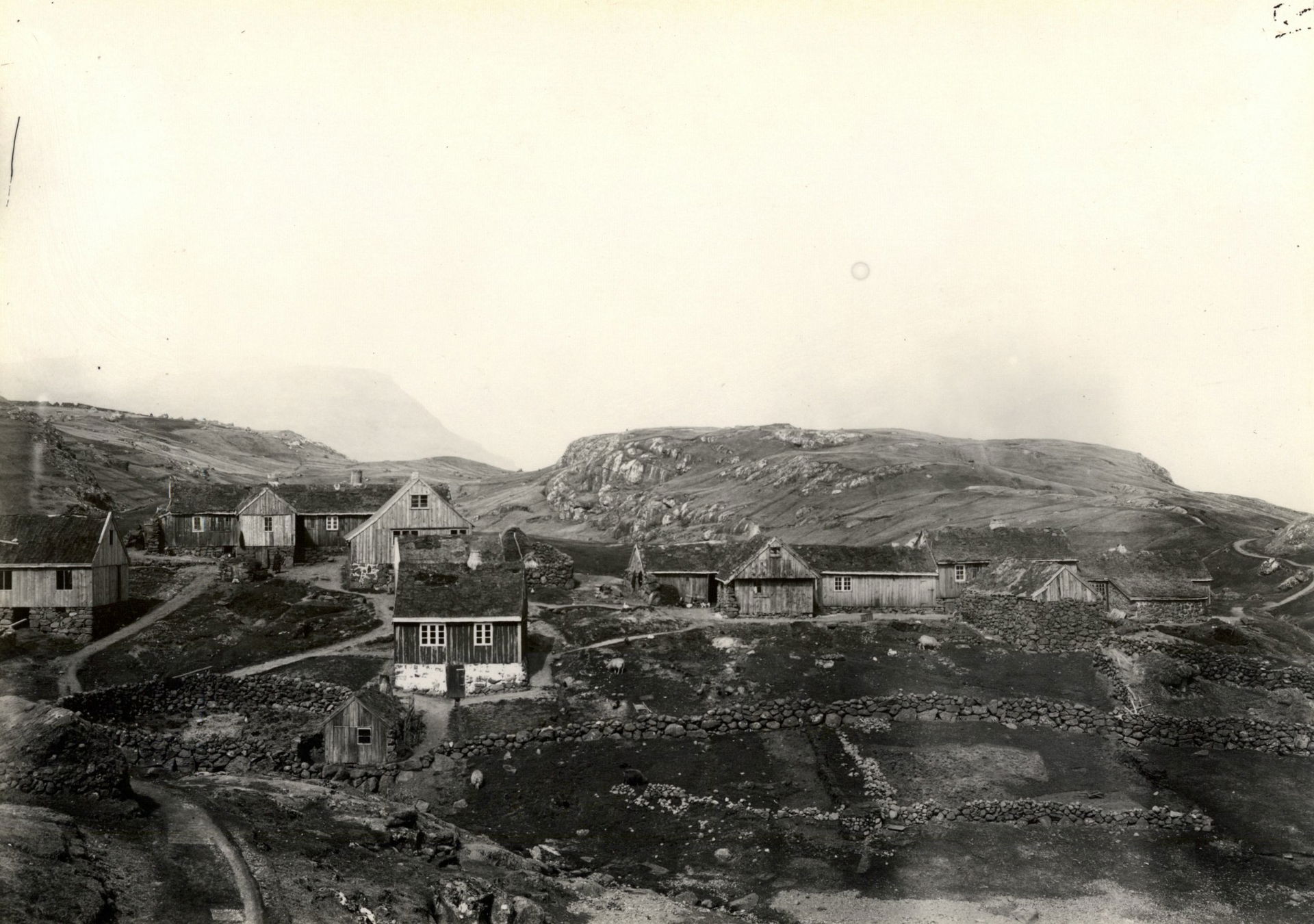
Hvítanes offers a profound sense of seclusion and connection to nature, making it an ideal sanctuary for those seeking a quiet, slow-paced life on the edge of the North Atlantic. For the remote professional or nature enthusiast, the village provides an unparalleled atmosphere of stillness and safety. You aren't just living in a village; you are integrating into a tight-knit community where the rhythm of the tides dictates the day.
However, relocation here requires a mindset shift toward self-sufficiency. While healthcare and transport links to Tórshavn are reliable, the tiny population means you must be comfortable with limited social diversity and a lack of immediate urban amenities. It is a place for those who prioritize peace over convenience.
Hvítanes has a subpolar oceanic climate (Köppen Cfc), with cool summers, mild winters, frequent cloud cover, and persistent wind. Long-term Faroe Islands climate normals show summer temperatures around 10–13°C, winter temperatures around 3–7°C, high humidity, and frequent precipitation, which fits Hvítanes closely as a low-lying coastal settlement near Tórshavn. The current weather conditions of light rain and very high humidity are also consistent with the area’s maritime climate.
Summer Average
11°C
Winter Average
4°C
Climate Type
Oceanic
Rainy Days
200
Sunny Days
70
Humidity
86%
Spring
March - May
4-8°C
Spring is cool, windy, and often changeable, with frequent overcast skies and passing rain showers. Temperatures rise slowly as the season progresses.
High rainfall
Summer
June - August
10-13°C
Summer is mild rather than warm, with the brightest weather of the year but still frequent showers and breezes. Warm spells are limited and temperatures usually remain close to the low teens.
Moderate rainfall
Autumn
September - November
6-10°C
Autumn turns cooler, wetter, and darker, with more frequent storms and sustained rainfall. Conditions can change quickly from calm to windy in a short period.
High rainfall
Winter
December - February
3-7°C
Winter is cool and damp rather than severely cold, with rain more common than snow at sea level. Frost and snow can occur, but long-lasting snow cover is uncommon in coastal areas.
High rainfall
Loading Weather...
Air Quality
Hvítanes
Loading advantages and disadvantages data, please wait
Advantages
Disadvantages
Safety & Security in Hvítanes
Overall Safety Score
Includes resilience and environmental factors
Moderate
53
/100
Faroe Islands Avg
55
Europe Avg
58
Worldwide Avg
56
Crime & Safety Metrics
Thermometer compares Hvítanes to Faroe Islands averages using different marker styles.Compare:
Hvítanes
Faroe Islands Average
No city-specific data available — showing Faroe Islands country averages instead.
Safety Index
0510
Good
Safety from Crime
0510
Safe
Safe Alone (Day)
0510
Excellent
Safe Alone (Night)
0510
Excellent
Safety from Violent Crime
0510
Safe
Safety from Property Crime
0510
Safe
Environmental & Natural Hazard Risks
Resilience Score: N/A
Data Currently Under Investigation
Environmental risk assessments are being researched. The indicators below show what data will be available soon.