Data Source: Safety, crime, and quality metrics are sourced from Numbeo, a crowd-sourced global database of reported data.
All scores are relative comparisons on a 0-100 scale, where 50 = global average. Higher scores mean better than average, lower scores mean worse than average.
Le Havre has a temperate oceanic climate characterized by mild temperatures year-round and precipitation distributed throughout the year. Located on the English Channel coast, the city experiences maritime influences with frequent winds and high humidity. Extreme temperatures are rare, with hot days and significant snowfall both uncommon.
Summer Average
18°C
Winter Average
6°C
Climate Type
Oceanic
Rainy Days
180
Sunny Days
1786
Humidity
81%
Spring
March - May
12-17°C
Spring brings noticeable warming with temperatures gradually increasing from 12°C in March to 17°C in May. Precipitation decreases compared to winter, with April being the driest month.
Moderate rainfall
Summer
June - August
16-19°C
Summer features mild temperatures peaking in August at around 19°C, with occasional thunderstorms averaging 2 days per month in June and July. Heat waves are rare, though temperatures can occasionally reach the low 30s°C.
Low rainfall
Autumn
September - November
13-18°C
Autumn sees increasing rainfall with maximum precipitation occurring in September through November. Temperatures gradually cool from 18°C in September to around 9°C by November.
High rainfall
Winter
December - February
5-9°C
Winter is cold and wet with temperatures averaging 5-9°C and frequent precipitation. Snowfall occurs occasionally, particularly in January and February, though significant accumulation is uncommon.
High rainfall
Loading Weather...
Air Quality
Le Havre
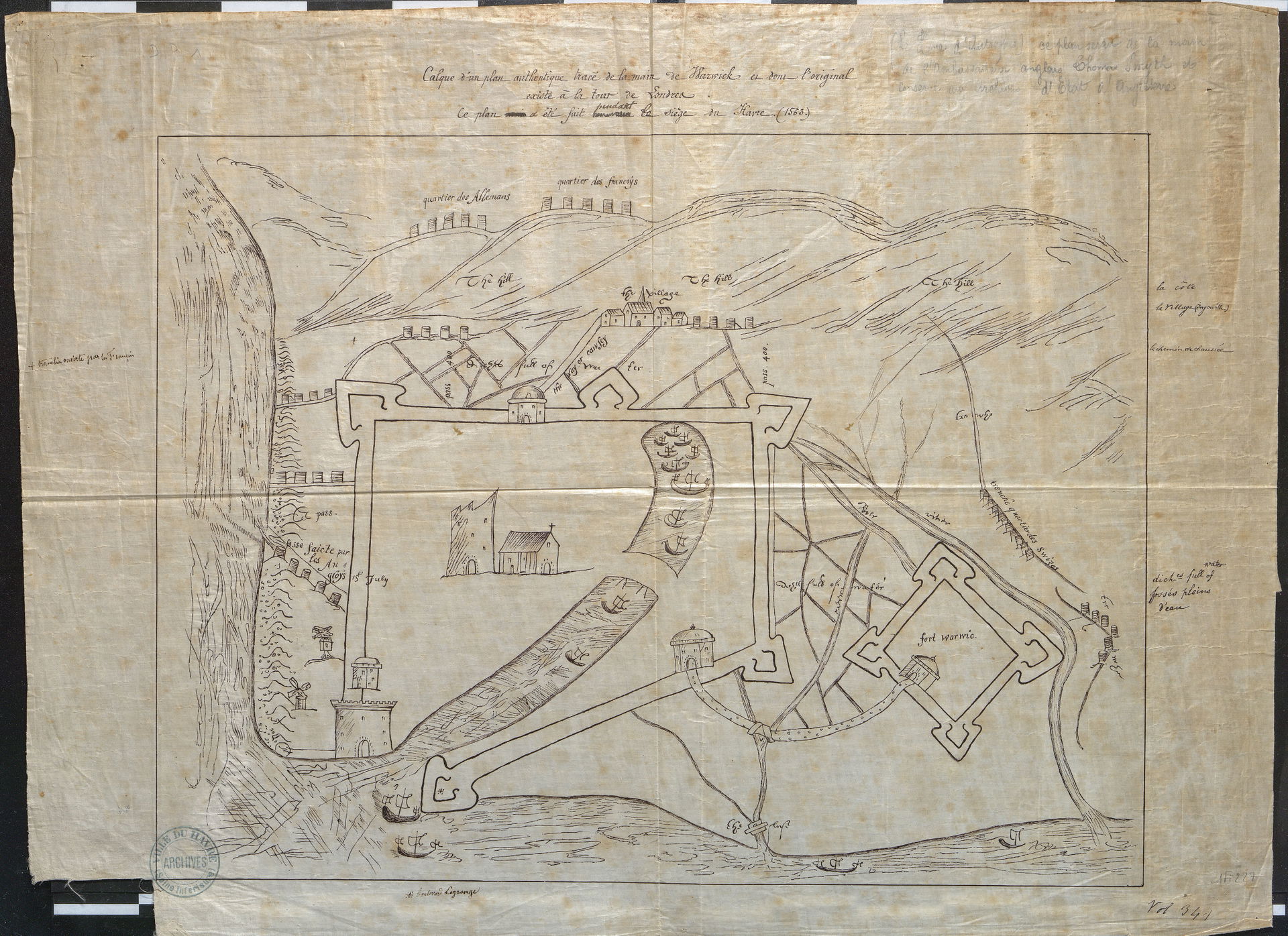
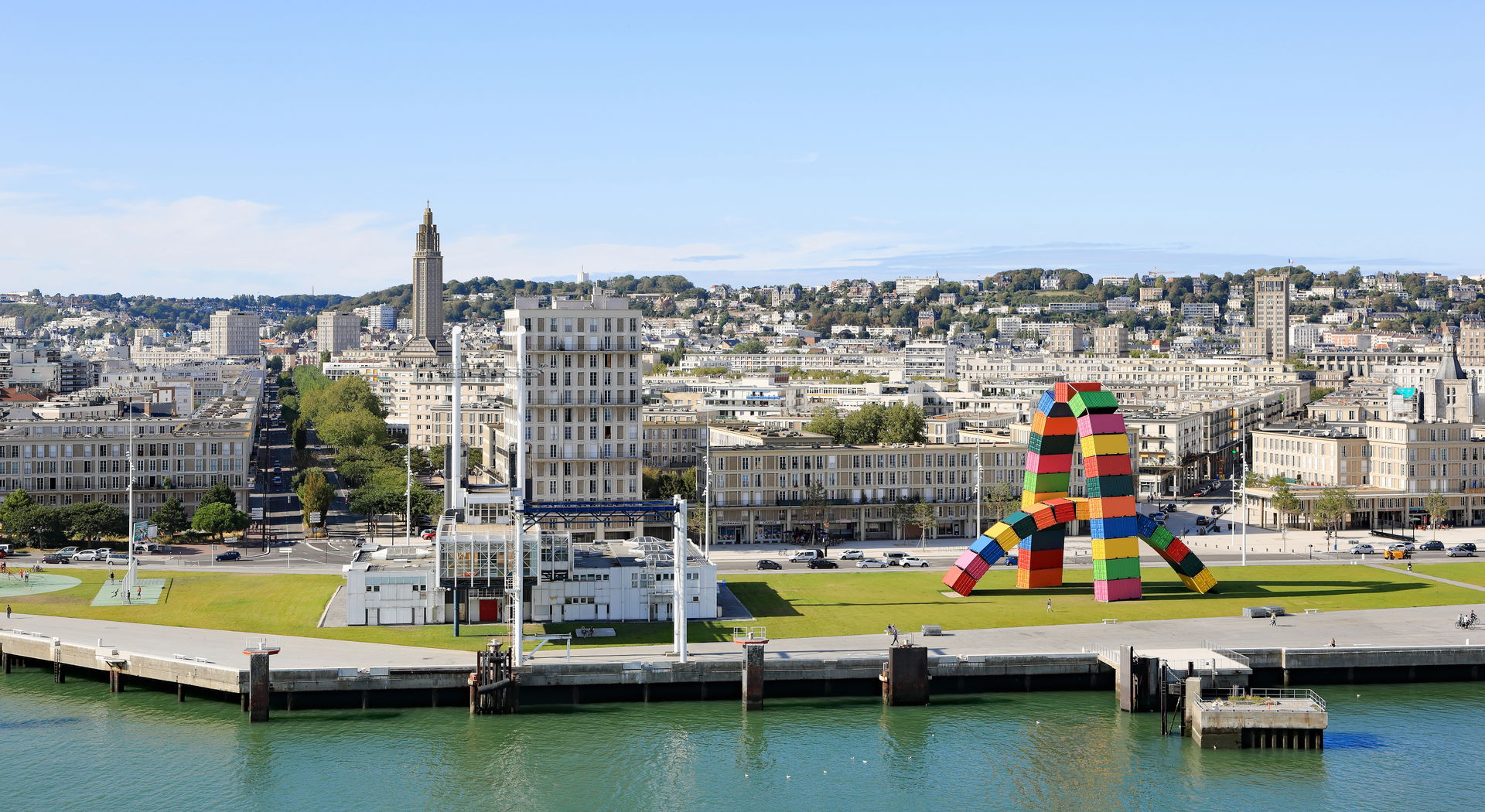
Le Havre offers a strategic gateway to French life with unexpected charm. As Normandy's primary port city, it provides an affordable alternative to Paris, featuring UNESCO-recognized post-war architecture and a surprisingly cosmopolitan atmosphere. The city balances industrial heritage with cultural renaissance, offering expats a unique blend of maritime history and modern urban living.
Practical considerations shine here: reasonable living costs, solid public transportation, and a moderate safety profile make Le Havre an attractive destination for professionals seeking a balanced French experience. With a growing international community and proximity to both Paris and the picturesque Normandy countryside, the city represents an intelligent choice for those wanting an authentic yet accessible European relocation.
Advantages
Le Havre
Stunning UNESCO World Heritage site
Major maritime industrial port
Beautiful coastal architecture
Rich modern art history
Strategic regional transportation hub
Disadvantages
Le Havre
Industrial pollution risks
Limited job market
Aging urban infrastructure
Minimal tech opportunities
Declining population trend
Safety & Security in Le Havre
Overall Safety Score
Includes resilience and environmental factors
Moderate
52
/100
France Avg
56
Europe Avg
59
Worldwide Avg
56
Crime & Safety Metrics
Thermometer compares Le Havre to France averages using different marker styles.Compare:
Le Havre
France Average
Safety Index
0510
Low
Safety from Crime
0510
Concerning
Safe Alone (Day)
0510
Moderate
Safe Alone (Night)
0510
Low
Safety from Violent Crime
0510
Concerning
Safety from Property Crime
0510
Concerning
Environmental & Natural Hazard Risks
Resilience Score: 79/100
No data for Le Havre — showing hazard indicators from nearby Brighton (~149 km).