This content was generated using artificial intelligence based on publicly available information. It is provided for general informational purposes only and does not constitute legal, tax, immigration, or professional advice. Information may be incomplete or outdated. Always verify with official sources before making decisions.
Data Source: Safety, crime, and quality metrics are sourced from Numbeo, a crowd-sourced global database of reported data.
All scores are relative comparisons on a 0-100 scale, where 50 = global average. Higher scores mean better than average, lower scores mean worse than average.
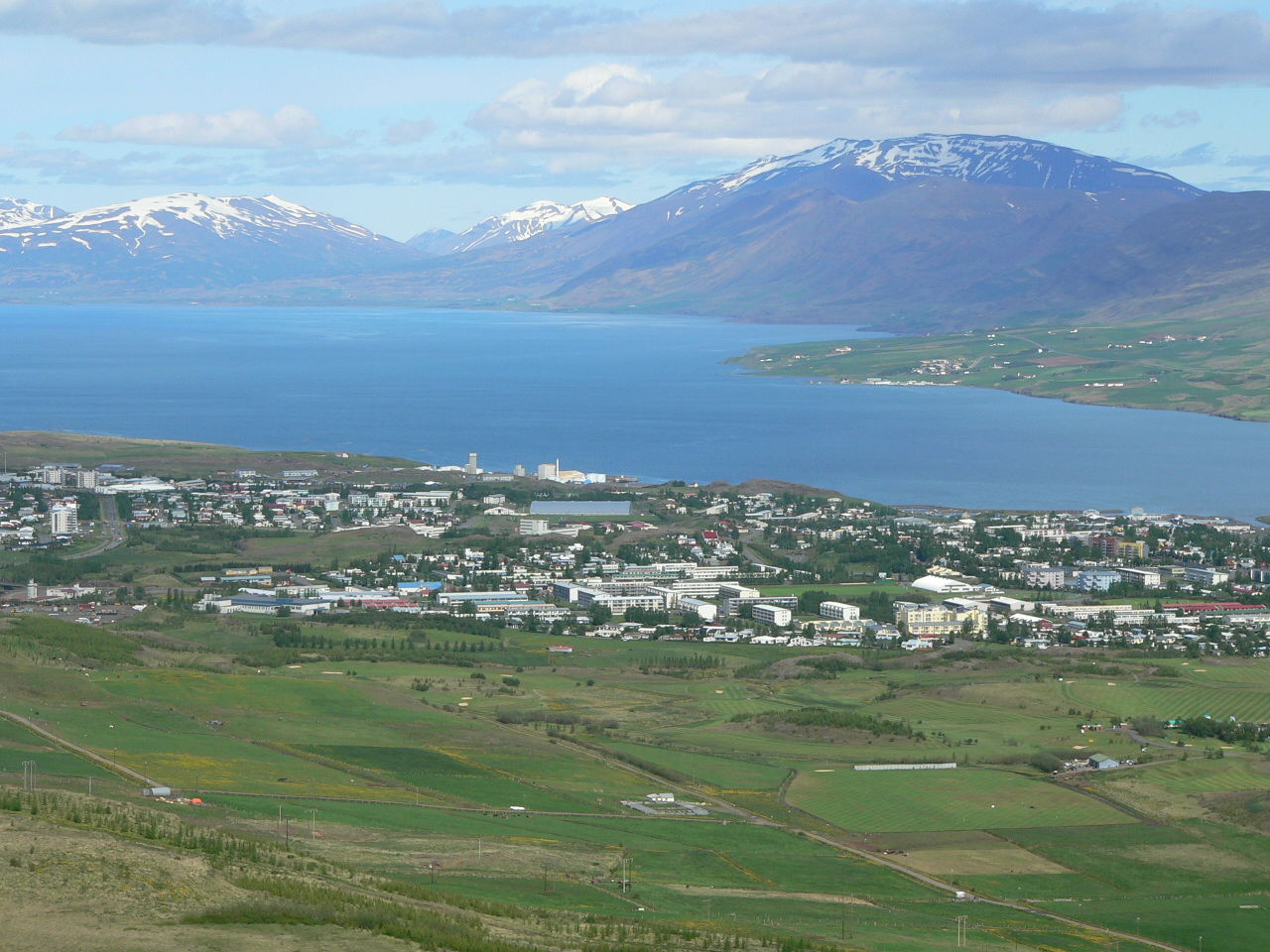
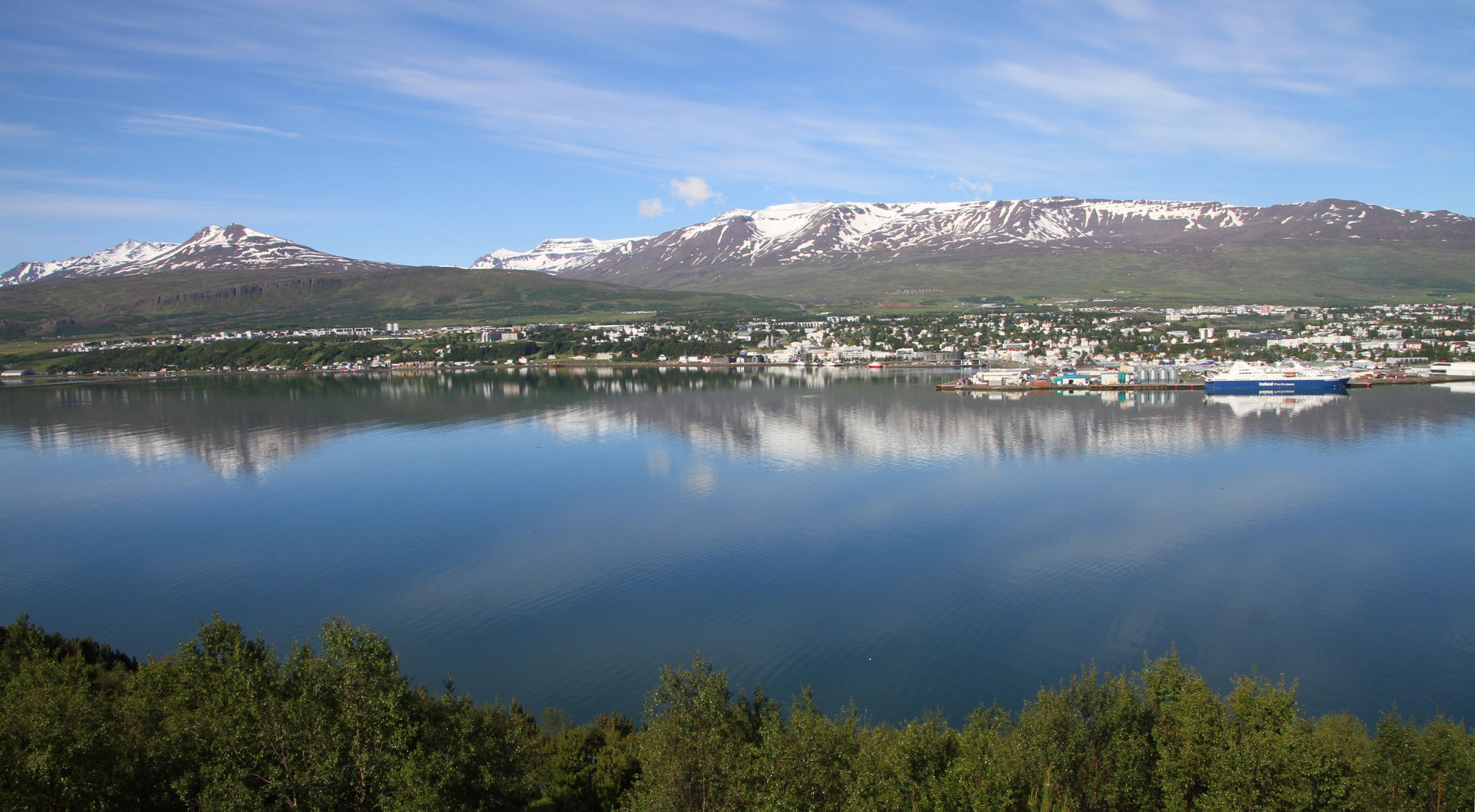
Akureyri offers a distinct, high-latitude lifestyle centered on outdoor immersion and a tight-knit community feel. For professionals seeking a slower pace without sacrificing modern amenities, it serves as a functional northern hub where nature is an immediate daily reality rather than a weekend excursion. You’ll find reliable healthcare and a stable, safe environment that makes it highly attractive for families looking to escape urban density.
However, relocation here requires a mindset shift regarding scale. While the infrastructure is dependable, the small population means professional networks are intimate and specialized job markets are limited. You should also prepare for the logistical realities of North Iceland, where seasonal weather and higher-than-average living costs demand careful financial and mental planning.
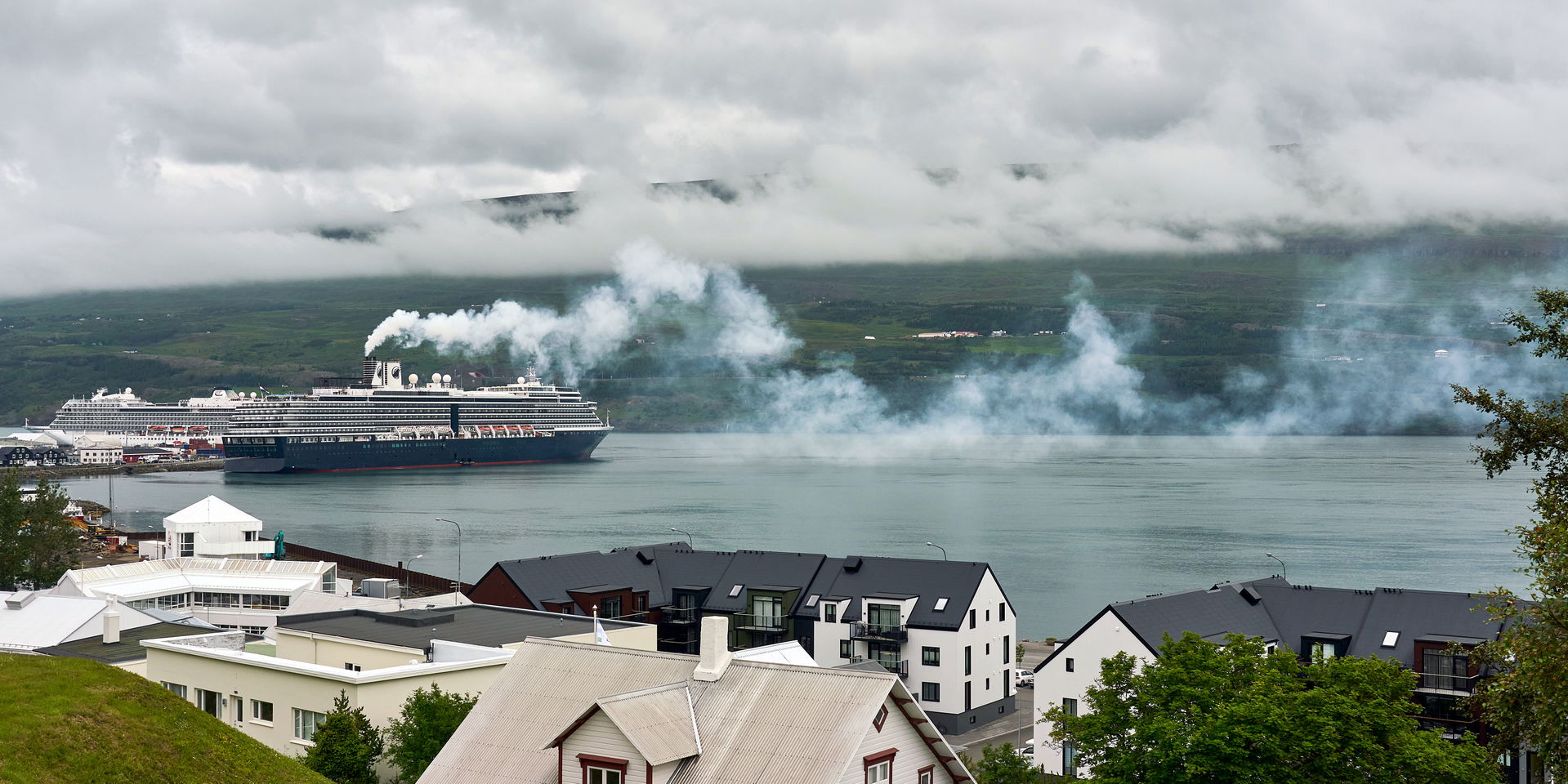
Akureyri has a subpolar oceanic climate, with long, cold winters and short, cool summers. It is relatively dry by Icelandic standards, with moderate precipitation and high humidity; the current overcast, cool conditions are consistent with its maritime Arctic-influenced climate.
Summer Average
12°C
Winter Average
0°C
Climate Type
Subpolar Oceanic
Rainy Days
170
Sunny Days
55
Humidity
81%
Spring
March - May
0-8°C
Spring is cool and changeable, with frequent cloud cover, lingering snow in March, and gradually lengthening daylight. Temperatures rise slowly through May, but breezy conditions and occasional rain or snow are still common.
Moderate rainfall
Summer
June - August
9-14°C
Summer is mild and relatively short, with cool days and comfortable nights. Rainfall is usually lower than in winter, and extended daylight makes the season feel brighter even when skies are partly cloudy.
Low rainfall
Autumn
September - November
1-8°C
Autumn becomes rapidly colder, with increasing wind, cloudiness, and a higher chance of rain or early snow by late season. Daylight drops quickly, and conditions often shift from wet to wintry by November.
High rainfall
Winter
December - February
-4-2°C
Winter is cold but usually not extreme by Arctic standards, with frequent snowfall, overcast skies, and periods of frost. Coastal influence helps moderate temperatures, but icy conditions and short daylight hours are typical.
Moderate rainfall
Loading Weather...
Air Quality
Akureyri
Advantages
Akureyri
Gateway to Arctic nature
Midnight sun experiences
Close-knit community feel
Northern lights viewing
Affordable Nordic living
Gateway to waterfalls
Disadvantages
Akureyri
Extreme weather isolation
Limited job opportunities
High cost of living
Expensive housing market
Minimal nightlife options
Safety & Security in Akureyri
Overall Safety Score
Includes resilience and environmental factors
Good
75
/100
Iceland Avg
57
Europe Avg
58
Worldwide Avg
56
Crime & Safety Metrics
Thermometer compares Akureyri to Iceland averages using different marker styles.Compare:
Akureyri
Iceland Average
Safety Index
0510
Good
Safety from Crime
0510
Safe
Safe Alone (Day)
0510
Excellent
Safe Alone (Night)
0510
Good
Safety from Violent Crime
0510
Very Safe
Safety from Property Crime
0510
Moderate
Environmental & Natural Hazard Risks
Resilience Score: N/A
Data Currently Under Investigation
Environmental risk assessments are being researched. The indicators below show what data will be available soon.