This content was generated using artificial intelligence based on publicly available information. It is provided for general informational purposes only and does not constitute legal, tax, immigration, or professional advice. Information may be incomplete or outdated. Always verify with official sources before making decisions.
Data Source: Safety, crime, and quality metrics are sourced from Numbeo, a crowd-sourced global database of reported data.
All scores are relative comparisons on a 0-100 scale, where 50 = global average. Higher scores mean better than average, lower scores mean worse than average.
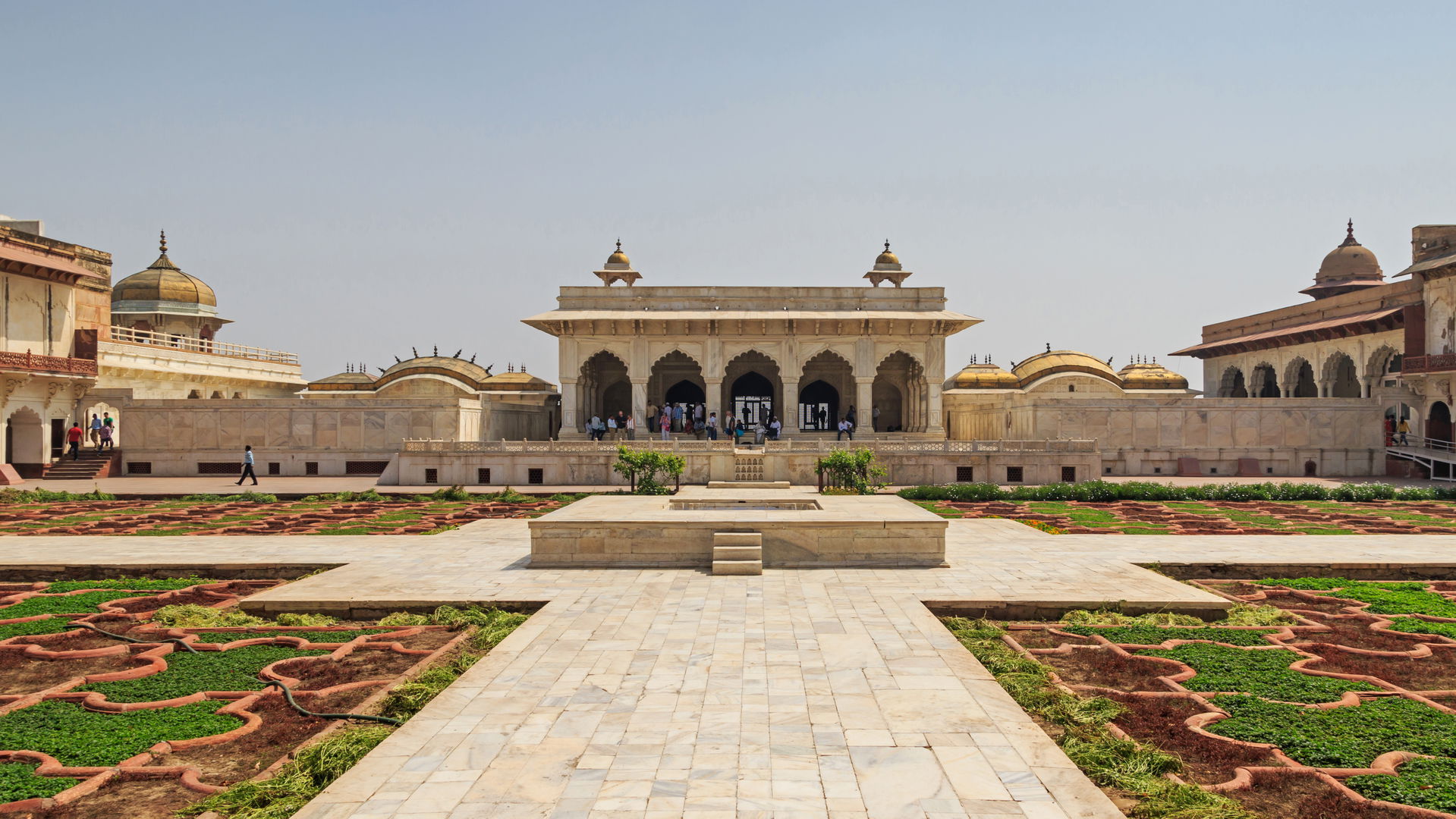
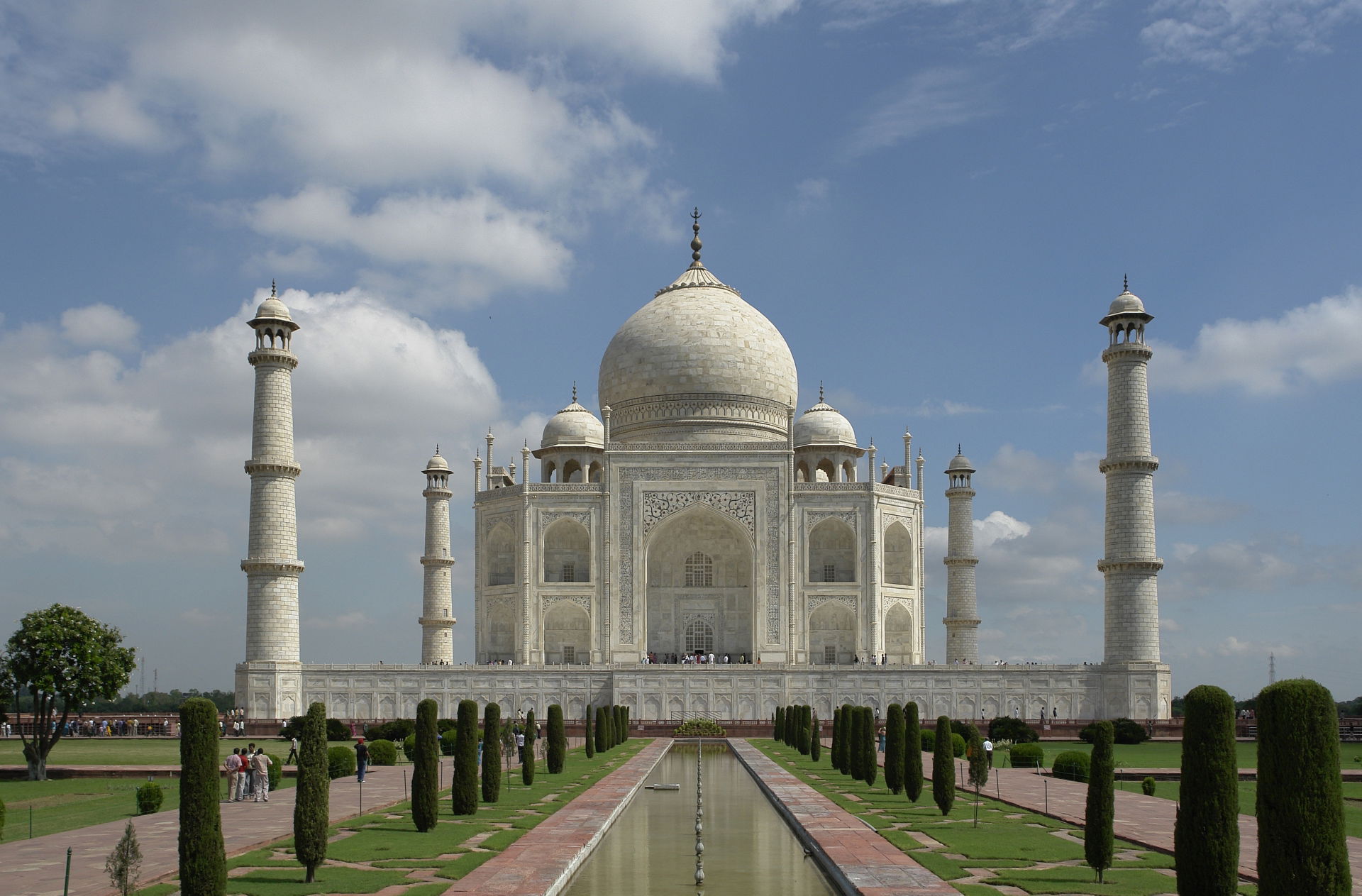
Agra offers a unique, high-energy lifestyle centered around historical grandeur and a significantly lower cost of living than India’s tier-one metros. For professionals seeking a slower pace without sacrificing essential infrastructure, the city provides reliable healthcare and functional public transport. It is an ideal base for those who value cultural immersion and proximity to heritage, provided they can navigate the complexities of a densely populated urban environment.
However, relocation requires a pragmatic mindset regarding local density and air quality. While the city is relatively safe and offers a manageable daily rhythm, the transition from Western urban planning can be jarring. It is a destination for the resilient adventurer rather than the seeker of polished, predictable comforts.
Population
1,430,055
Area
142 km²
Density
10,069 per km²
Founded
-
Language
English, Hindi, Tamil
Distance to Coast
826 km
Districts & Neighborhoods in Agra
Loading districts…
Climate & Weather in Agra
Agra has a hot semi-arid climate (Köppen BSh) with very hot, dry summers, a pronounced monsoon season, and mild winters. Long-term climate sources place annual rainfall around 670-700 mm, with most rain falling from June to September, while annual humidity is moderate for an inland North Indian city. The current overcast, humid conditions are consistent with monsoon-influenced weather rather than the city’s usual dry-season heat.
Summer Average
33°C
Winter Average
15°C
Climate Type
Hot semi-arid
Rainy Days
75
Sunny Days
290
Humidity
44%
Spring
March - May
23-41°C
Spring turns rapidly hot, with clear skies, dry air, and increasing heat toward May. This is one of the most uncomfortable periods before the monsoon arrives.
Low rainfall
Summer
June - August
27-34°C
Summer is dominated by the monsoon: June is very hot, then July and August become wetter and somewhat less extreme. Humidity rises noticeably and cloud cover increases during this period.
High rainfall
Autumn
September - November
21-32°C
Autumn begins warm and gradually becomes cooler and drier by November. September can still feel humid, but skies typically clear as the monsoon withdraws.
Moderate rainfall
Winter
December - February
8-23°C
Winter is mild to cool, with pleasant daytime temperatures and chilly nights in January. Rainfall is low, and fog can occur on some winter mornings.
Low rainfall
Loading Weather...
Air Quality
Agra
Advantages
Agra
Taj Mahal world wonder
Rich historical heritage sites
Affordable cost of living
Abundant parks and green spaces
Spiritual and religious significance
Growing tourism economy
Disadvantages
Agra
Limited job opportunities
Poor air quality
Inadequate public transportation
Tourism-dependent economy
Basic healthcare facilities
Safety & Security in Agra
Overall Safety Score
Includes resilience and environmental factors
Good
61
/100
India Avg
57
Asia Avg
57
Worldwide Avg
56
Crime & Safety Metrics
Thermometer compares Agra to India averages using different marker styles.Compare:
Agra
India Average
Safety Index
0510
Moderate
Safety from Crime
0510
Moderate
Safe Alone (Day)
0510
Moderate
Safe Alone (Night)
0510
Low
Safety from Violent Crime
0510
Moderate
Safety from Property Crime
0510
Moderate
Environmental & Natural Hazard Risks
Resilience Score: 82/100
No data for Agra — showing hazard indicators from nearby Hathras (~47 km).