This content was generated using artificial intelligence based on publicly available information. It is provided for general informational purposes only and does not constitute legal, tax, immigration, or professional advice. Information may be incomplete or outdated. Always verify with official sources before making decisions.
Data Source: Safety, crime, and quality metrics are sourced from Numbeo, a crowd-sourced global database of reported data.
All scores are relative comparisons on a 0-100 scale, where 50 = global average. Higher scores mean better than average, lower scores mean worse than average.
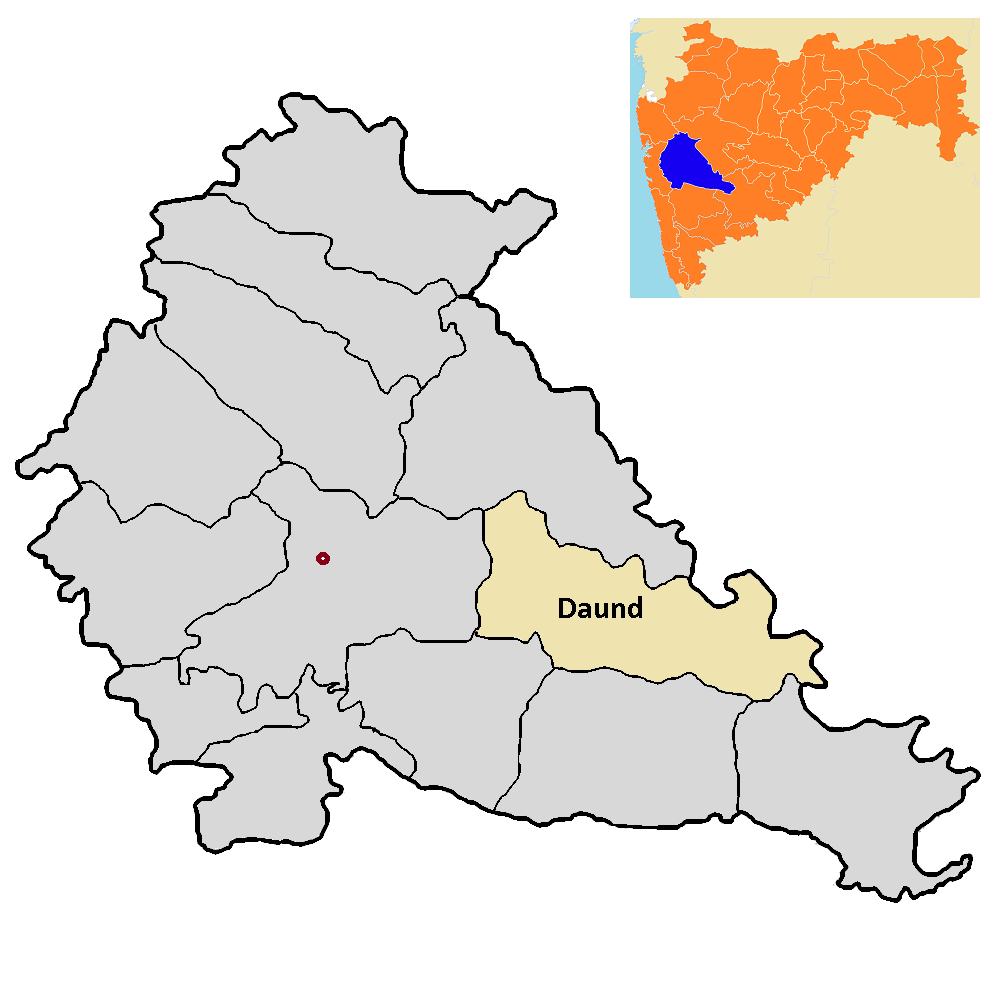
Daund offers a quiet, grounded lifestyle ideal for expats seeking an authentic inland Indian experience beyond the usual metro hubs. Life here moves at a deliberate pace, with low costs and minimal expat infrastructure, making it best suited for the self-reliant or those with local ties. Daily living is eased by functional public transport and decent healthcare access, while safety is generally good by urban standards. That said, housing options are limited in variety, and the lack of international schools or expat communities may be a constraint for some. It’s a place where integration matters more than convenience—rewarding for those prepared to dig in, less so for those wanting a seamless transition.
Population
49,450
Area
326 km²
Density
152 per km²
Founded
-
Language
English, Hindi, Tamil
Distance to Coast
169 km
Districts & Neighborhoods in Daund
Loading districts…
Climate & Weather in Daund
Daund has a **tropical savanna climate (Köppen Aw)** with very hot pre-monsoon summers, a concentrated monsoon rainy season, and mild, drier winters. Climate references for Daund show annual rainfall around 695 mm, with the wettest months during the southwest monsoon and the driest period in winter. Current overcast, humid conditions are consistent with the city’s seasonal monsoon-influenced weather pattern.
Summer Average
35°C
Winter Average
18°C
Climate Type
Tropical savanna
Rainy Days
55
Sunny Days
280
Humidity
55%
Spring
March - May
30-41°C
Spring is hot and increasingly dry, with temperatures rising sharply toward May. Afternoon heat is common, and the sky is often hazy or partly cloudy before the monsoon arrives.
Low rainfall
Summer
June - August
27-35°C
Summer overlaps with the monsoon season, bringing high humidity, cloud cover, and frequent rain. June through August receives most of the annual rainfall, with July and August typically the wettest months.
Very High rainfall
Autumn
September - November
24-33°C
Autumn is warm and gradually dries out after the monsoon withdraws. Rainfall drops quickly, and conditions become more comfortable than in the peak wet season.
Moderate rainfall
Winter
December - February
12-30°C
Winter is mild to warm, with cooler mornings and evenings but pleasant daytime temperatures. This is the driest part of the year, with very few rainy days.
Very Low rainfall
Loading Weather...
Air Quality
Daund
Advantages
Daund
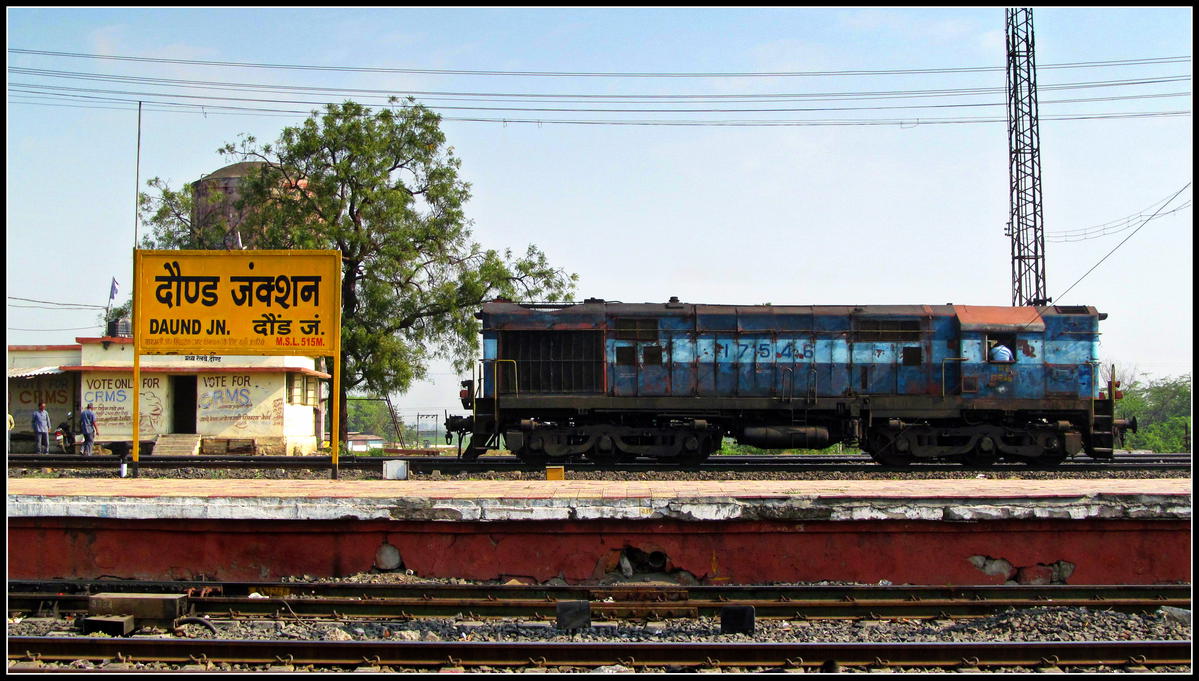
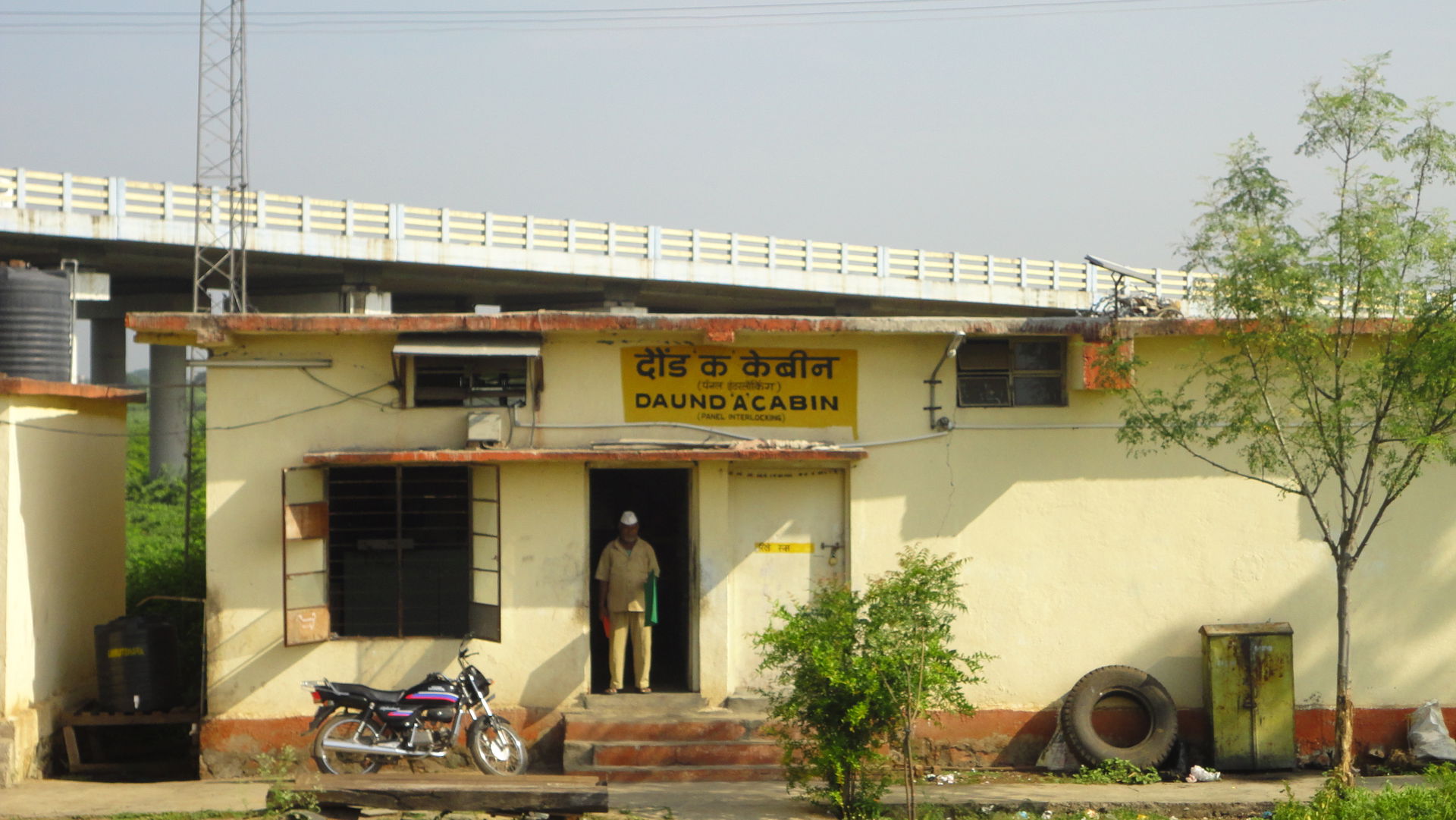
Strategic railway junction location
Affordable cost of living
Five accessible parks nearby
Growing agricultural trade hub
Close to Pune city
Disadvantages
Daund
Limited higher education options
Few employment opportunities
Inadequate public infrastructure
Minimal entertainment venues
Poor healthcare facilities
Safety & Security in Daund
Overall Safety Score
Includes resilience and environmental factors
Moderate
55
/100
India Avg
57
Asia Avg
57
Worldwide Avg
56
Crime & Safety Metrics
Thermometer compares Daund to India averages using different marker styles.Compare:
Daund
India Average
No city-specific data available — showing India country averages instead.
Safety Index
0510
Moderate
Safety from Crime
0510
Moderate
Safe Alone (Day)
0510
Good
Safe Alone (Night)
0510
Low
Safety from Violent Crime
0510
Moderate
Safety from Property Crime
0510
Moderate
Environmental & Natural Hazard Risks
Resilience Score: 80/100
No data for Daund — showing hazard indicators from nearby Baramati (~35 km).