This content was generated using artificial intelligence based on publicly available information. It is provided for general informational purposes only and does not constitute legal, tax, immigration, or professional advice. Information may be incomplete or outdated. Always verify with official sources before making decisions.
Data Source: Safety, crime, and quality metrics are sourced from Numbeo, a crowd-sourced global database of reported data.
All scores are relative comparisons on a 0-100 scale, where 50 = global average. Higher scores mean better than average, lower scores mean worse than average.
Abidjan has a tropical wet-and-dry climate that closely borders a tropical monsoon climate, with hot, humid conditions year-round and small seasonal temperature variation. It has two rainy seasons, with the heaviest rains typically from March to July and a shorter wet period from September to November, while January, February, and August are relatively drier.
Summer Average
28°C
Winter Average
25°C
Climate Type
Tropical Monsoon
Rainy Days
220
Sunny Days
120
Humidity
83%
Spring
March - May
27-30°C
Spring is one of the wettest and warmest periods in Abidjan, with frequent cloud cover, heavy showers, and high humidity. Thunderstorms are common as the long rainy season strengthens.
Very High rainfall
Summer
June - August
25-28°C
Summer remains warm and very humid, but August is a relative lull in rainfall compared with June and July. Skies are often cloudy, and temperatures stay fairly steady due to the maritime influence.
High rainfall
Autumn
September - November
26-29°C
Autumn brings the shorter rainy season, with frequent showers and storms returning after the August break. Conditions stay muggy and warm, especially in September and October.
High rainfall
Winter
December - February
24-28°C
Winter is the driest and slightly less cloudy part of the year, though humidity remains elevated. The harmattan influence is weaker on the coast than farther north, so conditions still feel warm and tropical.
Moderate rainfall
Loading Weather...
Air Quality
Abidjan
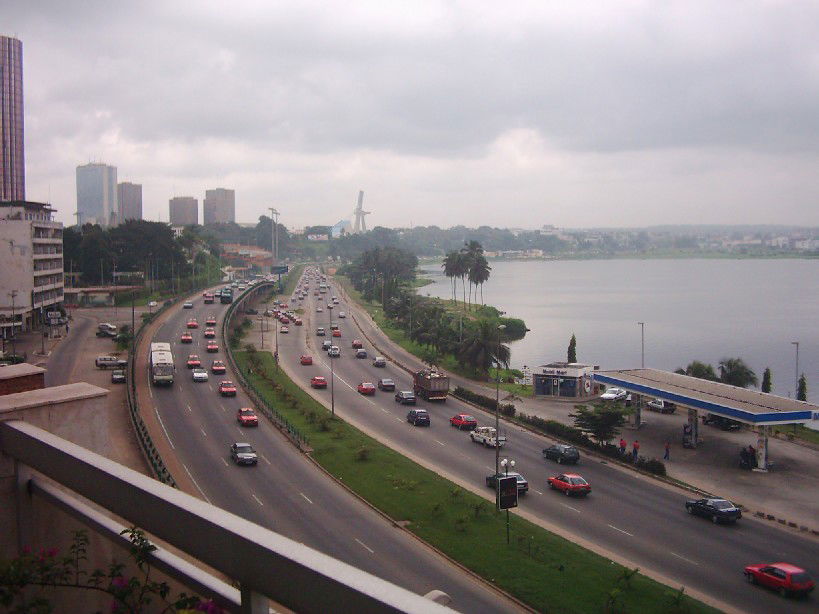
Abidjan is a high-energy West African hub that offers a sophisticated, cosmopolitan lifestyle rarely found in the region. For professionals, it provides a vibrant social scene and a growing economy, making it an ideal base for those seeking a dynamic, career-driven environment. You’ll find a reliable standard of healthcare and decent public infrastructure that supports a comfortable, modern existence.
However, relocation requires navigating a certain level of urban friction. While the city is relatively safe, the pace of life can be intense, and you should prepare for logistical hurdles in transport and a higher cost of living compared to neighboring countries. It is a city for those who thrive on momentum rather than those seeking quiet predictability.
Advantages
Abidjan
Economic hub of West Africa
Diverse cultural experiences
Tropical coastal location
Growing educational institutions
Vibrant local markets
Welcoming multicultural community
Disadvantages
Abidjan
Traffic congestion severe
Infrastructure maintenance gaps
Limited coworking spaces
Inconsistent utility services
High unemployment rates
Safety & Security in Abidjan
Overall Safety Score
Includes resilience and environmental factors
Moderate
57
/100
Ivory Coast Avg
55
Africa Avg
53
Worldwide Avg
56
Crime & Safety Metrics
Thermometer compares Abidjan to Ivory Coast averages using different marker styles.Compare: