This content was generated using artificial intelligence based on publicly available information. It is provided for general informational purposes only and does not constitute legal, tax, immigration, or professional advice. Information may be incomplete or outdated. Always verify with official sources before making decisions.
Data Source: Safety, crime, and quality metrics are sourced from Numbeo, a crowd-sourced global database of reported data.
All scores are relative comparisons on a 0-100 scale, where 50 = global average. Higher scores mean better than average, lower scores mean worse than average.
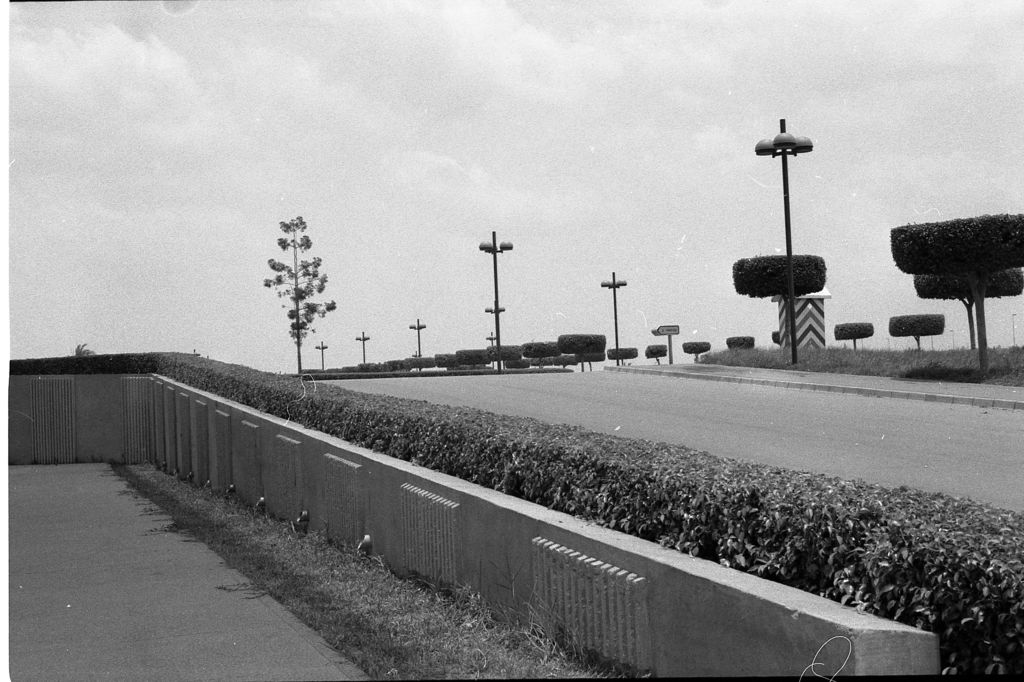
Yamoussoukro offers a distinct, slower-paced alternative to the frantic energy of Abidjan, making it an ideal base for professionals seeking stability and space. As the political capital, the city provides a more structured environment with reliable healthcare and decent public transport, though it lacks the vibrant, cosmopolitan social scene found in coastal hubs.
Life here is defined by wide boulevards and a sense of calm, but the trade-off is a more limited international community and fewer niche lifestyle amenities. It is a practical choice for those prioritizing a manageable cost of living and a secure, predictable daily routine over high-octane urban excitement.
Population
275,686
Area
670 km²
Density
412 per km²
Founded
-
Language
French
Distance to Coast
178 km
Districts & Neighborhoods in Yamoussoukro
Loading districts…
Climate & Weather in Yamoussoukro
Yamoussoukro has a tropical wet and dry climate (Köppen Aw) with a long rainy season from roughly March to October and a shorter dry season from November to February. Average temperatures stay warm year-round, with monthly means around 25.7°C in the coolest month and 28.9°C in the warmest month, while annual rainfall is about 1,100–1,130 mm.
Summer Average
28°C
Winter Average
26°C
Climate Type
Tropical wet and dry
Rainy Days
120
Sunny Days
220
Humidity
78%
Spring
March - May
27-29°C
This is one of the wettest and warmest parts of the year, with frequent showers and periods of high humidity. Cloud cover is common and afternoons can feel muggy.
Very High rainfall
Summer
June - August
25-27°C
Temperatures remain warm but are slightly moderated by persistent cloudiness and rainfall. This is the core of the rainy season, with regular storms and humid conditions.
Very High rainfall
Autumn
September - November
26-28°C
Rainfall gradually declines after the late-wet season peak, but showers are still common in September and October. By November, drier and sunnier weather becomes more frequent.
High rainfall
Winter
December - February
25-28°C
The dry season brings hotter daytime conditions, lower rainfall, and more sunshine, though mornings can still be humid. Harmattan influence can occasionally make the air feel drier and hazier.
Low rainfall
Loading Weather...
Air Quality
Yamoussoukro
Advantages
Yamoussoukro
14 universities available
67 schools for education
Capital city infrastructure
Growing business opportunities
Central location accessibility
Disadvantages
Yamoussoukro
Limited coworking spaces
Few cultural attractions
Inadequate public infrastructure
Limited nightlife options
Brain drain to Abidjan
Safety & Security in Yamoussoukro
Overall Safety Score
Includes resilience and environmental factors
Moderate
48
/100
Ivory Coast Avg
56
Africa Avg
53
Worldwide Avg
56
Crime & Safety Metrics
Thermometer compares Yamoussoukro to Ivory Coast averages using different marker styles.Compare:
Yamoussoukro
Ivory Coast Average
Safety Index
0510
Low
Safety from Crime
0510
Concerning
Safe Alone (Day)
0510
Moderate
Safe Alone (Night)
0510
Critical
Safety from Violent Crime
0510
Moderate
Safety from Property Crime
0510
Dangerous
Environmental & Natural Hazard Risks
Resilience Score: 100/100
No data for Yamoussoukro — showing hazard indicators from nearby Bouaké (~100 km).