This content was generated using artificial intelligence based on publicly available information. It is provided for general informational purposes only and does not constitute legal, tax, immigration, or professional advice. Information may be incomplete or outdated. Always verify with official sources before making decisions.
Data Source: Safety, crime, and quality metrics are sourced from Numbeo, a crowd-sourced global database of reported data.
All scores are relative comparisons on a 0-100 scale, where 50 = global average. Higher scores mean better than average, lower scores mean worse than average.
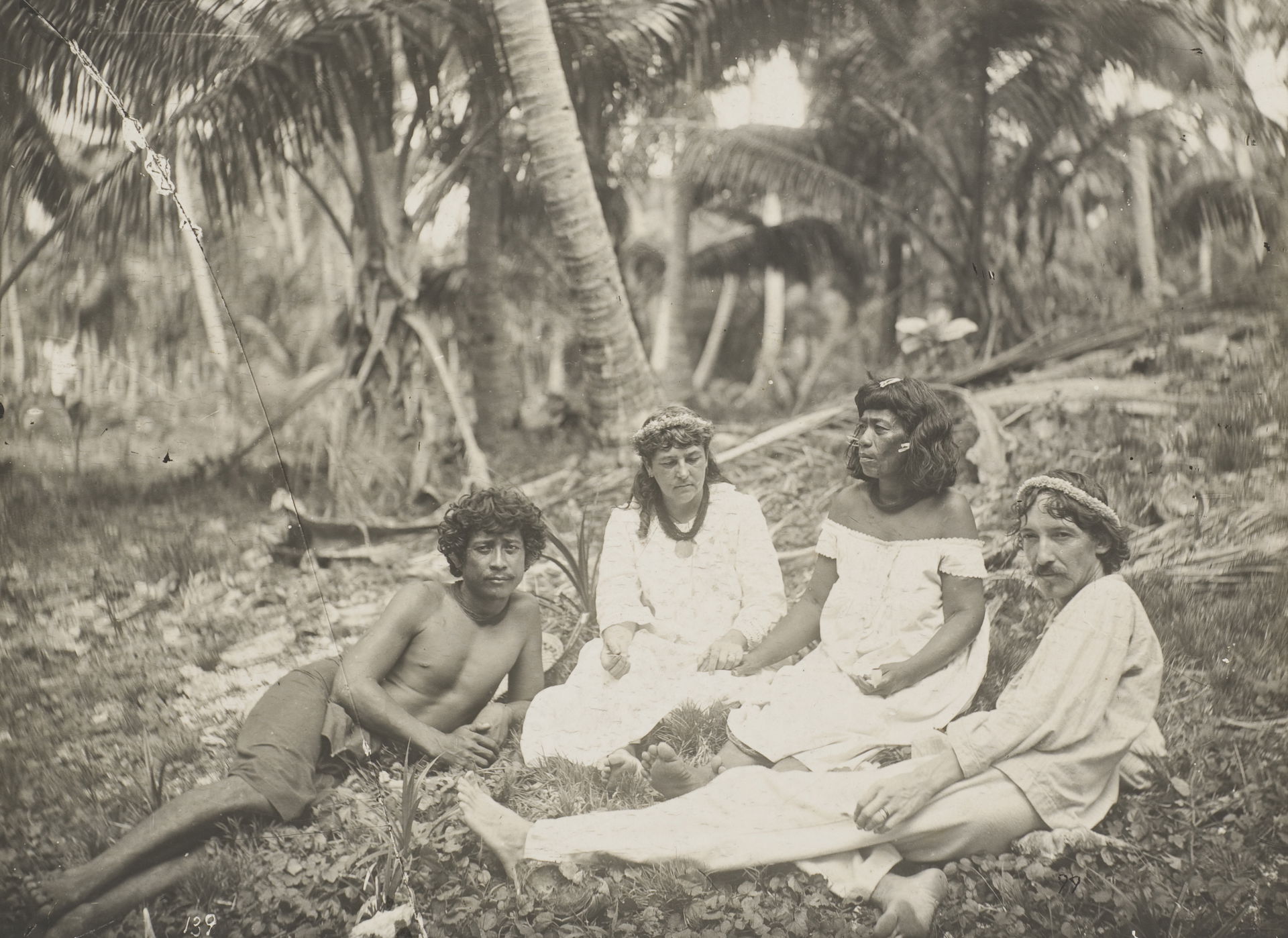
Lloyd Osbourne•Public domain
ButaritariKiribati
City Overview of Butaritari
Butaritari, Kiribati, offers a profoundly unique experience for expats seeking deep cultural immersion in a remote Pacific island setting. Life here is distinctly simple and community-focused, far removed from typical urban conveniences and established expat infrastructure. While safety and basic healthcare are generally adequate, expect a significant lifestyle shift and limited access to modern amenities or extensive public transport. This destination is ideal for those prepared for self-reliance and a profound connection with local culture, rather than a conventional expat posting.
Population
-
Area
2,011 km²
Density
-
Founded
-
Language
English, Gilbertese
Distance to Coast
4 km
Districts & Neighborhoods in Butaritari
Loading districts…
Climate & Weather in Butaritari
Butaritari has a tropical rainforest climate (Köppen Af) with consistently hot temperatures, high humidity, and abundant rainfall through most of the year. It is cooler than parts of Kiribati by a few degrees, but still remains warm year-round with a pronounced wet season tendency and frequent showers.
Summer Average
31°C
Winter Average
29°C
Climate Type
Tropical rainforest
Rainy Days
204
Sunny Days
110
Humidity
82%
Spring
September - November
29-30°C
Warm and humid conditions persist, with frequent showers and periods of cloudiness. Rainfall is generally moderate to high, though November is often one of the drier months relative to the rest of the year.
High rainfall
Summer
December - February
29-31°C
Hot, humid weather dominates, with frequent rain showers and occasional heavier downpours. Sea breezes help moderate the heat slightly, but muggy conditions are common.
High rainfall
Autumn
March - May
29-31°C
This is one of the wetter periods of the year, with persistent cloud cover and repeated rainfall events. Humidity remains high and temperatures stay very steady.
Very High rainfall
Winter
June - August
28-30°C
The coolest season is still warm by most standards, with slightly lower temperatures and continued humidity. Showers remain common, but there can be short drier intervals compared with the wettest months.
High rainfall
Loading Weather...
Air Quality
Butaritari
Advantages
Butaritari
Pristine tropical island paradise
Tight-knit community atmosphere
Authentic Pacific culture
Peaceful, stress-free living
Excellent fishing opportunities
Disadvantages
Butaritari
Extremely limited job opportunities
No higher education institutions
Expensive imported goods
Poor internet connectivity
Limited healthcare facilities
Safety & Security in Butaritari
Overall Safety Score
Includes resilience and environmental factors
Moderate
55
/100
Kiribati Avg
58
Oceania Avg
55
Worldwide Avg
56
Crime & Safety Metrics
Thermometer compares Butaritari to Kiribati averages using different marker styles.Compare:
Butaritari
Kiribati Average
No city-specific data available — showing Kiribati country averages instead.
Safety Index
0510
Excellent
Safety from Crime
0510
Very Safe
Safe Alone (Day)
0510
Excellent
Safe Alone (Night)
0510
Excellent
Safety from Violent Crime
0510
Very Safe
Safety from Property Crime
0510
Very Safe
Environmental & Natural Hazard Risks
Resilience Score: N/A
Data Currently Under Investigation
Environmental risk assessments are being researched. The indicators below show what data will be available soon.