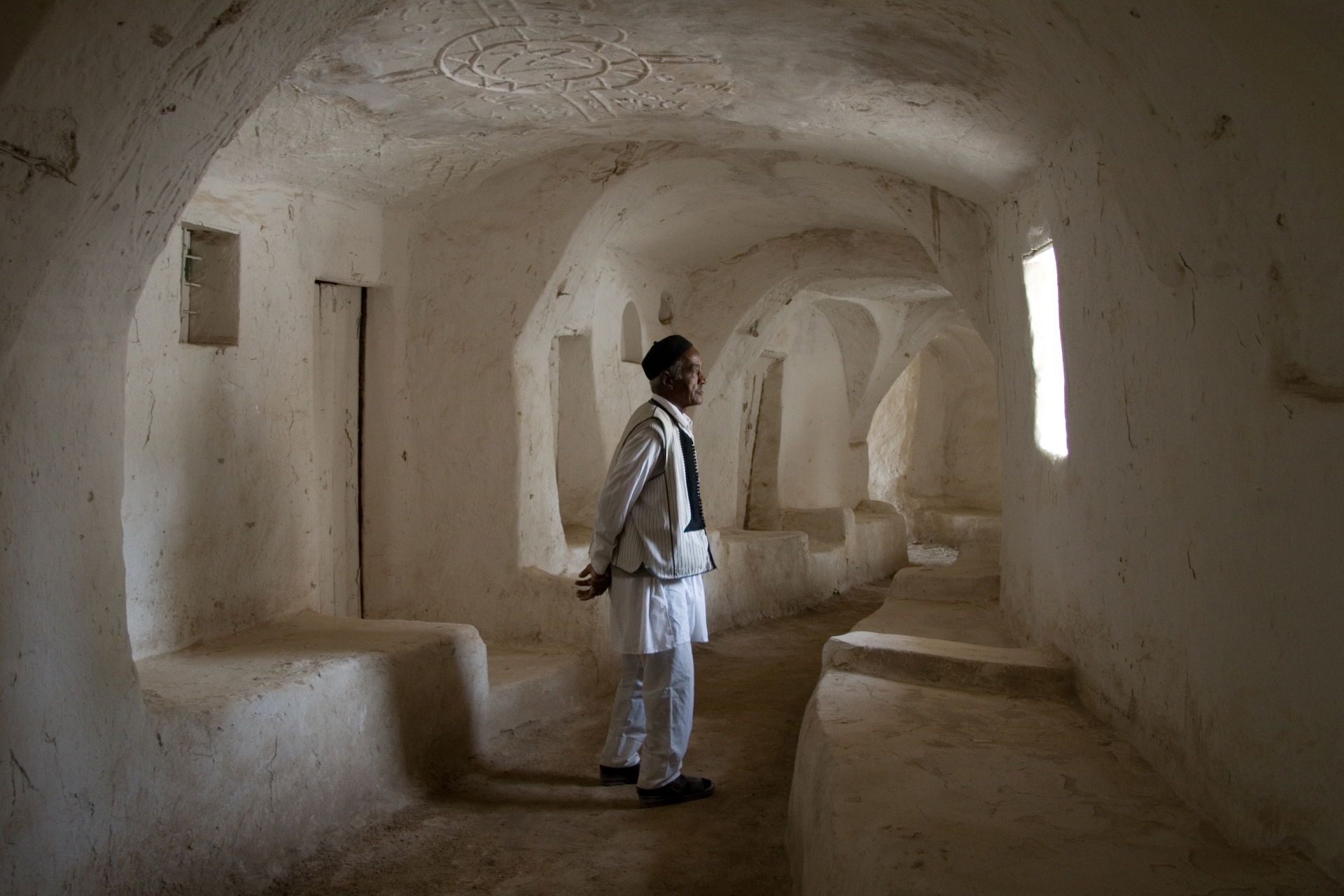
Ghadames - Grosse Moschee
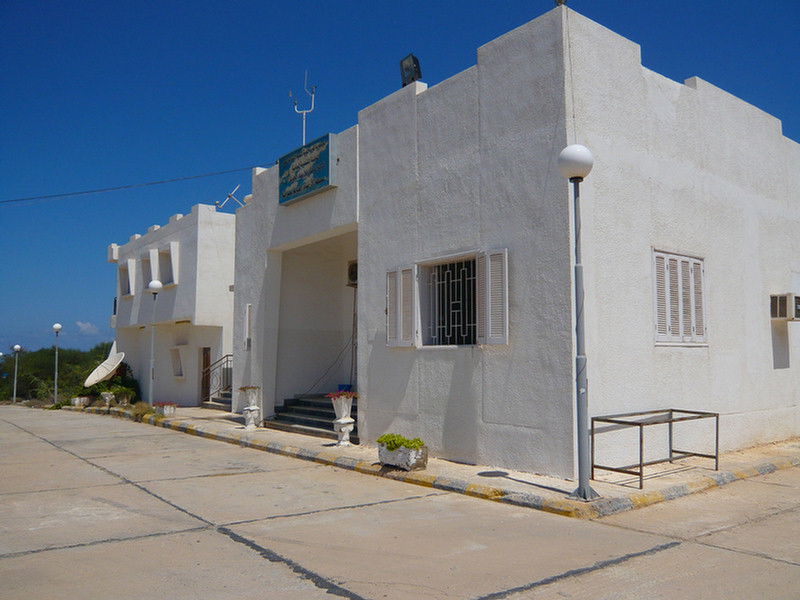
Exterior of the Royal Palace of Tripoli, Libya designed by Ital…
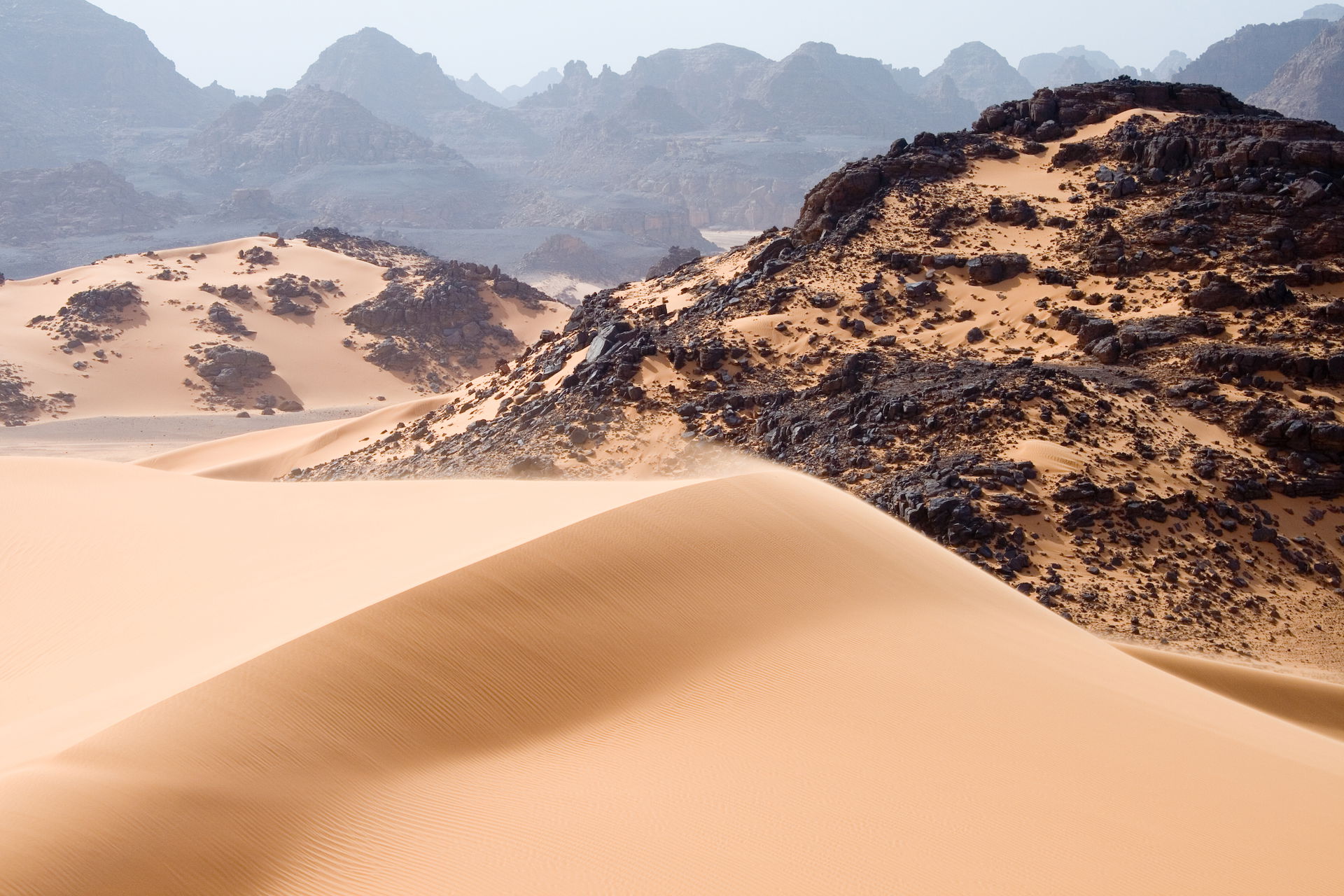
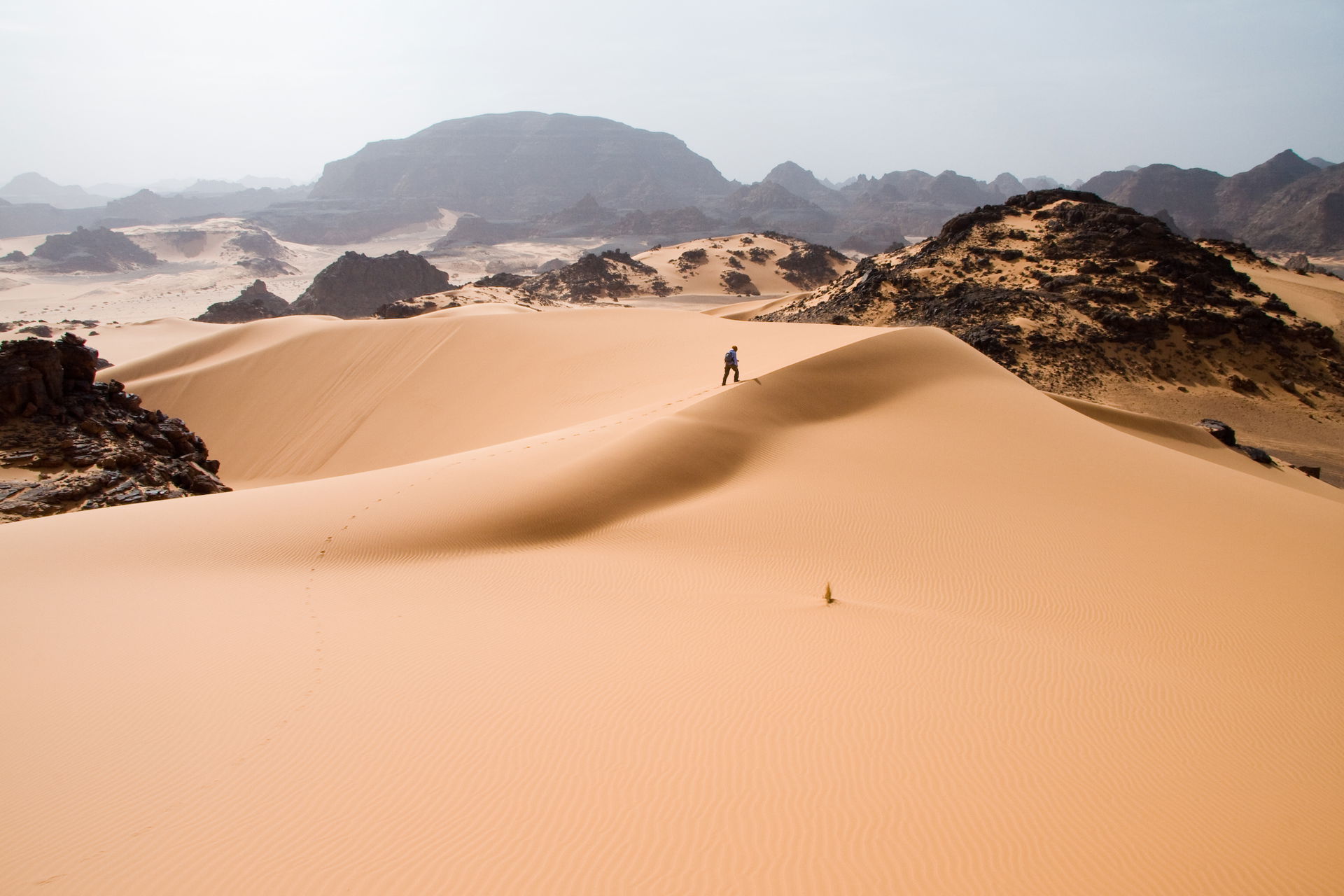
Libya is a predominantly desert country. Up to 99% of the land …
ENI Oil platform Bouri DP4
The Libyan flag decorates a street in the Tripoli medina in pre…
The Arch of Septimius Severus at Leptis Magna, Libya
UN-MitgliedVisum erforderlichBev. 6.9M
NestFainder ScoreKI
0/ 100

Sorgfältig prüfen

Lebensqualitätsindex von 100

AKosten
CSicherheit
A−Klima
BHDI
Libya flag

Libya

Mediterranean Sea · Arabic

Libya

Libya is a large North African country located along the Mediterranean coast, covering approximately 1.76 million square kilometers, making it the fourth largest in Africa and the 16th largest worl…

Wie gut passt Libya zu deinem Profil?
KLIMA
Mediterranean Sea
35°C Ø · 3500h Sonne/Jahr
WÄHRUNG
LYD
SPRACHE
Arabic
SICHERHEIT
Moderat
#1 weltweit · Sicherheitsindex 44/100
LEBENSHALTUNGSKOSTEN
Günstig
Kostenindex 19/100
ZEITZONE
GMT+2
UTC+2 · 2h voraus

Wie es ist, in Libya zu leben· KI-Übersicht

Libya is a large North African country located along the Mediterranean coast, covering approximately 1.76 million square kilometers, making it the fourth largest in Africa and the 16th largest worldwide. It borders six countries: Egypt, Sudan, Chad,...

Lebenshaltungskosten
vs. EU-Durchschnitt59% günstiger als EU-Durchschnitt
1-Zi.-Whg., Zentrum
LYD1,545Apartment (1 bedroom) in City…
Abendessen zu zweit
LYD22.50Meal, Inexpensive Restaurant
Monatl. Lebensmittel
LYD6.00Milk (regular), (1 liter)
ÖPNV-Monatskarte
LYD4.00One-way Ticket (Local Transpo…
Leitfaden lesen
★ Professional

Dein Libya-Fahrplan

40+ seitige persönliche Umzugsanalyse — Visaweg, Steuerstrategie, Stadtteilguide, Gesundheitsversorgung und mehr.

€29Einmaliger Bericht
  • Visa- & Aufenthaltsweg
  • Steueroptimierung
  • Stadtteilguide
  • Gesundheitsversorgung & Schulen
  • Kostenaufschlüsselung

Mit einem Sicherheitsindex von 44/100 bietet Libya moderat Sicherheitsbedingungen für Expats und ihre Familien.

Einreisevoraussetzungen & Visaoptionen

Libya maintains a restrictive visa policy requiring advance approval for all international travelers, including citizens of the United States, United Kingdom, Canada, and Australia. No visa-free entry or visa on arrival is available; tourists must obtain a tourist visa through the eVisa system introduced in April 2024 or via Libyan embassies/consulates. The eVisa application requires a Letter of Invitation (LOI) from an authorized Libyan tour operator or sponsor, often necessitating booking a full guided tour due to security protocols. Applications...

Visumfreie Einreise: 90 days
Vollständigen Leitfaden lesen

Libya weist einen Kaufkraftindex von 42/100 auf, was auf moderat wirtschaftliche Bedingungen für Expats hindeutet.

WirtschaftsüberblickLibya

GDP

$45.75B

HDI

0.7

Lebensqualität

N/A

NYC baseline: 43

Kaufkraft

18/100

-24 vs NYC

Das Verständnis der wirtschaftlichen Lage ist unerlässlich, um Lebenshaltungskosten und Chancen in Libya zu bewerten. Dieser umfassende Überblick behandelt wichtige Finanzindikatoren wie Lebenshaltungskosten, Wohnungsmärkte, Einkommensniveaus und Fiskalpolitik, die das tägliche Leben und die langfristige Finanzplanung prägen.

Tax information is currently being researched.

Education SystemInternational schools, universities & curricula
Explore Guide

Klima

Libya, spanning 1.76 million km², features a predominantly arid climate with hot desert conditions dominating the vast interior, moderated by a narrow Mediterranean coastal strip and highland areas. Köppen classifications include hot desert (BWh), hot semi-arid (BSh), and Mediterranean (Csa/Csb) types.

Klima

Hot desert, Hot semi-arid, Mediterranean

Sommer

30–40°C

Winter

10–22°C

Sonnenstunden

3500+ hrs/yr

5 Klimaregionen – vollständigen Leitfaden für Details anzeigen

Vollständigen Leitfaden lesen

Demografie in Libya

Bevölkerung
6.9M
Lebenserwartung: 71.9
Religionen
Christianity 3%

Ethnische Zusammensetzung

{{Tree list}} * 92% [[Arabs]] * 5% [[Berbers]] * 3% Others {{Tree list/end}}
N/A

Langzeit-Expat-Leitfaden für Libya

Visa & AufenthaltLangfristige Aufenthaltswege erklärt
SteuerpflichtenAnsässigkeit & Einkommensteuer-Grundlagen
GesundheitsversorgungÖffentliche & private Optionen
Vollständigen Leitfaden lesen

Work & Business

  • Employment rate: 45.0%
  • Startup ecosystem: 2.5/10
  • Business registration: 3-6 weeks
  • No formal legal framework specifically addresses remote work in Libya.
Work & business guide →

Gesundheitsversorgung in Libya

Öffentliche GesundheitsversorgungFür Einwohner verfügbar
Private KrankenversicherungBreites Anbieterangebot
QualitätsbewertungDetails im Leitfaden
Vollständigen Leitfaden lesen

Retirement & benefits

★ Premium
Retirement index
Natixis
Min. income requirement
€●,●●●
🔒 Locked
Gov healthcare
From residency
Unlock Premium

Transportation

N/A
Monthly transit pass
B
Airport · Tripoli & Tripoli & Benghazi & Misrata
28 Mbps
Avg internet speed
N/A
Single bus/metro trip

Libya's transportation and infrastructure landscape is characterized by an extensive but unevenly developed road network, limited public transport options, and a growing focus on strategic infrastructure projects to enhance national and regional connectivity. The country relies heavily on private road transport, with the coastal highway serving as the main artery for freight and passenger movement. Major initiatives like the Libya Africa Transit Corridors and the Alternative Freeway aim to improve inland connectivity and foster economic integration.

Transportation guide

Recht & Verwaltung in Libya

AufenthaltsoptionenMehrere Wege verfügbar
ImmobilienkaufAusländer willkommen
RechtssystemVollständigen Leitfaden ansehen
Vollständigen Leitfaden lesen

Social Integration

D
Cultural integration
F
Expat community
D
Professional networking
D
Social activities

Social integration in Libya is complex due to ongoing political instability, security challenges, and a large immigrant and refugee population. The majority local population is Sunni Muslim Arabic-speaking, with strong cultural traditions and social norms. Expats and migrants face significant barriers including limited access to healthcare, education, and social services, compounded by xenophobia and legal restrictions.

Social integration guide

Environment & Sustainability

2%
Forest coverage
B
Sustainability
Moderate
Natural disaster risk
45
Air quality (AQI)

Libya faces significant environmental challenges driven by climate change, including rising temperatures, severe water scarcity, desertification, and increasing risks of extreme weather events such as floods and heatwaves. The country’s arid climate and reliance on fossil fuels complicate adaptation efforts. Despite limited data on air and water quality, Libya is making strides in environmental governance and sustainable development, focusing on renewable energy and ecosystem restoration to mitigate climate impacts and improve resilience.

Environment guide

Environment & Sustainability in Libya

Air QualitySee detailed assessment
Green SpacesParks & nature areas
SustainabilityEnvironmental policies
Vollständigen Leitfaden lesen
Politische Landschaft & Stabilität

Libya remains politically divided with two rival administrations controlling different regions. The UN-backed Government of National Unity led by Abdul Hamid Dbeibah governs western Libya, while the Government of National Stability backed by eastern forces holds the east. Despite municipal elections in 2025, national elections remain postponed amid ongoing political deadlock and efforts to unify institutions continue under a UN roadmap.

System
Transitional Government
Stabilität
Unstable
Demokratie
Authoritarian
Rechtssystem
Mixed legal system of civil law
Vollständigen Leitfaden lesen

Ready to stop
browsing and start moving?

Generate a personalized relocation roadmap — visa path, 3 shortlisted cities, tax & timeline.

Build my roadmap

Data Source: Safety, crime, and quality metrics are sourced from Numbeo, a crowd-sourced global database of reported data.

All scores are relative comparisons on a 0-100 scale, where 50 = global average. Higher scores mean better than average, lower scores mean worse than average.