This content was generated using artificial intelligence based on publicly available information. It is provided for general informational purposes only and does not constitute legal, tax, immigration, or professional advice. Information may be incomplete or outdated. Always verify with official sources before making decisions.
Data Source: Safety, crime, and quality metrics are sourced from Numbeo, a crowd-sourced global database of reported data.
All scores are relative comparisons on a 0-100 scale, where 50 = global average. Higher scores mean better than average, lower scores mean worse than average.
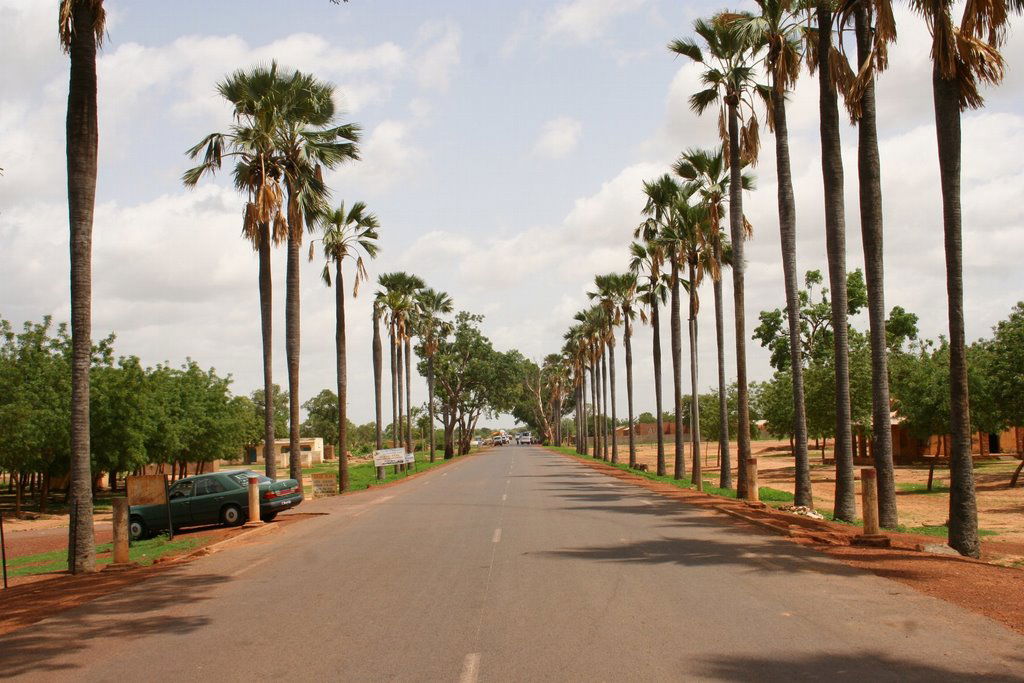
Kolokani offers a grounded, authentic West African experience for those seeking to move away from the frantic pace of major metropolitan hubs. Life here is defined by a slower, community-centric rhythm, making it ideal for professionals looking for a meaningful connection to local culture rather than a polished expat bubble. You will find a reliable baseline for essential services, with healthcare and public transport meeting a functional, steady standard.
However, relocation here requires a mindset of self-sufficiency. While the lifestyle is enriching, the lack of established expat infrastructure means you must be comfortable navigating a less conventional social landscape. It is a destination for the resilient traveler who prioritizes cultural immersion over Western-style convenience.
Population
48,774
Area
-
Density
-
Founded
-
Language
French
Distance to Coast
752 km
Districts & Neighborhoods in Kolokani
Loading districts…
Climate & Weather in Kolokani
Kolokani has a hot Sahelian climate with a long dry season and a short rainy season from roughly June to September. It is classified as tropical savanna (borderline semi-arid), with very hot pre-monsoon conditions, a cooler dry season, and most rainfall concentrated in midsummer.
Summer Average
31°C
Winter Average
24°C
Climate Type
Tropical savanna
Rainy Days
55
Sunny Days
290
Humidity
45%
Spring
March - May
30-42°C
This is the hottest period of the year, with very dry air, strong sunshine, and frequent dust-laden Harmattan influence early in the season. Conditions are often oppressive before the rains begin.
Very Low rainfall
Summer
June - August
24-34°C
The rainy season is underway, bringing cloudy intervals, thunderstorms, and a noticeable drop in daytime heat. August is typically the wettest month, with rainfall much more frequent than in the dry season.
High rainfall
Autumn
September - November
23-35°C
Rainfall tapers off through September and October, and the weather becomes progressively drier and hotter again. By November, the dry season is well established.
Moderate rainfall
Winter
December - February
18-31°C
Winter is the cooler and driest part of the year, with warm days, cooler nights, and very little rainfall. Clear skies and low humidity are common, especially in January and February.
Very Low rainfall
Loading Weather...
Air Quality
Kolokani
Advantages
Kolokani
Strong educational infrastructure
Rich cultural heritage sites
Close-knit community bonds
Affordable cost of living
Agricultural opportunity hub
Disadvantages
Kolokani
No higher education institutions
Limited economic opportunities
Inadequate infrastructure development
Restricted healthcare access
Few entertainment options
Safety & Security in Kolokani
Overall Safety Score
Includes resilience and environmental factors
Moderate
55
/100
Mali Avg
55
Africa Avg
54
Worldwide Avg
56
Crime & Safety Metrics
Thermometer compares Kolokani to Mali averages using different marker styles.Compare:
Kolokani
Mali Average
No city-specific data available — showing Mali country averages instead.
Safety Index
0510
Low
Safety from Crime
0510
Concerning
Safe Alone (Day)
0510
Moderate
Safe Alone (Night)
0510
Moderate
Safety from Violent Crime
0510
Moderate
Safety from Property Crime
0510
Concerning
Environmental & Natural Hazard Risks
Resilience Score: 71/100
No data for Kolokani — showing hazard indicators from nearby Bamako (~108 km).