Good option
Quality of life index out of 100
Morocco
Atlantic Ocean, Mediterranean Sea, Strait of Gibraltar · Arabic
Morocco
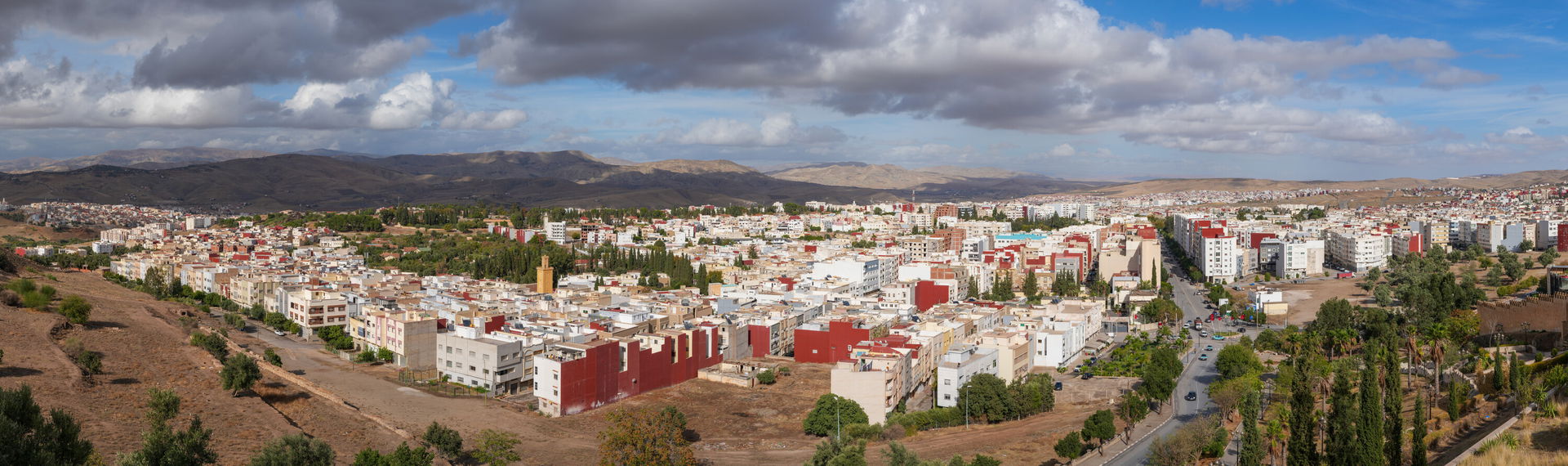
Morocco is a North African country situated along the Atlantic Ocean and Mediterranean Sea, strategically positioned at the northwestern edge of the African continent. With a population of approxim…
What it's like to live in Morocco· AI overview
Morocco is a North African country situated along the Atlantic Ocean and Mediterranean Sea, strategically positioned at the northwestern edge of the African continent. With a population of approximately 37 million, the nation blends rich historical h...
Your Morocco Roadmap
40+ page personal relocation analysis — visa path, tax strategy, neighbourhood guide, healthcare setup and more.
- ✓Visa & residency path
- ✓Tax optimisation
- ✓Neighbourhood guide
- ✓Healthcare & schools
- ✓Cost breakdown
With a safety index of 53/100, Morocco offers moderate safety conditions for expats and their families.
Morocco offers visa-free entry for citizens of over 70 countries, including the United States, United Kingdom, Canada, Australia, and many others, allowing stays of up to 90 days for tourism, business, or short-term visits. Passports must be valid for at least 6 months beyond the planned departure date from Morocco and have at least one blank page for entry stamps. Proof of sufficient funds, return/onward tickets, and accommodation may be requested at border control. Extensions for an additional 90 days...
Discover Cities in Morocco
View all cities in MoroccoCreate your free profile to see personalized match scores.
Morocco shows a purchasing power index of 49/100, indicating moderate economic conditions for expats.
GDP
$142.87B
Total economic output of the country
HDI
0.68
Medium human development
Quality of Life
50/100
Good quality of life — above global average
Purchasing Power
20/100
Weak purchasing power — salaries don't stretch far
Understanding the economic landscape is essential for evaluating living costs and opportunities in Morocco. This comprehensive overview covers key financial indicators including cost of living, housing markets, income levels, and fiscal policies that shape daily life and long-term financial planning.
Cost of Living Index
Morocco offers a very affordable cost of living with a Cost of Living Index (CPI) of 30. Read more
Housing Market
The housing market is considered expensive, with a Property Price to Income Ratio of 13. Read more
Average Income Levels
Purchasing power is low, indicated by a Purchasing Power Index of 49. Read more
Tax System
Morocco has a progressive personal income tax system with rates ranging from 10% to 38%, with the top rate expected to be 37% from 2025. Read more
Business Environment
Morocco's startup ecosystem is growing, ranked #88 globally in 2025 and #3 in Northern Africa. Read more
Social Security
Morocco operates a two-tiered healthcare system (public and private); while mandatory insurance (AMO) exists, public healthcare quality is generally low, leading many expats to opt for private insurance. Read more
Banking & Financial Safety
Deposits in Morocco are protected by a collective deposit guarantee fund managed by the Société Marocaine de Gestion des Fonds de Garantie des Dépôts Bancaires (SGFG), with a proposed coverage limit of MAD 120,000 per depositor. Read more
Tax information is currently being researched.
Climate
Morocco features diverse climates due to its varied geography, spanning Mediterranean coastal areas, Atlantic plains, continental interiors, rugged mountains, and arid southern deserts. Northern regions enjoy mild, wet winters and hot, dry summers typical of Mediterranean climates, while interiors experience greater temperature extremes.
Mediterranean, Arid steppe, Arid desert, Mediterranean mountain
25–40°C
5–18°C
3200+ hrs/yr
5 distinct climate regions — see full guide for details
Read full guideDemographics in Morocco
Ethnic Composition
Long-term Expat Guide in Morocco
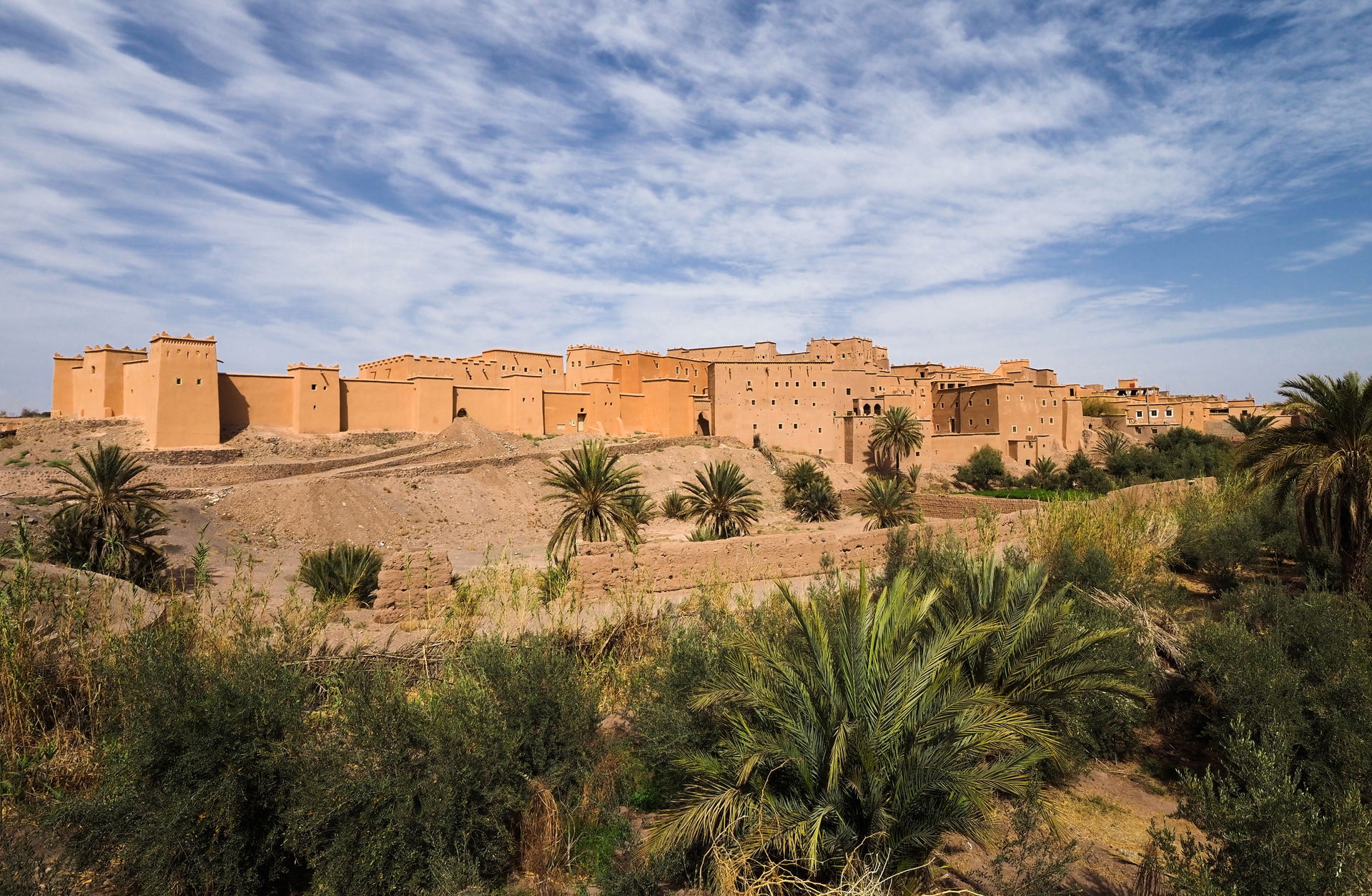
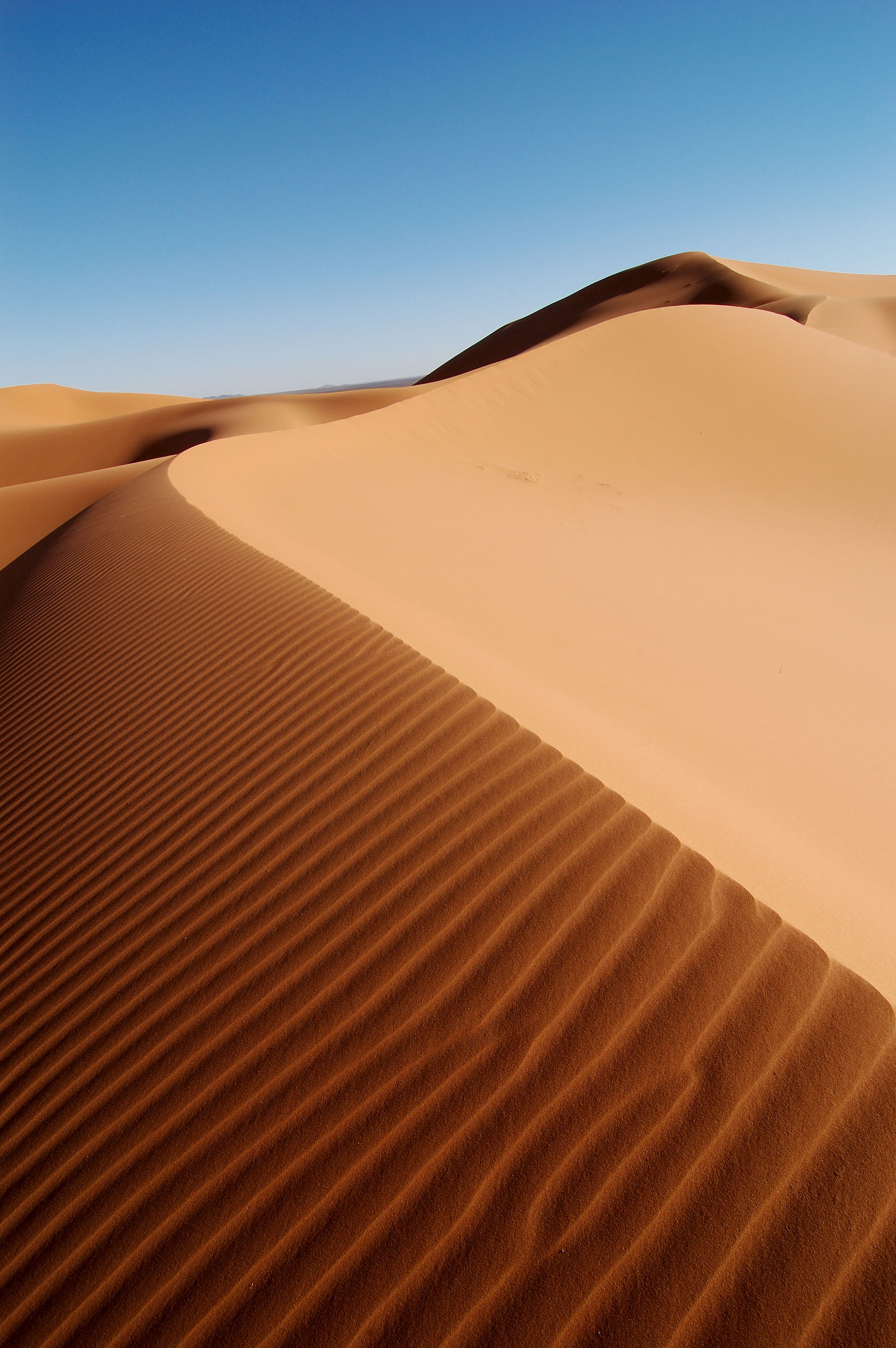
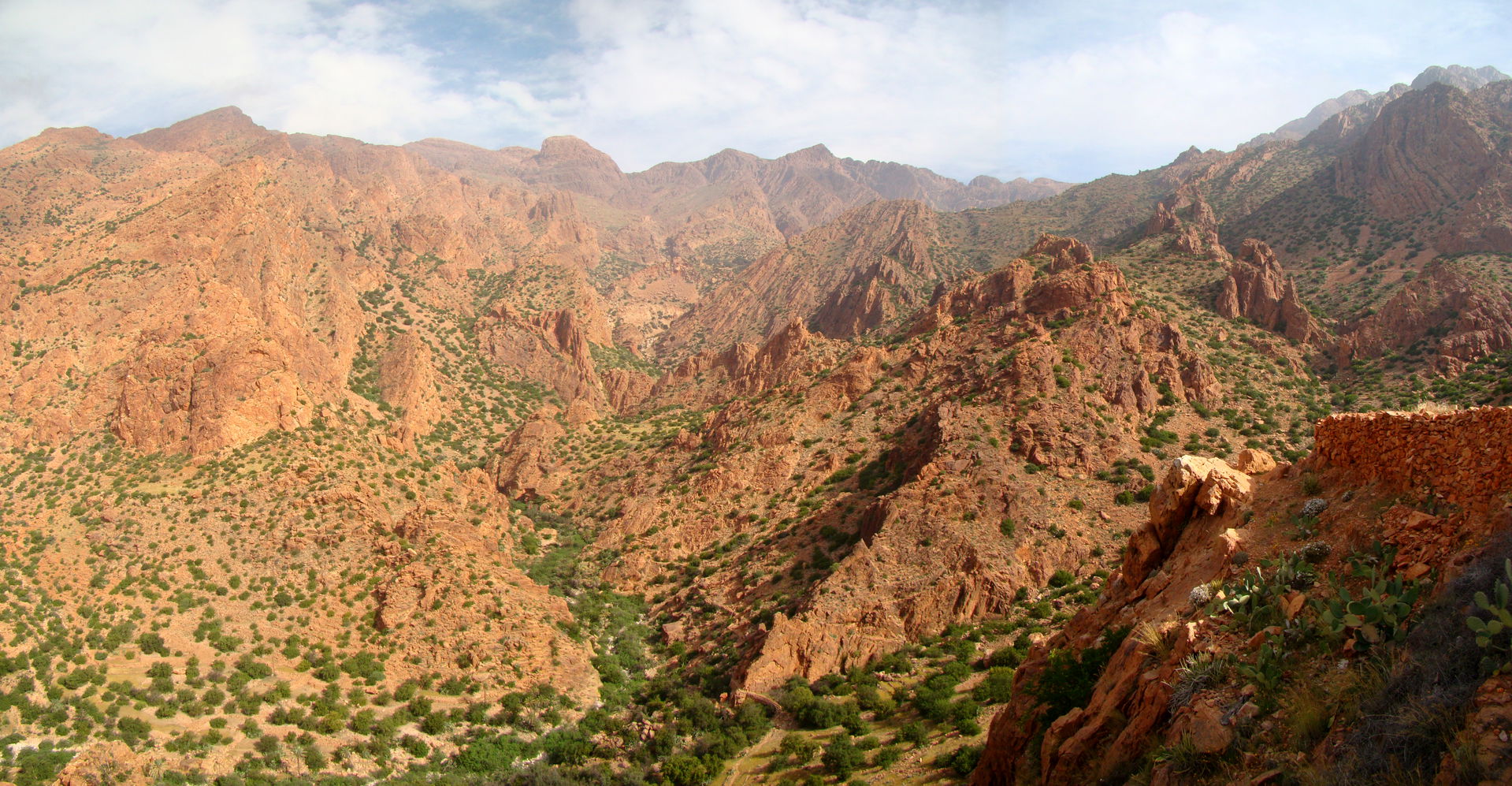
Gallery for Morocco
19 photosEconomic overview
Morocco offers a very affordable cost of living with a Cost of Living Index (CPI) of 30. The housing market is considered expensive, with a Property Price to Income Ratio of 13. Purchasing power is low, indicated by a Purchasing Power Index of 49.
Economy detailPurchasing power
Purchasing power is low, indicated by a Purchasing Power Index of 49. Morocco offers a very affordable cost of living with a Cost of Living Index (CPI) of 30.
Compare purchasing powerWork & Business
- Employment rate: 48.0%
- Salary range: MAD 180,000–MAD 420,000/year
- Startup ecosystem: 5.5/10
- Business registration: 1-2 weeks, MAD 10,000 min capital
- Top industries: Automotive Manufacturing, Renewable Energy & Green Hydrogen, Tourism & Hospitality, Technology & IT Services, Agriculture & Fishing
- No specific remote work legislation currently in place. Work arrangements determined by individua…
Healthcare in Morocco
Retirement & benefits
Transportation
Morocco boasts a rapidly evolving transportation landscape with Africa's first high-speed rail (Al Boraq) connecting Tangier and Casablanca, an extensive 57,000 km road network (60% paved), and ambitious expansions in highways, trams, and rail by 2040. Key strengths include modern highways and growing urban public transport in cities like Casablanca and Rabat, while challenges persist in rural connectivity and traffic congestion. With 43 airports including 18 major ones, residents and visitors enjoy diverse mobility options: reliable trains for intercity travel, buses and trams locally, and car rentals on the right-hand side.
Transportation guideLegal & Administrative in Morocco
Legal & Administrative in Morocco
Environment & Sustainability in Morocco
Morocco operates as a parliamentary constitutional monarchy under King Mohammed VI, who holds significant executive powers, with Prime Minister Aziz Akhannouch leading the government since 2021. The bicameral parliament has seen stable multiparty representation following 2021 elections, amid ongoing reforms for economic modernization and decentralization. Political stability persists despite constraints on civil liberties.
Ready to stop
browsing and start moving?
Generate a personalized relocation roadmap — visa path, 3 shortlisted cities, tax & timeline.
Data Source: Safety, crime, and quality metrics are sourced from Numbeo, a crowd-sourced global database of reported data.
All scores are relative comparisons on a 0-100 scale, where 50 = global average. Higher scores mean better than average, lower scores mean worse than average.


Social Integration
Social integration in Morocco presents moderate challenges for newcomers due to cultural norms, language barriers (Arabic and Berber dominant), and occasional anti-immigrant sentiment amid economic pressures. Government policies since 2013 aim to regularize migrants and provide access to services, fostering inclusion particularly in urban areas like Casablanca and Rabat. Expats find support in digital communities and cities, while locals emphasize hospitality but note social obstacles.
Social integration guideEnvironment & Sustainability
Morocco demonstrates strong climate performance, ranking 6th in the 2026 CCPI with very low per capita GHG emissions (2.7 tCO2e) and ambitious renewable energy targets of 52% by 2030. The country faces climate challenges including worsening droughts (86% of citizens report increased severity) and crop failures (65%), amid stable air quality trends. Morocco is advancing NDC 3.0, coal phase-out by 2040, and sustainable development as a regional leader, though fossil fuel dependence persists.
Environment guide
