This content was generated using artificial intelligence based on publicly available information. It is provided for general informational purposes only and does not constitute legal, tax, immigration, or professional advice. Information may be incomplete or outdated. Always verify with official sources before making decisions.
Data Source: Safety, crime, and quality metrics are sourced from Numbeo, a crowd-sourced global database of reported data.
All scores are relative comparisons on a 0-100 scale, where 50 = global average. Higher scores mean better than average, lower scores mean worse than average.
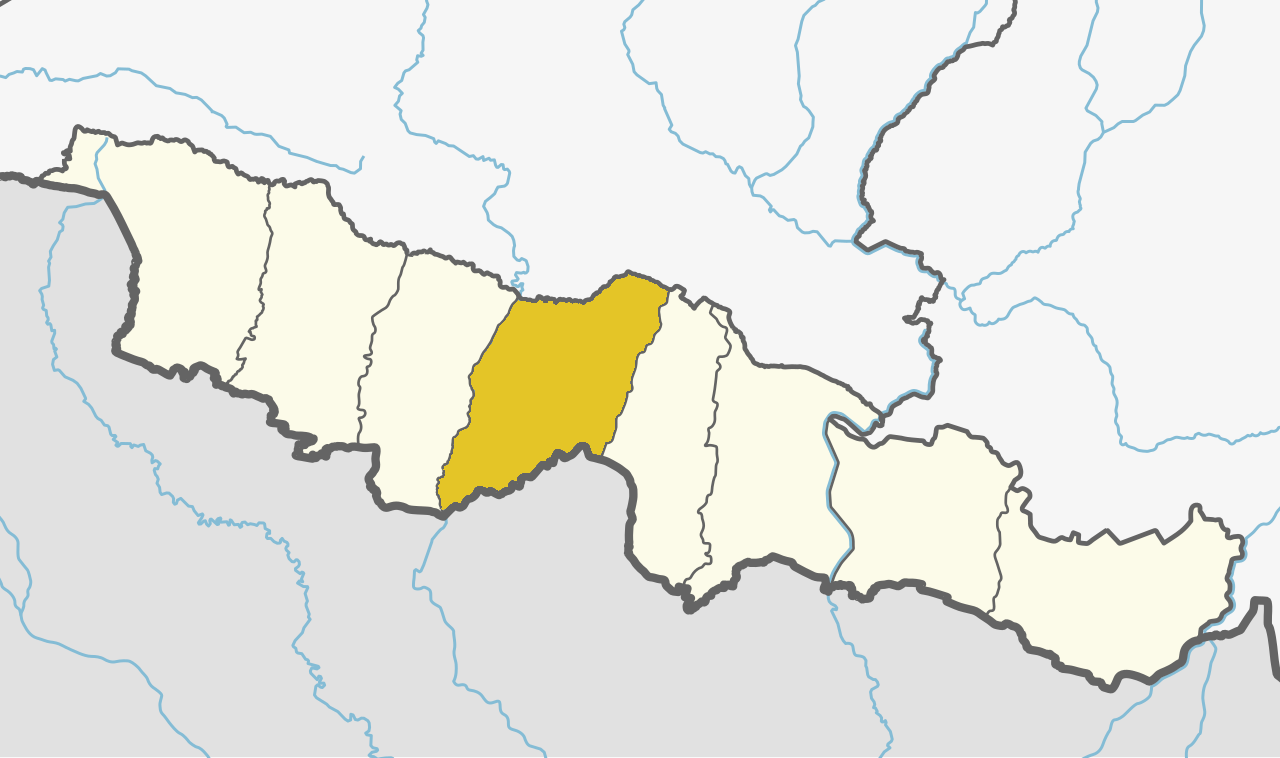
Sarlahi offers a deeply immersive experience into authentic Nepali life, far removed from typical expat hubs. Here, you'll find a slower pace and profound cultural engagement, ideal for those seeking genuine local connection rather than Western comforts.
While daily life is generally safe and public transport is functional, expect a more localized infrastructure. Healthcare, though accessible, may not always meet international standards, requiring adaptability. This destination suits independent expats ready to embrace a less conventional relocation, where the rewards are in cultural depth rather than established amenities.
Population
-
Area
38 km²
Density
-
Founded
-
Language
Nepali
Distance to Coast
614 km
Districts & Neighborhoods in Sarlahi
Loading districts…
Climate & Weather in Sarlahi
Sarlahi has a hot, humid tropical lowland climate with strong monsoon seasonality, best classified as Tropical Monsoon (Köppen Am). Most rainfall falls from June to September, while the rest of the year is much drier, and average annual precipitation in the south-central plains of Nepal is typically around 1,500–2,000 mm. Current conditions in the low 30s with overcast skies are consistent with the district’s warm pre-monsoon to monsoon-season weather.
Summer Average
32°C
Winter Average
18°C
Climate Type
Tropical Monsoon
Rainy Days
110
Sunny Days
240
Humidity
75%
Spring
March - May
24-36°C
Hot and increasingly humid conditions develop quickly, with rising temperatures before the monsoon onset. Late spring often brings thunderstorms and occasional pre-monsoon showers.
Moderate rainfall
Summer
June - August
27-33°C
This is the wettest period of the year, dominated by the southwest monsoon. Rainfall is frequent and heavy, with cloudy skies and high humidity common.
Very High rainfall
Autumn
September - November
20-31°C
Temperatures gradually ease after the monsoon, and skies become clearer in October and November. Rainfall drops sharply, especially after September.
Moderate rainfall
Winter
December - February
8-24°C
Winters are mild to cool by Nepal lowland standards, with dry conditions and comfortable daytime temperatures. Nights and early mornings can feel noticeably cooler, but hard frost is uncommon in most of the district.
Low rainfall
Loading Weather...
Air Quality
Sarlahi
Advantages
Sarlahi
Abundant green spaces
Strong agricultural heritage
Close-knit community bonds
Affordable cost of living
Rich cultural traditions
Disadvantages
Sarlahi
Limited higher education options
Few employment opportunities
Poor infrastructure development
Inadequate healthcare facilities
Limited entertainment activities
Safety & Security in Sarlahi
Overall Safety Score
Includes resilience and environmental factors
Moderate
49
/100
Nepal Avg
55
Asia Avg
56
Worldwide Avg
56
Crime & Safety Metrics
Thermometer compares Sarlahi to Nepal averages using different marker styles.Compare:
Sarlahi
Nepal Average
No city-specific data available — showing Nepal country averages instead.
Safety Index
0510
Moderate
Safety from Crime
0510
Moderate
Safe Alone (Day)
0510
Good
Safe Alone (Night)
0510
Moderate
Safety from Violent Crime
0510
Moderate
Safety from Property Crime
0510
Moderate
Environmental & Natural Hazard Risks
Resilience Score: 80/100
No data for Sarlahi — showing hazard indicators from nearby Birgunj (Birganj) (~69 km).