


Destino excelente
Destino excelente
Índice de calidad de vida sobre 100

Netherlands
Dutch
Netherlands
Netherlands delivers top-tier quality of life—212 index—with below-average costs, sky-high purchasing power, and the 30% tax ruling welcoming skilled expats.
Cómo es vivir en Netherlands
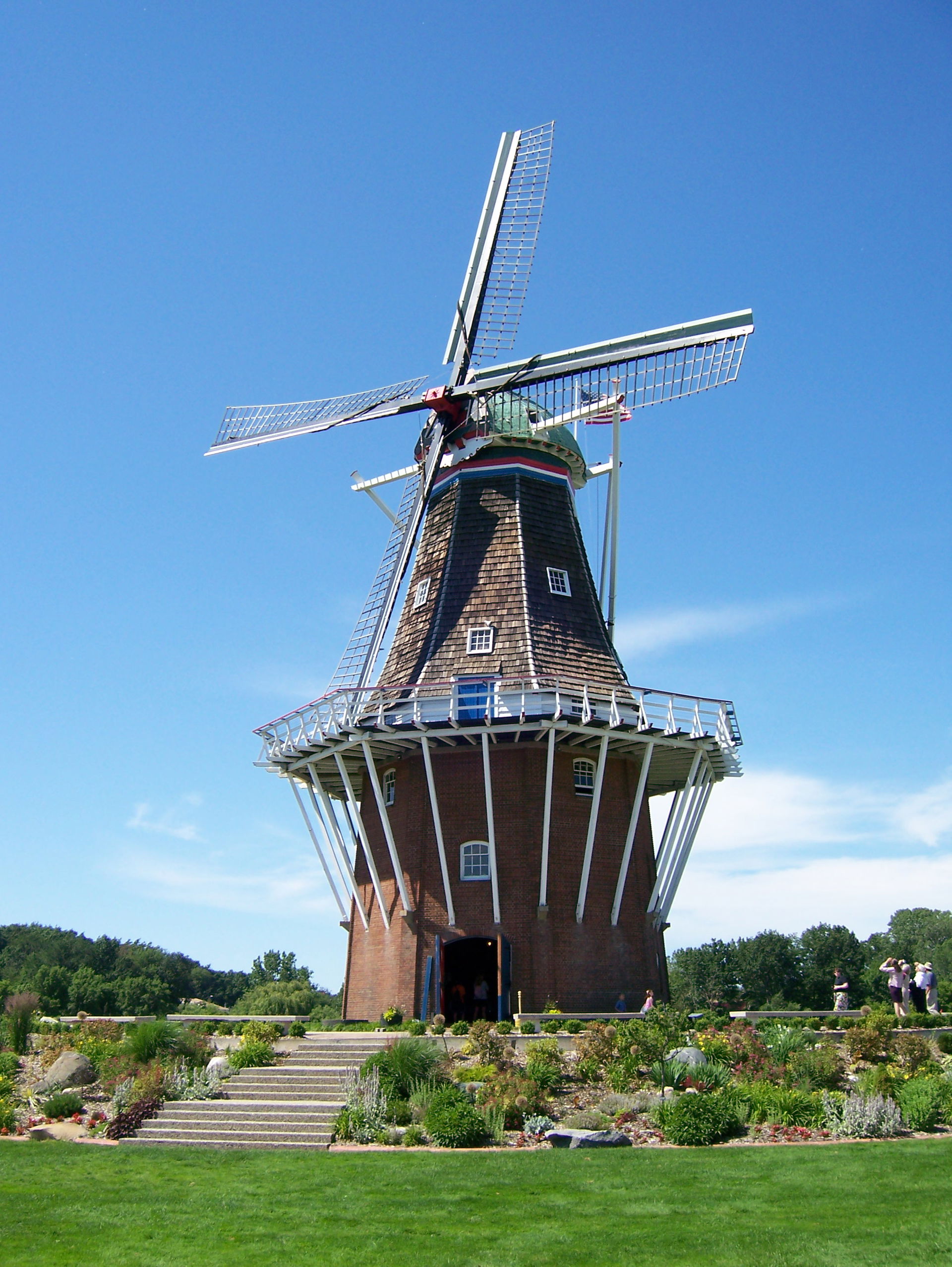
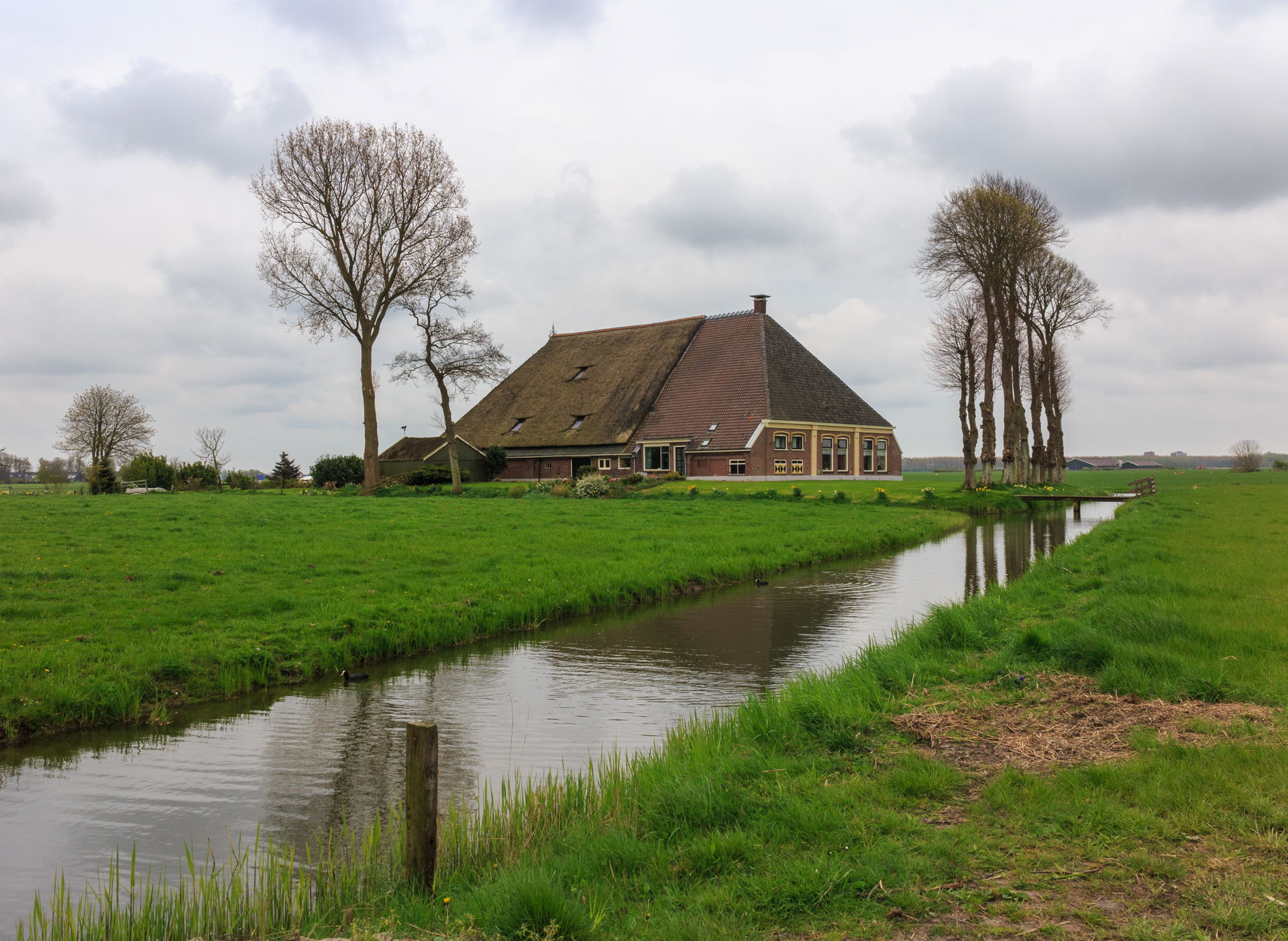
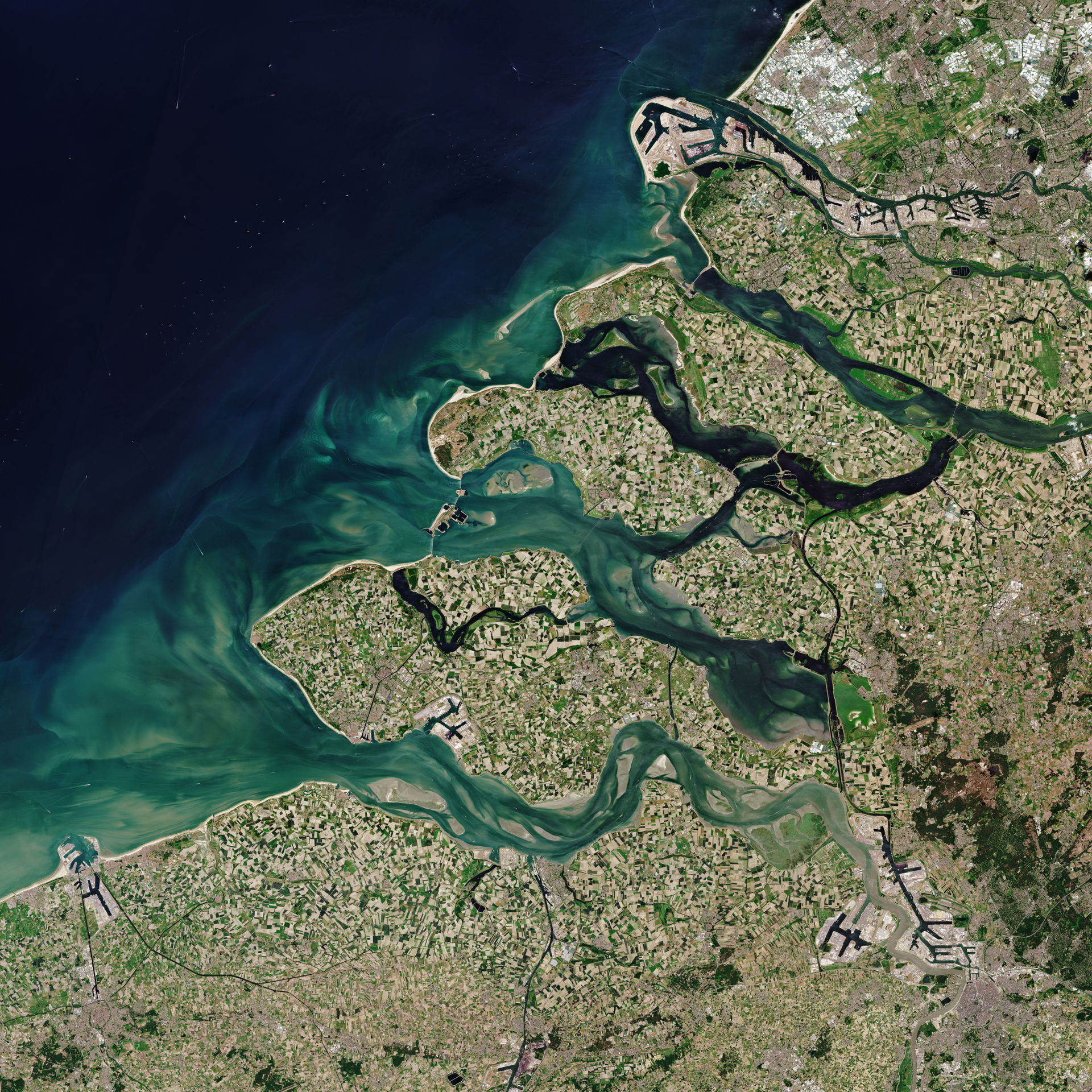
The Netherlands is a European country renowned for its distinctive geography characterized by extensive low-lying terrain, much of which lies at or below sea level. Approximately one-third of the country is below sea level, protected by an intricate...
Tu hoja de ruta para Netherlands
Análisis personal de reubicación de más de 40 páginas — vía de visado, estrategia fiscal, guía de barrios, configuración sanitaria y mucho más.
- ✓Vía de visado y residencia
- ✓Optimización fiscal
- ✓Guía de barrios
- ✓Sanidad y colegios
- ✓Desglose de costes
Healthcare
- Healthcare in the Netherlands is based on a mandatory health insurance system, requiring all legal residents, including most expats, to obtain a basic health insurance policy (basisverzekering) within four months of registering their address.
- The system blends public and private elements; while insurance is mandatory and provided by private companies, the basic package and its coverage are government-regulated, ensuring universal access to essential care.
- Expats must register with a local General Practitioner (GP or 'huisarts'), who acts as the primary gatekeeper for all non-emergency medical care, including referrals to specialists and hospitals.
The Netherlands, as part of the Schengen Area, allows citizens of approximately 59 visa-exempt countries—including the United States, United Kingdom, Canada, Australia, New Zealand, Japan, and most Latin American nations—to enter without a visa for short stays of up to 90 days within any 180-day period across all 29 Schengen countries. This is the standard Schengen 90/180 rule, calculated cumulatively. Passport requirements are strict: must be issued within the last 10 years from entry date and valid for at least...
Descubre ciudades en Netherlands
Ver todas las ciudades en NetherlandsCrea tu perfil gratuito para ver puntuaciones de compatibilidad personalizadas.


Travel advisories, hazards, and conflict indicators
Cost of living, housing, income, and purchasing power overview
Income tax, corporate tax, and fiscal overview
Job market, business environment, and work permits
International schools, universities, and curricula
Pension, retirement pathways, and financial planning
Seasonal temperatures, rainfall, and sunshine hours
Country photos and landscapes
Population, languages, and ethnic composition
Day-to-day expat life and practical tips
Public transit, airports, and getting around
Residency, property ownership, and legal framework
Air quality, green spaces, and sustainability
Political system, government structure, and key policies
Location overview, cost of living index, and purchasing power
Economic and geographic overview at a glance
Community perspectives and expat experiences
Ready to stop
browsing and start moving?
Generate a personalized relocation roadmap — visa path, 3 shortlisted cities, tax & timeline.
This content was generated using artificial intelligence based on publicly available information. It is provided for general informational purposes only and does not constitute legal, tax, immigration, or professional advice. Information may be incomplete or outdated. Always verify with official sources before making decisions.
Fuente de datos: Las métricas de seguridad, criminalidad y calidad provienen de Numbeo, una base de datos global de datos reportados por la comunidad.
Todas las puntuaciones son comparaciones relativas en una escala de 0-100, donde 50 = promedio global. Puntuaciones más altas significan mejor que el promedio, puntuaciones más bajas significan peor que el promedio.
Community, cultural integration, and expat life