This content was generated using artificial intelligence based on publicly available information. It is provided for general informational purposes only and does not constitute legal, tax, immigration, or professional advice. Information may be incomplete or outdated. Always verify with official sources before making decisions.
Data Source: Safety, crime, and quality metrics are sourced from Numbeo, a crowd-sourced global database of reported data.
All scores are relative comparisons on a 0-100 scale, where 50 = global average. Higher scores mean better than average, lower scores mean worse than average.
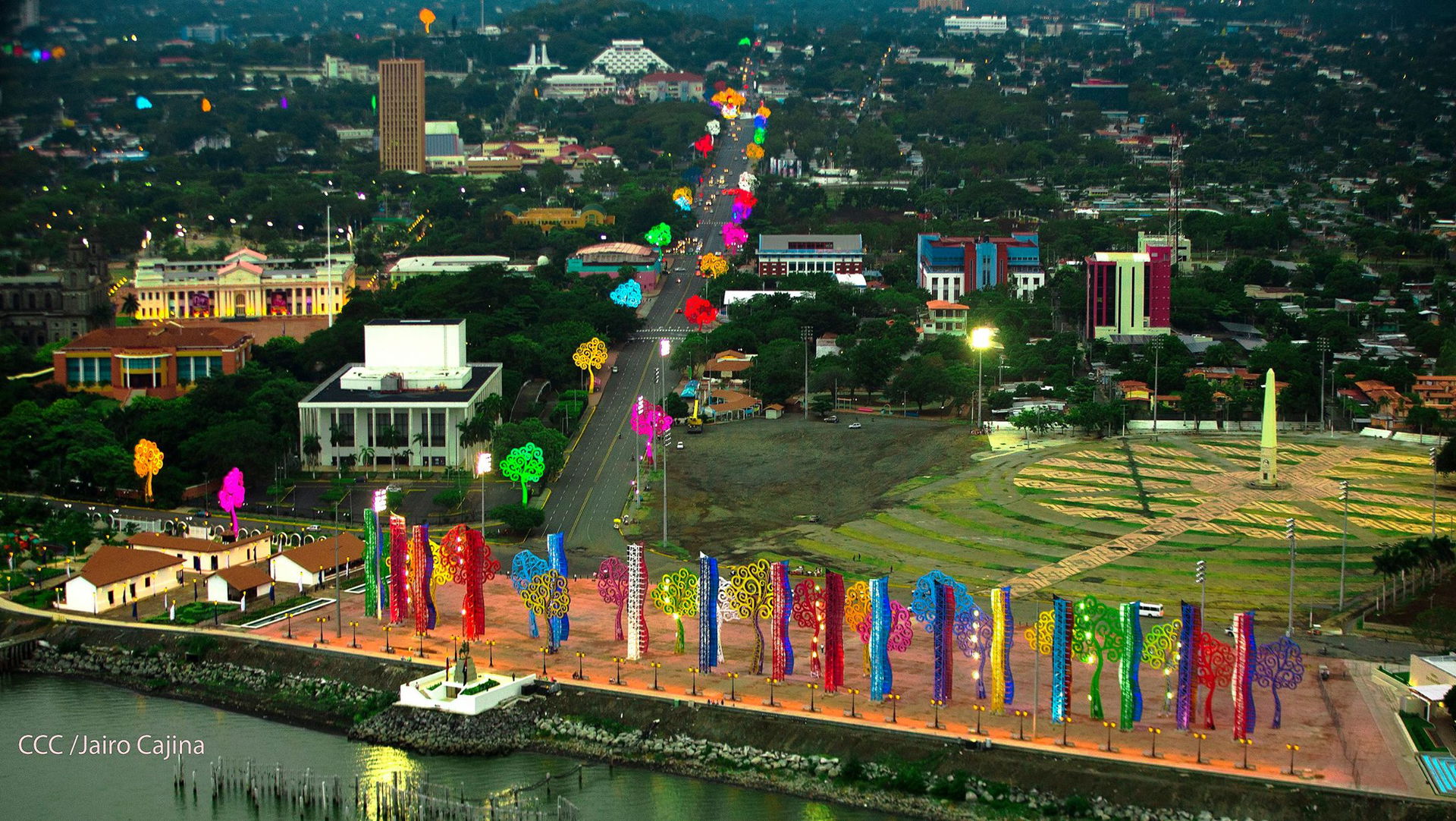
Managua offers a raw, high-energy alternative for those seeking an authentic Central American lifestyle far removed from the polished expat bubbles of Costa Rica. It serves as a strategic hub for professionals, providing a gateway to the country’s volcanic landscapes and colonial charm while maintaining a significantly lower cost of living than most regional capitals.
While the city provides reliable healthcare and decent transit for a developing capital, life here requires a certain level of adaptability. You will find a vibrant, unpretentious atmosphere, but you must be prepared to navigate a more chaotic urban environment and a landscape where safety and infrastructure demand constant, mindful awareness.
Managua has a tropical savanna climate (Köppen Aw) with consistently warm temperatures year-round and a pronounced dry season from roughly December to April. Rainfall is concentrated in the wet season from May to November, while humidity is generally moderate to high but lower than in many other tropical coastal locations.
Summer Average
29°C
Winter Average
26°C
Climate Type
Tropical savanna
Rainy Days
110
Sunny Days
250
Humidity
70%
Spring
March - May
27-34°C
Spring is very warm to hot, with the driest conditions in March and April and the onset of rains in May. Days are often sunny and dry early in the season, then become more humid and unsettled toward late May.
Low rainfall
Summer
June - August
26-31°C
Summer is part of the rainy season, with frequent showers and periods of cloudy weather. Temperatures remain warm, but rain helps moderate the heat compared with the peak dry-season months.
High rainfall
Autumn
September - November
25-30°C
Autumn is typically the wettest part of the year, especially in September and October. Conditions are humid and overcast more often, with rainfall gradually easing by November.
High rainfall
Winter
December - February
24-29°C
Winter is the dry season and the most stable time of year, with lots of sunshine and very little rainfall. Nights are a bit cooler, but the climate stays warm overall.
Very Low rainfall
Loading Weather...
Air Quality
Managua
Advantages
Managua
Abundant parks and green spaces
Diverse educational institutions available
Affordable cost of living
Tropical climate year-round
Growing business opportunities
Disadvantages
Managua
Limited job opportunities
Inadequate public infrastructure
High crime rates
Poor education quality
Traffic congestion issues
Safety & Security in Managua
Overall Safety Score
Includes resilience and environmental factors
Moderate
59
/100
Nicaragua Avg
56
North America Avg
57
Worldwide Avg
57
Crime & Safety Metrics
Thermometer compares Managua to Nicaragua averages using different marker styles.Compare: