This content was generated using artificial intelligence based on publicly available information. It is provided for general informational purposes only and does not constitute legal, tax, immigration, or professional advice. Information may be incomplete or outdated. Always verify with official sources before making decisions.
Data Source: Safety, crime, and quality metrics are sourced from Numbeo, a crowd-sourced global database of reported data.
All scores are relative comparisons on a 0-100 scale, where 50 = global average. Higher scores mean better than average, lower scores mean worse than average.
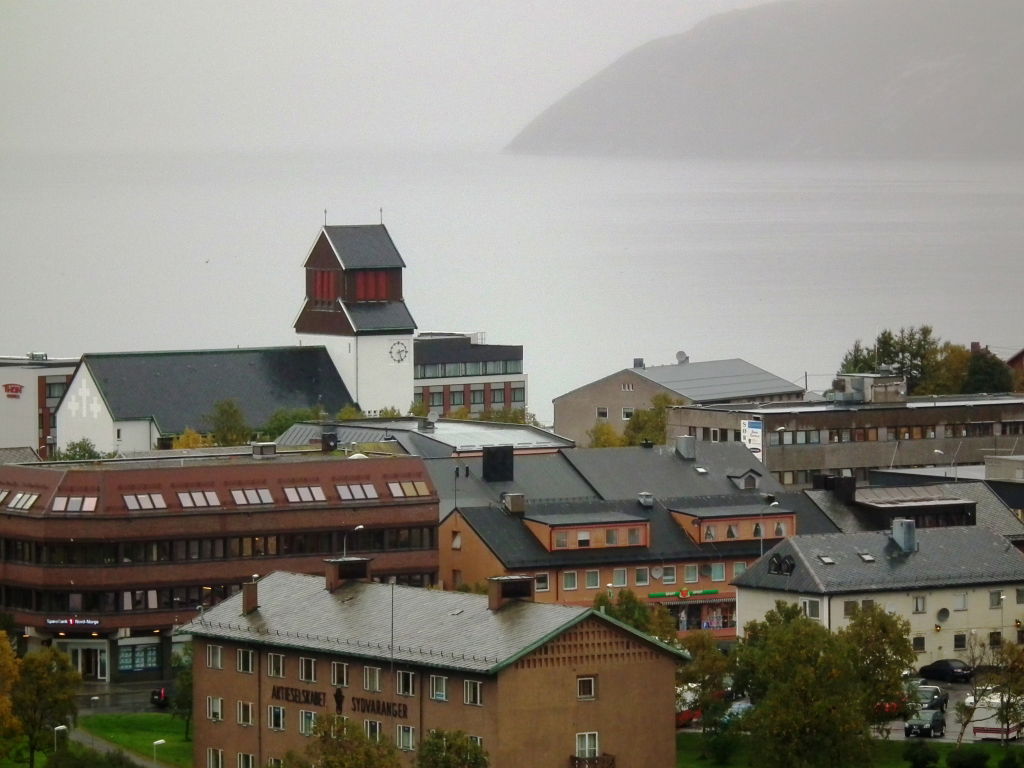
Kirkenes offers a rugged, frontier lifestyle for those drawn to Arctic nature and a quiet, community-driven pace. It is an ideal outpost for professionals seeking stability in a safe, high-functioning environment where healthcare and public services are reliable. Life here is defined by dramatic seasonal shifts and a close-knit social fabric that rewards proactive integration.
However, relocation requires a mindset shift: the small population means limited professional networking and a much narrower social circle than southern Norway. While the quality of life is high, you must be comfortable with the isolation and the logistical realities of living in a remote, subarctic outpost.
Population
3,282
Area
0.00 km²
Density
1,526,511,628 per km²
Founded
-
Language
Norwegian Nynorsk, Norwegian Bokmål, Sami
Distance to Coast
1 km
Districts & Neighborhoods in Kirkenes
Loading districts…
Climate & Weather in Kirkenes
Kirkenes has a **subarctic (Dfc)** climate with long, cold winters and short, cool summers. Average January temperatures are around -10°C and July averages peak near 12.7°C, while annual precipitation is moderate at roughly 460–577 mm and humidity is typically high for the region. The city is more continental than much of coastal Norway, with many overcast days and a limited number of sunny days each year.
Summer Average
13°C
Winter Average
-11°C
Climate Type
Subarctic
Rainy Days
136
Sunny Days
128
Humidity
79%
Spring
March - May
-5-7°C
Spring arrives slowly, with cold nights in March and a gradual thaw through April and May. Conditions are often brisk, damp, and still changeable, with snow possible early in the season.
Moderate rainfall
Summer
June - August
10-16°C
Summer is short, cool, and often cloudy, with July usually the warmest month. Mild daytime temperatures and long daylight hours make this the most comfortable period for outdoor activities.
Moderate rainfall
Autumn
September - November
-1-11°C
Autumn cools quickly, with September still mild but November often well below freezing. Rain and wind increase as daylight declines, and early snow is common by late autumn.
Moderate rainfall
Winter
December - February
-16--8°C
Winter is long, freezing, and snowy, with frequent overcast conditions. Temperatures commonly stay below zero, and cold spells can be severe, especially in January and February.
Low rainfall
Loading Weather...
Air Quality
Kirkenes
Advantages
Kirkenes
Northern lights viewing paradise
Pristine Arctic wilderness access
Close-knit tight community
Unique cultural crossroads location
Eight quality schools available
Disadvantages
Kirkenes
Extreme isolation and remoteness
Very limited job opportunities
Harsh Arctic weather conditions
Minimal nightlife and activities
No higher education institutions
Safety & Security in Kirkenes
Overall Safety Score
Includes resilience and environmental factors
Excellent
80
/100
Norway Avg
60
Europe Avg
58
Worldwide Avg
56
Crime & Safety Metrics
Thermometer compares Kirkenes to Norway averages using different marker styles.Compare:
Kirkenes
Norway Average
Safety Index
0510
Excellent
Safety from Crime
0510
Very Safe
Safe Alone (Day)
0510
Excellent
Safe Alone (Night)
0510
Excellent
Safety from Violent Crime
0510
Very Safe
Safety from Property Crime
0510
Very Safe
Environmental & Natural Hazard Risks
Resilience Score: 85/100
No data for Kirkenes — showing hazard indicators from nearby Murmansk (~146 km).