This content was generated using artificial intelligence based on publicly available information. It is provided for general informational purposes only and does not constitute legal, tax, immigration, or professional advice. Information may be incomplete or outdated. Always verify with official sources before making decisions.
Data Source: Safety, crime, and quality metrics are sourced from Numbeo, a crowd-sourced global database of reported data.
All scores are relative comparisons on a 0-100 scale, where 50 = global average. Higher scores mean better than average, lower scores mean worse than average.
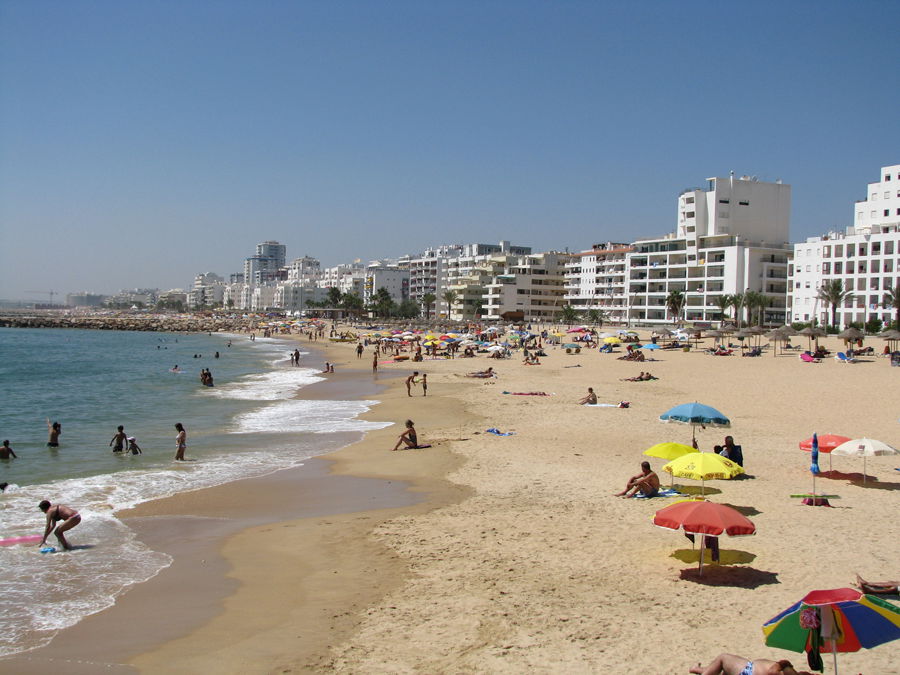
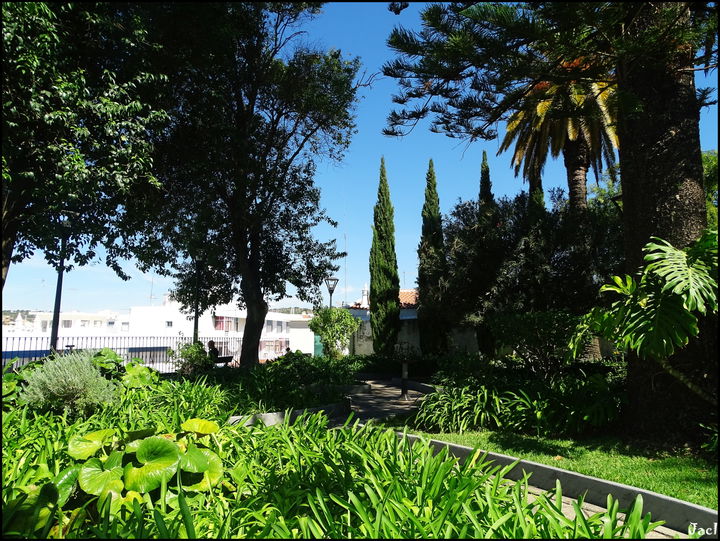
Faro offers a compelling blend of laid-back Algarve lifestyle and affordable Mediterranean living, making it an attractive hub for expats seeking quality of life without urban intensity. The city provides a gentle entry point to Portugal, with reasonable living costs, reliable healthcare, and a walkable urban core that balances historic charm with modern convenience. While smaller than Lisbon and less cosmopolitan, Faro compensates with authentic Portuguese character, proximity to stunning coastlines, and a welcoming community that's increasingly international. Newcomers should be prepared for a slower administrative pace and limited job markets outside tourism and remote work, but those valuing quality of life over career acceleration will find significant appeal.
Faro has a Mediterranean climate (Köppen Csa/Csb transition, with hot, dry summers and mild, wetter winters) typical of southern Portugal. Long-term climate descriptions for the city show summers that are warm, mostly clear, and dry, while winter is cooler, windier, and the main rainy season. The current warm, moderately humid weather is consistent with Faro's coastal southern climate.
Summer Average
26°C
Winter Average
12°C
Climate Type
Mediterranean
Rainy Days
55
Sunny Days
300
Humidity
68%
Spring
March - May
15-22°C
Spring is mild and increasingly sunny, with temperatures rising steadily through the season. Rainfall decreases compared with winter, though occasional showers still occur.
Moderate rainfall
Summer
June - August
24-30°C
Summer is hot, dry, and mostly sunny, with many clear days and limited rainfall. Coastal influence helps moderate extremes, but afternoons can still feel warm and humid.
Low rainfall
Autumn
September - November
17-24°C
Autumn stays warm early on, then becomes cooler and wetter as the season progresses. Rainfall increases noticeably from October onward.
Moderate rainfall
Winter
December - February
8-15°C
Winter is mild by European standards, with cool temperatures, cloudier skies, and the highest likelihood of rain. Frost and snow are very rare.
Moderate rainfall
Loading Weather...
Air Quality
Faro
Advantages
Faro
Gateway to Algarve beaches
Mild year-round climate
Affordable Mediterranean lifestyle
Rich historical heritage
Relaxed Portuguese culture
Disadvantages
Faro
Seasonal tourism economy
Limited job opportunities
Remote from major cities
Low average salaries
Limited public transportation
Safety & Security in Faro
Overall Safety Score
Includes resilience and environmental factors
Good
66
/100
Portugal Avg
64
Europe Avg
58
Worldwide Avg
56
Crime & Safety Metrics
Thermometer compares Faro to Portugal averages using different marker styles.Compare:
Faro
Portugal Average
Safety Index
0510
Good
Safety from Crime
0510
Safe
Safe Alone (Day)
0510
Good
Safe Alone (Night)
0510
Moderate
Safety from Violent Crime
0510
Safe
Safety from Property Crime
0510
Moderate
Environmental & Natural Hazard Risks
Resilience Score: 72/100
No data for Faro — showing hazard indicators from nearby Huelva (~92 km).