This content was generated using artificial intelligence based on publicly available information. It is provided for general informational purposes only and does not constitute legal, tax, immigration, or professional advice. Information may be incomplete or outdated. Always verify with official sources before making decisions.
Data Source: Safety, crime, and quality metrics are sourced from Numbeo, a crowd-sourced global database of reported data.
All scores are relative comparisons on a 0-100 scale, where 50 = global average. Higher scores mean better than average, lower scores mean worse than average.
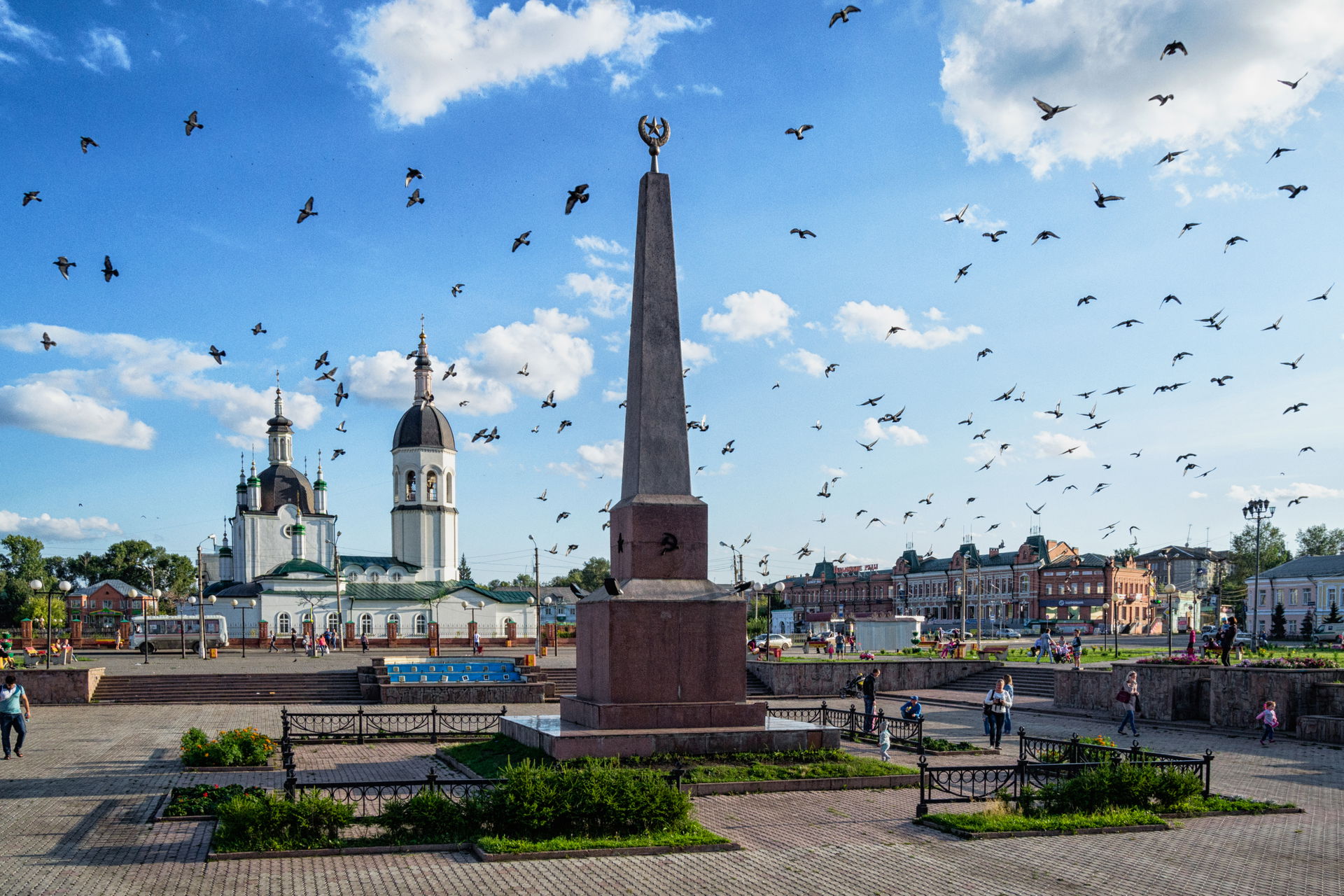
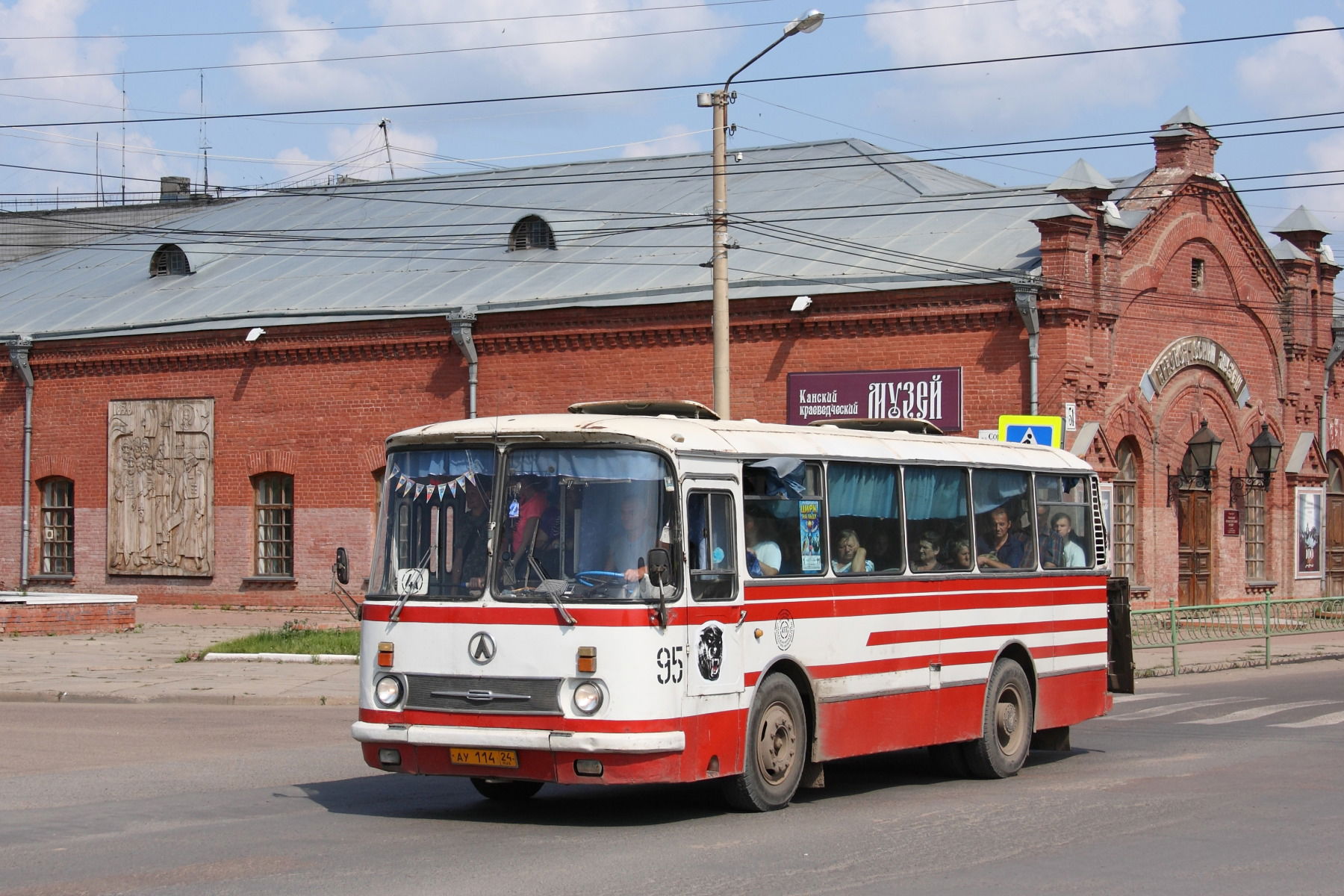
Kansk offers a grounded, no-frills Russian city experience with reliable public transport, accessible healthcare, and a noticeable sense of safety—rare for a place of its size. Daily life moves at a manageable pace, and housing costs are low by international standards, making it feasible for those prioritizing affordability and stability over cosmopolitan amenities.
It’s not a hub for expats, and there’s little infrastructure tailored to foreigners. Language barriers and limited international services mean you’ll need patience and adaptability. If you value quiet routine and want to live simply within authentic Siberian surroundings, Kansk may quietly surprise you.
Population
101,502
Area
49 km²
Density
2,063 per km²
Founded
-
Language
Russian
Distance to Coast
3293 km
Districts & Neighborhoods in Kansk
Loading districts…
Climate & Weather in Kansk
Kansk has a strongly continental climate with a long, very cold winter and a short, warm summer. Its Köppen classification is best described as subarctic, with January temperatures around -17°C and July around 20°C, and moderate annual precipitation concentrated in the warmer months. The current overcast, humid weather is consistent with variable summer conditions, but long-term averages are much colder in winter than the present reading suggests.
Summer Average
20°C
Winter Average
-17°C
Climate Type
Subarctic
Rainy Days
90
Sunny Days
220
Humidity
68%
Spring
March - May
-5-15°C
Spring arrives slowly, with cool to mild temperatures and a rapid transition from snow cover to wetter, thawing conditions. Late spring becomes noticeably warmer and more unsettled.
Moderate rainfall
Summer
June - August
15-25°C
Summer is short but can be pleasantly warm, with July usually the warmest month and average temperatures near 20°C. Rainfall is moderate and tends to peak in late spring and summer.
Moderate rainfall
Autumn
September - November
-5-15°C
Autumn cools quickly, with frosty nights arriving early and temperatures dropping steadily through the season. Cloudier days and increasing cold are typical as winter approaches.
Low rainfall
Winter
December - February
-30--10°C
Winter is long, snowy, and severe, with persistent subzero temperatures and frequent deep freezes. January is usually the coldest month, averaging about -17°C.
Low rainfall
Loading Weather...
Air Quality
Kansk
Advantages
Kansk
Abundant green spaces
Affordable cost of living
Strong community spirit
Strategic railway hub
Peaceful small-city lifestyle
Disadvantages
Kansk
Limited job opportunities
Harsh winter climate
Few entertainment options
Aging infrastructure
Limited higher education
Safety & Security in Kansk
Overall Safety Score
Includes resilience and environmental factors
Moderate
55
/100
Russia Avg
56
Asia Avg
57
Worldwide Avg
56
Crime & Safety Metrics
Thermometer compares Kansk to Russia averages using different marker styles.Compare:
Kansk
Russia Average
No city-specific data available — showing Russia country averages instead.
Safety Index
0510
Moderate
Safety from Crime
0510
Moderate
Safe Alone (Day)
0510
Good
Safe Alone (Night)
0510
Moderate
Safety from Violent Crime
0510
Safe
Safety from Property Crime
0510
Moderate
Environmental & Natural Hazard Risks
Resilience Score: N/A
Data Currently Under Investigation
Environmental risk assessments are being researched. The indicators below show what data will be available soon.