Narodna Banka Slovenska - National Bank of Slovakia
Topographic map of Slovakia (English description)
Palcmanská Maša reservoir (okres Rožňava) from road 67
This media shows the protected monument with the number 802-111…
Taking this photo was made possible through the financial suppo…
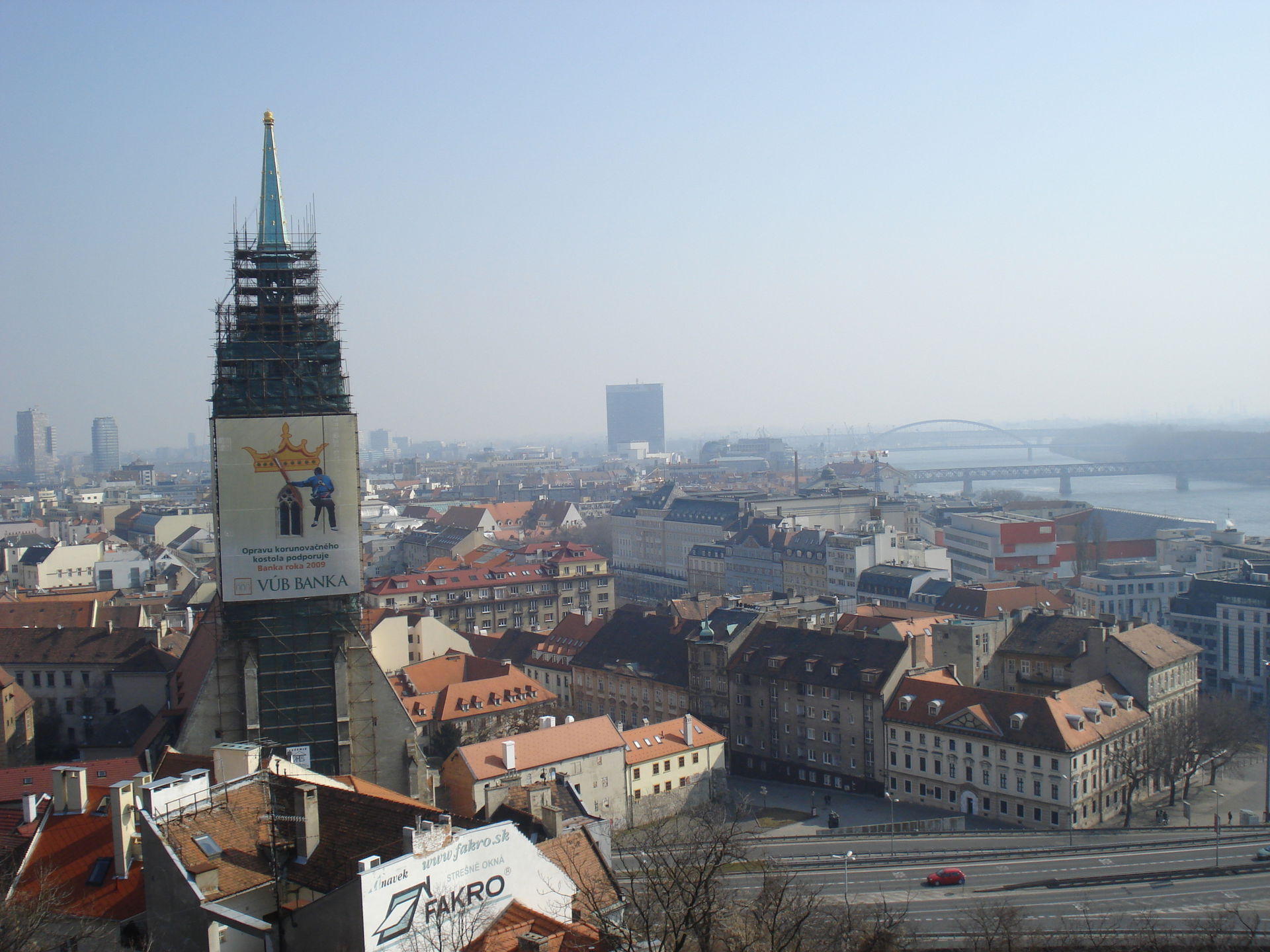
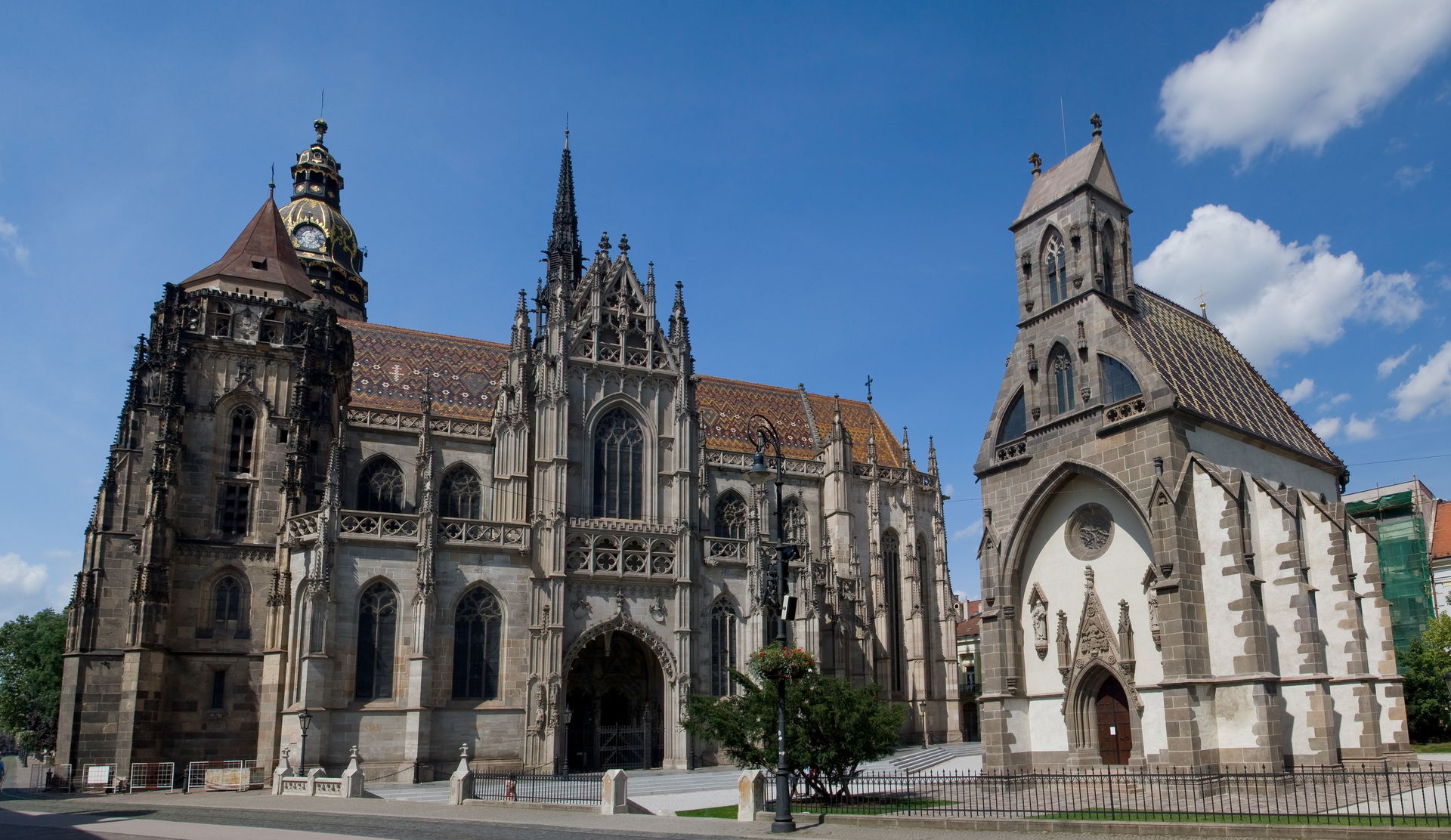
View of a part of Bratislava,  Slovak republic.
UN MemberVisa-free · 90 daysPop. 5.5M
NestFainder ScoreAI
70/ 100

Great fit

Quality of life index out of 100
A−Cost
A−Safety
AClimate
A−HDI
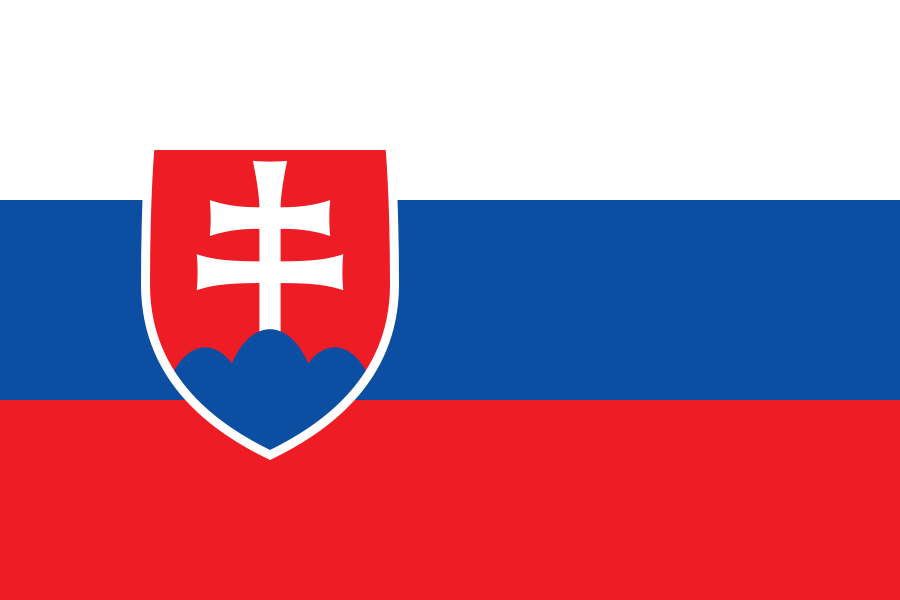
Slovakia flag

Slovakia

Białka, Danube, Dunajec, Ipoly, Morava, Orava, Poprad, Tisza, Váh · Slovak

Slovakia

Slovakia is a landlocked Central European country situated in the heart of the Carpathian region, bordered by five nations: Austria, Hungary, Poland, Ukraine, and the Czech Republic. With its capit…

See how Slovakia matches your profile
CLIMATE
Białka, Danube, Dunajec,…
25°C avg · 2200h sun/yr
CURRENCY
EUR €
LANGUAGE
Slovak
SAFETY
Safe
#1 globally · Safety index 69/100
COST OF LIVING
Moderate
Cost index 48/100
TIME ZONE
GMT+1 / GMT+2
UTC+1 / +2 · 2h ahead

What it's like to live in Slovakia· AI overview

Slovakia is a landlocked Central European country situated in the heart of the Carpathian region, bordered by five nations: Austria, Hungary, Poland, Ukraine, and the Czech Republic. With its capital in Bratislava, the country covers approximately 49...

Cost of living
vs EU AverageSimilar cost of living
1-bed apartment, city
€725Apartment (1 bedroom) in City…
Dinner for two
€10.50Meal, Inexpensive Restaurant
Monthly groceries
€1.12Milk (regular), (1 liter)
Public transit (month)
€1.13One-way Ticket (Local Transpo…
Read the full cost-of-living guide
★ Professional

Your Slovakia Roadmap

40+ page personal relocation analysis — visa path, tax strategy, neighbourhood guide, healthcare setup and more.

€29one-time report
  • Visa & residency path
  • Tax optimisation
  • Neighbourhood guide
  • Healthcare & schools
  • Cost breakdown

With a safety index of 69/100, Slovakia offers good safety conditions for expats and their families.

Entry Requirements & Visa Options

Slovakia, as a Schengen Area member, allows visa-free entry for citizens of over 60 countries, including the United States, Canada, United Kingdom, Australia, and many others, for short-term stays of up to 90 days within any 180-day period for tourism, business, or family visits. Travelers must possess a passport valid for at least 3 months beyond the planned departure from the Schengen Area and issued within the last 10 years, plus proof of sufficient funds, return/onward tickets, and accommodation if...

Visa-free entry: 90 days
Digital Nomad Visa available
Read full guide

Slovakia shows a purchasing power index of 81/100, indicating excellent economic conditions for expats.

Economic OverviewSlovakia

GDP

$115.47B

HDI

0.8

Quality of Life

70/100

+27 vs NYC

Purchasing Power

34/100

-8 vs NYC

Understanding the economic landscape is essential for evaluating living costs and opportunities in Slovakia. This comprehensive overview covers key financial indicators including cost of living, housing markets, income levels, and fiscal policies that shape daily life and long-term financial planning.

Comparison data legendCompare:
Slovakia
Continent Avg

Cost of Living Index

0510
High

Affordable costs (CPI: 49.2). Groceries (49.8), restaurants (43.0), and rent (16.3) are low compared to Western Europe, with regional variations in major cities.

Housing Market

0510
Poor

Property prices average 12.5 years of household income. Rentals remain affordable (index: 16.3), but residential construction demand is low due to affordability issues.

Average Income Levels

0510
Poor

Purchasing power index of 81.5 indicates below-average buying power. Average wages around €1524 monthly in 2024, with real wage recovery ongoing.

Tax System

0510
Moderate

Flat income tax at 19% for most earners, 25% above €49,790 (2024). VAT standard rate 20%, reduced 10% on food; progressive elements and fiscal consolidation ongoing.

Business Environment

0510
Good

Ranked 45th in World Bank Ease of Doing Business (legacy). Strong automotive sector, FDI inflows €4.6bn in 2024, but bureaucracy and US tariff risks persist.

Social Security

0510
Good

Universal public healthcare via national insurance. Solid pensions, unemployment benefits (60% salary up to 9 months), family allowances, and extended energy support for households.

Tax information is currently being researched.

Education SystemInternational schools, universities & curricula
Explore Guide

Climate

Slovakia experiences a predominantly temperate continental climate with cold, snowy winters and warm summers, ideal for outdoor enthusiasts and those preferring distinct seasons. Classified mainly as Dfb (warm-summer humid continental) under Köppen-Geiger, with variations to Dfc in highlands and minor Cfb oceanic influences in the west.

Climate

Continental, Oceanic

Summer

20–30°C

Winter

-10–5°C

Sunshine

2200+ hrs/yr

3 distinct climate regions — see full guide for details

Read full guide

Demographics in Slovakia

Population
5.5M
Life Expectancy: 77.0
Religions
Christianity (Catholic) 56%Non-religious 24%Christianity 2%

Ethnic Composition

Slovaks
88.6%
Hungarians
8.2%
others
1.9%
Romani
1.3%

Long-term Expat Guide in Slovakia

Visa & ResidencyLong-term pathways explained
Tax ObligationsResidency & income tax basics
Healthcare AccessPublic & private options
Read full guide

Economic overview

Affordable costs (CPI: 49. Property prices average 12. Purchasing power index of 81.

Economy detail

Purchasing power

Purchasing power index of 81. Affordable costs (CPI: 49.

Compare purchasing power

Work & Business

  • Employment rate: 94.4%
  • Salary range: €16,000–€28,000/year
  • Startup ecosystem: 5.5/10
  • Business registration: 5-10 business days, €1 min capital
  • Top industries: Automotive & Manufacturing, Technology & IT, Finance & Banking, Energy & Utilities, Healthcare & Pharmaceuticals
  • Remote work permitted under Slovak labor law. No specific remote work legislation, but employer-e…
Work & business guide →

Healthcare in Slovakia

Public HealthcareAvailable to residents
Private InsuranceWide range of providers
Quality RatingSee guide for details
Read full guide

Retirement & benefits

★ Premium
Retirement index
Natixis
Min. income requirement
€●,●●●
🔒 Locked
Gov healthcare
From residency

No dedicated retirement or passive income visa exists in Slovakia. Three-pillar system: reformed PAYG first pillar, mandatory funded second pillar (9% of wages), and voluntary third pillar.

Unlock Premium

Transportation

€25-30/month
Monthly transit pass
C
Airport · Bratislava & Košice & Poprad-Tatry & Piešťany
170 Mbps
Avg internet speed
€0.90 single ride (Bratislava, 15-90 min)
Single bus/metro trip

Slovakia, a landlocked Central European nation with 5.46 million residents, features a strategic transport network crossed by three TEN-T core corridors, enhancing connectivity between Western and Eastern Europe. Key strengths include ongoing investments in D1/D3 motorways linking Bratislava to Košice and modernizing rail infrastructure via ZSR, with 129 airports including 7 major ones. Challenges involve completing highway stretches and improving rural public transport.

Transportation guide

Legal & Administrative

1
Civil law (Continental European)
Slovakia's legal system is based on codified civil law, with courts independent per EU standards.
2
Consumer Protection
Regulated by Slovak Trade Inspection (SOI) with EU directives on warranties (2-year minimum), returns, and online shopping.
3
Bureaucracy Efficiency
Partial digitalization through slovensko.sk for eID, taxes, and some permits; many residency/bureaucratic steps require Foreign Police visits.
4
Property Ownership
Foreigners (EU/non-EU) can own property freely, registered via Land Registry (Kataster).
Residency requirements guide

Social Integration

B
Cultural integration
B
Expat community
B+
Professional networking
B
Social activities

Social integration in Slovakia presents moderate challenges for foreigners due to language barriers, bureaucratic hurdles, and limited government programs, though NGOs like IOM provide substantial support. Expats report easier integration in major cities like Bratislava with active communities, while locals show pragmatic openness to culturally similar migrants such as Ukrainians. Overall, integration scores around 6-7/10 with active effort required.

Social integration guide

Environment & Sustainability

40%
Forest coverage
B
Sustainability
Moderate
Natural disaster risk
B+
Air quality

Slovakia has made significant progress in reducing greenhouse gas emissions by nearly 50% since 1990 and air pollutant emissions, though air quality remains a health concern with PM2.5 levels above WHO guidelines. Forests cover about 40% of the territory, supporting biodiversity, but challenges persist in water quality, waste management, and meeting ambitious climate targets. The country ranks low in climate performance, with stable air quality trends and ongoing efforts in environmental protection.

Environment guide

Environment & Sustainability in Slovakia

Air QualitySee detailed assessment
Green SpacesParks & nature areas
SustainabilityEnvironmental policies
Read full guide
Political Landscape & Stability

Slovakia is a parliamentary republic led by Prime Minister Robert Fico's coalition government of Smer-SD, Hlas, and SNS since late 2023, with President Peter Pellegrini elected in 2024. The government faces political instability, including an assassination attempt on Fico, electoral reform proposals, halted military aid to Ukraine, and strained EU relations. The unicameral National Council holds legislative power, with next elections in 2027.

System
Parliamentary republic
Legal System
Civil law system
Read full guide

Ready to stop
browsing and start moving?

Generate a personalized relocation roadmap — visa path, 3 shortlisted cities, tax & timeline.

Build my roadmap

Data Source: Safety, crime, and quality metrics are sourced from Numbeo, a crowd-sourced global database of reported data.

All scores are relative comparisons on a 0-100 scale, where 50 = global average. Higher scores mean better than average, lower scores mean worse than average.