This content was generated using artificial intelligence based on publicly available information. It is provided for general informational purposes only and does not constitute legal, tax, immigration, or professional advice. Information may be incomplete or outdated. Always verify with official sources before making decisions.
Data Source: Safety, crime, and quality metrics are sourced from Numbeo, a crowd-sourced global database of reported data.
All scores are relative comparisons on a 0-100 scale, where 50 = global average. Higher scores mean better than average, lower scores mean worse than average.
Busan has a humid subtropical climate (Köppen Cfa) with hot, humid, and rainy summers, and cool to mild winters. Summer rainfall is concentrated in the monsoon season, while autumn is typically pleasant and relatively dry; the current overcast, humid conditions are consistent with Busan's maritime influence.
Summer Average
27°C
Winter Average
5°C
Climate Type
Humid Subtropical
Rainy Days
130
Sunny Days
220
Humidity
76%
Spring
March - May
12-20°C
Spring is mild and increasingly warm, with changing weather and moderate humidity. Rainfall is generally lower than in summer, though periods of drizzle or showers can occur.
Moderate rainfall
Summer
June - August
23-30°C
Summer is hot, very humid, and the wettest season, influenced by the East Asian monsoon. Heavy rainfall and thunderstorms are common, especially in July and August.
Very High rainfall
Autumn
September - November
14-24°C
Autumn is generally the most comfortable season, with warm early weeks and cooler, drier conditions by late October and November. Skies are often clearer than in summer.
Moderate rainfall
Winter
December - February
1-9°C
Winter is cool, relatively dry, and often sunny, with occasional cold-air outbreaks from the northwest. Snow can occur, but prolonged severe cold is less common than in inland northern Korea.
Low rainfall
Loading Weather...
Air Quality
Busan
Busan offers a compelling alternative to the high-pressure intensity of Seoul, blending a relaxed coastal lifestyle with the structural reliability of a major South Korean hub. For professionals and families, the city provides a high quality of life defined by seamless public transport and dependable healthcare, all set against a backdrop of mountains and sea. It is an ideal choice if you value a slower pace without sacrificing urban amenities.
However, the transition requires navigating a more localized social fabric; while the city is safe and functional, the expat community is smaller and more dispersed than in the capital. You will trade the hyper-connectivity of a global megacity for a more grounded, scenic, and manageable daily reality.
Advantages
Busan
Coastal beaches and seafood
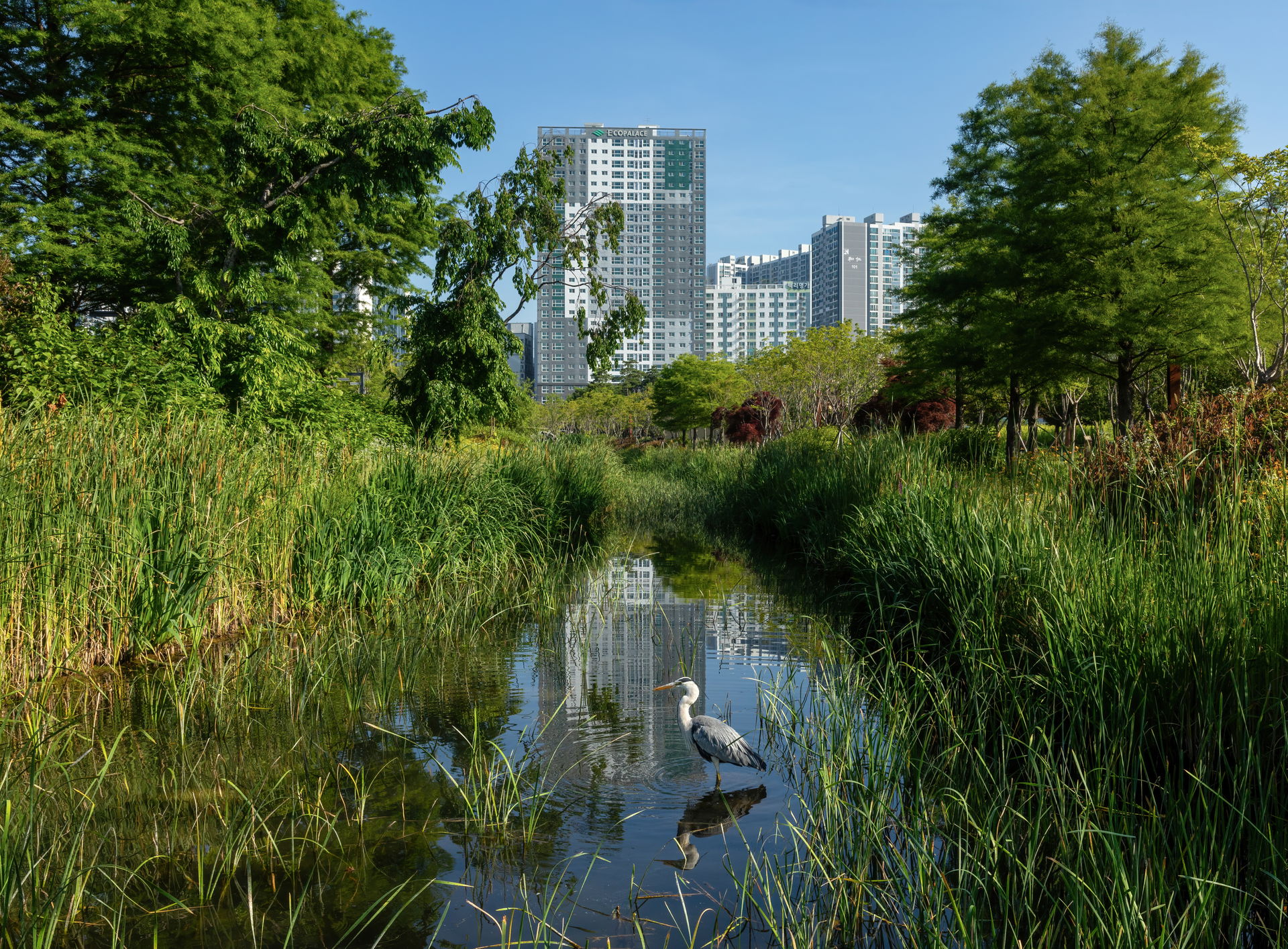
831 parks and green spaces
Major port city opportunities
Affordable compared to Seoul
Modern metro infrastructure
Film festival and culture
Disadvantages
Busan
Typhoon and flooding risks
Limited job market diversity
Aging population decline
High housing prices
Seasonal tourism congestion
Safety & Security in Busan
Overall Safety Score
Includes resilience and environmental factors
Good
69
/100
South Korea Avg
56
Asia Avg
55
Worldwide Avg
56
Crime & Safety Metrics
Thermometer compares Busan to South Korea averages using different marker styles.Compare:
Busan
South Korea Average
Safety Index
0510
Moderate
Safety from Crime
0510
Moderate
Safe Alone (Day)
0510
Good
Safe Alone (Night)
0510
Good
Safety from Violent Crime
0510
Moderate
Safety from Property Crime
0510
Moderate
Environmental & Natural Hazard Risks
Resilience Score: 82/100
No data for Busan — showing hazard indicators from nearby Gwangyang (~129 km).