This content was generated using artificial intelligence based on publicly available information. It is provided for general informational purposes only and does not constitute legal, tax, immigration, or professional advice. Information may be incomplete or outdated. Always verify with official sources before making decisions.
Data Source: Safety, crime, and quality metrics are sourced from Numbeo, a crowd-sourced global database of reported data.
All scores are relative comparisons on a 0-100 scale, where 50 = global average. Higher scores mean better than average, lower scores mean worse than average.
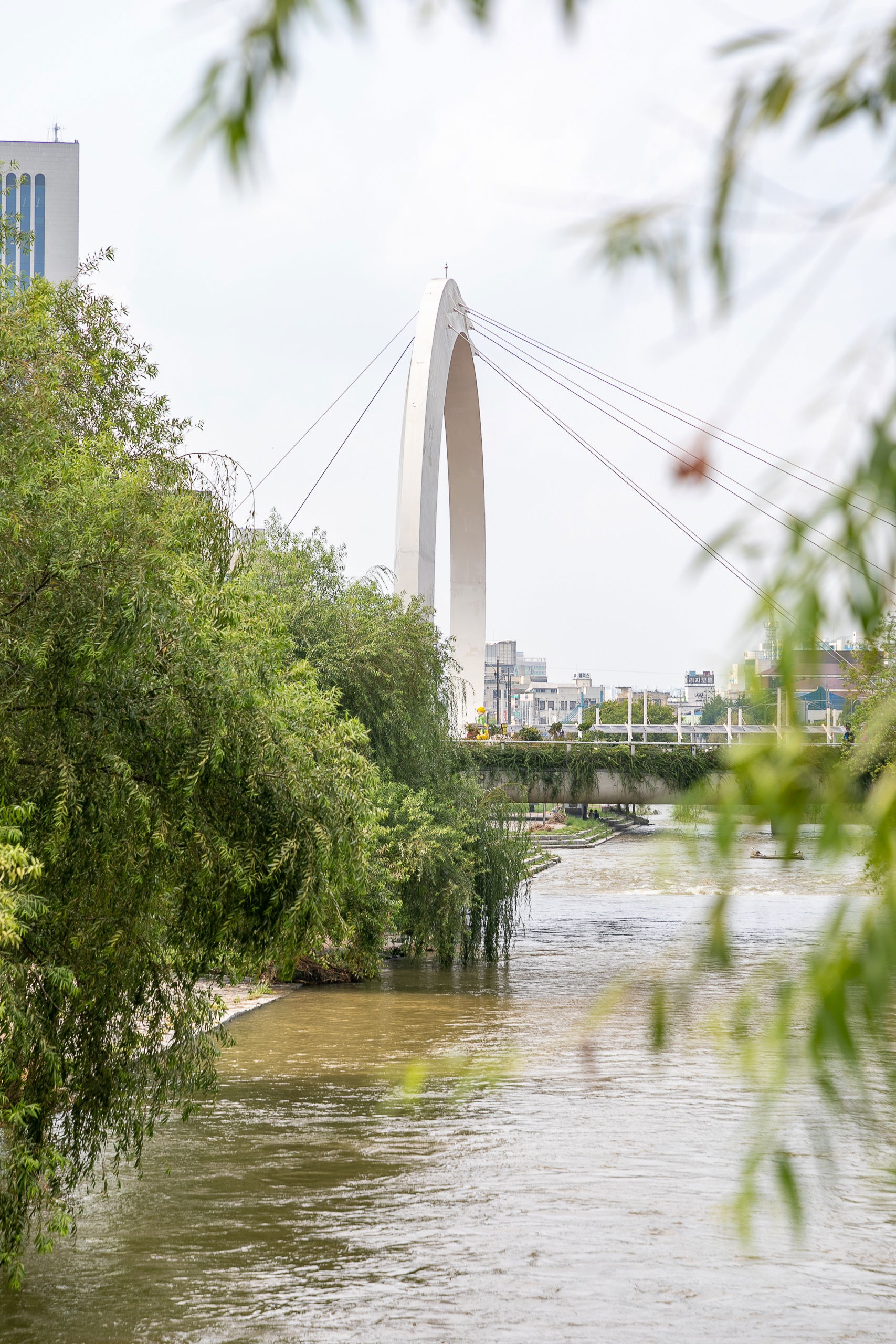
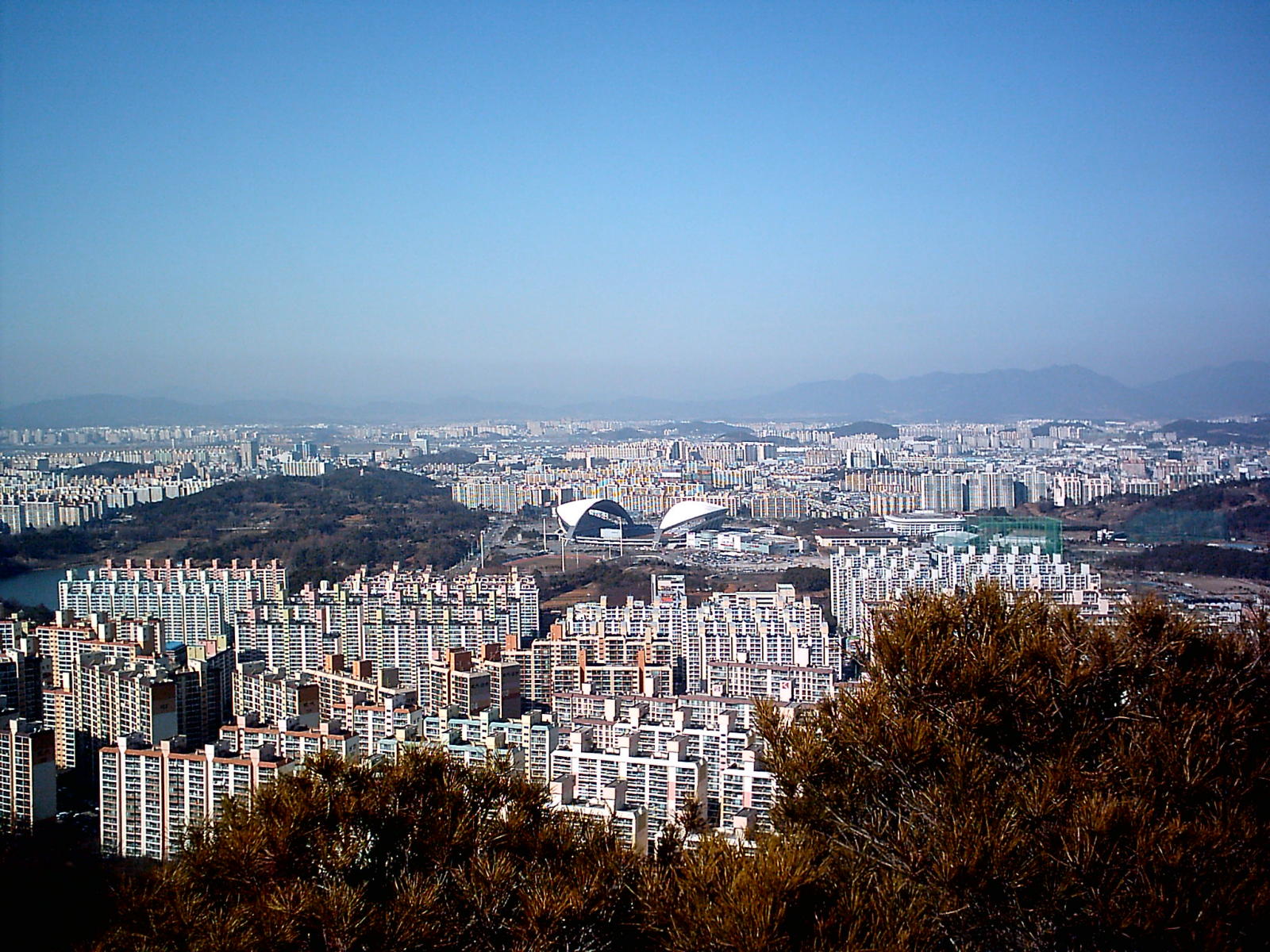
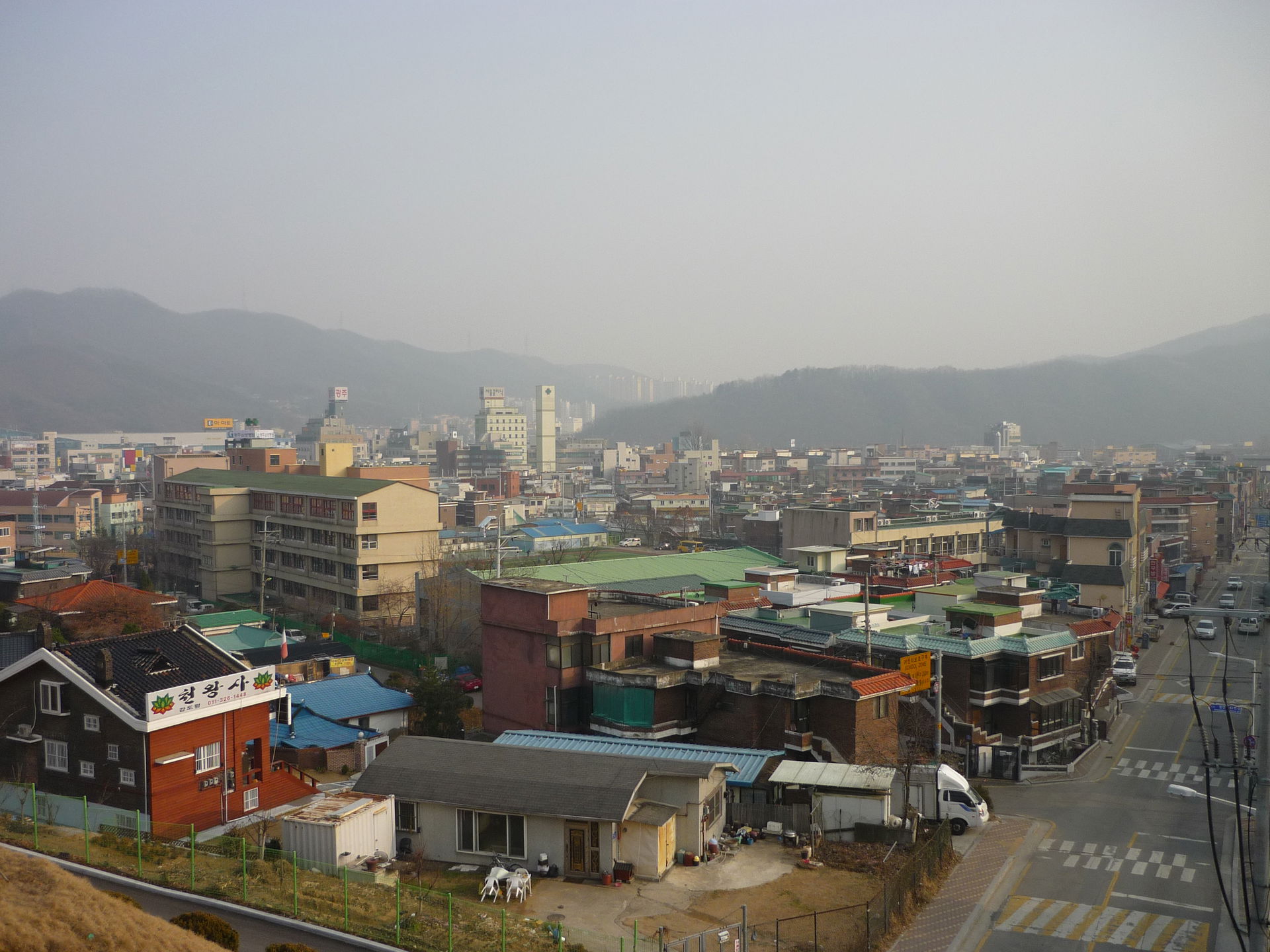
Gwangju offers a grounded, authentic alternative to the frantic pace of Seoul, making it ideal for professionals seeking a stable lifestyle centered around culture and local community. You’ll find a high standard of living characterized by reliable public transport and dependable healthcare, all within a city that feels manageable rather than overwhelming. It is a place where daily life moves with intention, offering a sense of security that is hard to find in larger metropolises.
However, the trade-off is a much smaller international footprint; you will likely find fewer expat-specific amenities and a steeper learning curve regarding the local language. If you value deep cultural immersion over a ready-made Western bubble, Gwangju is a rewarding choice.
Population
1,440,000
Area
107 km²
Density
13,452 per km²
Founded
-
Language
Korean
Distance to Coast
45 km
Districts & Neighborhoods in Gwangju
Loading districts…
Climate & Weather in Gwangju
Gwangju has a humid subtropical climate (Köppen Cwa) with hot, humid summers and cool, drier winters, plus strong East Asian monsoon influence in summer. Long-term climate data show annual precipitation around 1,380 mm, with rainfall concentrated in June through August and moderate annual humidity near 68%. The current weather is unusually hot for the city, but seasonal averages remain much cooler than the present reading.
Summer Average
26°C
Winter Average
2°C
Climate Type
Humid Subtropical
Rainy Days
103
Sunny Days
176
Humidity
68%
Spring
March - May
7-20°C
Spring is mild and steadily warms from cool March conditions to pleasant May weather. Rainfall is moderate, and skies are often mixed with increasing sunshine toward late spring.
Moderate rainfall
Summer
June - August
22-31°C
Summer is hot, humid, and the wettest season, with monsoon rains peaking in July and August. Overcast days are common, and muggy conditions are typical.
Very High rainfall
Autumn
September - November
9-22°C
Autumn is generally mild and comfortable, with temperatures cooling quickly after September. Rain decreases through the season, and clearer weather becomes more common.
Moderate rainfall
Winter
December - February
-4-5°C
Winter is cold and relatively dry compared with summer, with frequent clear spells and occasional frost or snow. Temperatures often stay near or below freezing at night.
Low rainfall
Loading Weather...
Air Quality
Gwangju
Advantages
Gwangju
Abundant parks and green spaces
Rich cultural heritage sites
Affordable cost of living
Strong community spirit
Excellent public transportation
Growing tech job market
Disadvantages
Gwangju
Limited job opportunities
Brain drain to Seoul
Aging population issues
Fewer entertainment options
Less expat community support
Safety & Security in Gwangju
Overall Safety Score
Includes resilience and environmental factors
Moderate
59
/100
South Korea Avg
60
Asia Avg
57
Worldwide Avg
56
Crime & Safety Metrics
Thermometer compares Gwangju to South Korea averages using different marker styles.Compare: