This content was generated using artificial intelligence based on publicly available information. It is provided for general informational purposes only and does not constitute legal, tax, immigration, or professional advice. Information may be incomplete or outdated. Always verify with official sources before making decisions.
Data Source: Safety, crime, and quality metrics are sourced from Numbeo, a crowd-sourced global database of reported data.
All scores are relative comparisons on a 0-100 scale, where 50 = global average. Higher scores mean better than average, lower scores mean worse than average.
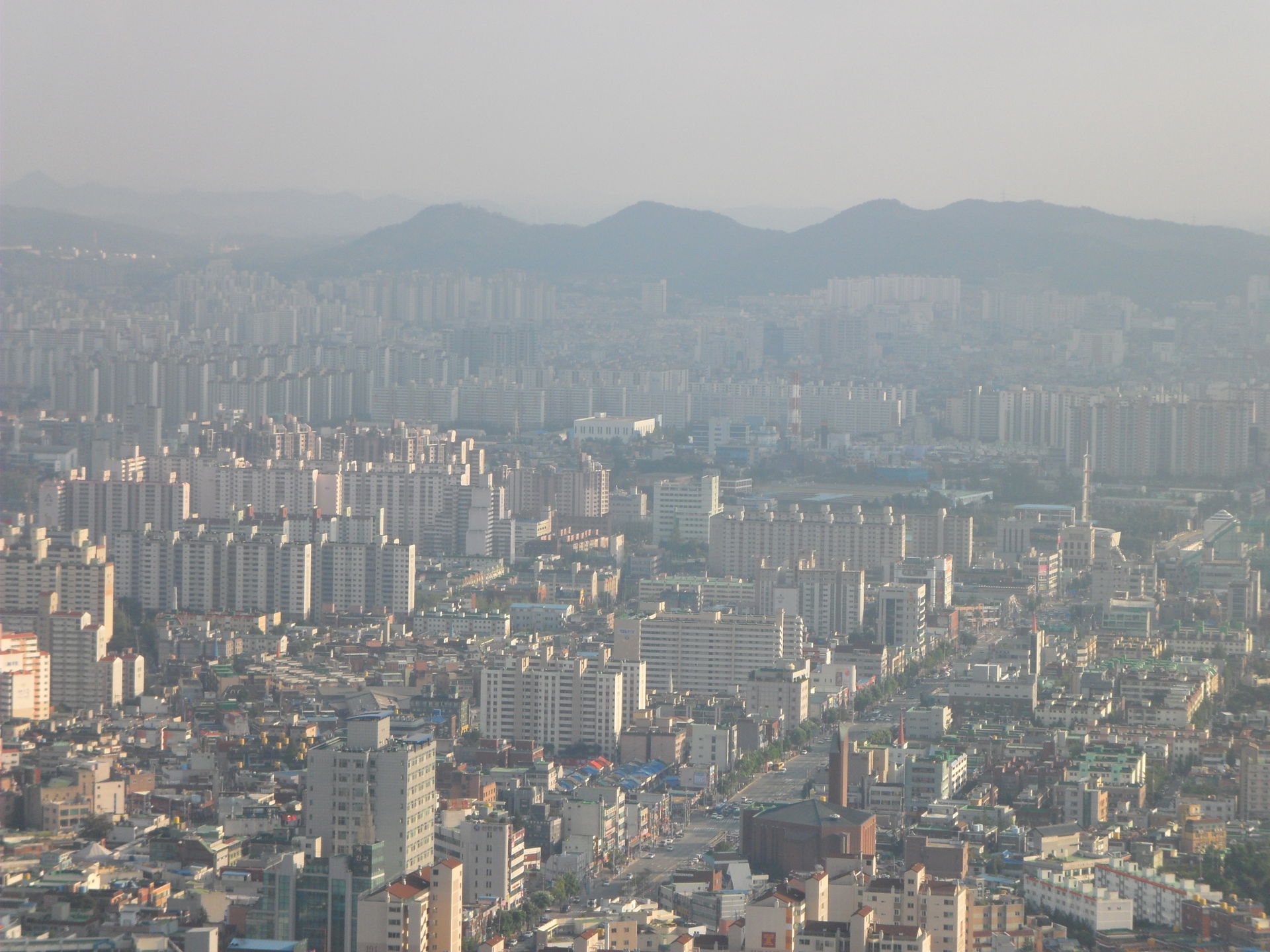
Incheon offers a strategic, high-functioning alternative to the intensity of Seoul, making it an ideal base for professionals seeking a more balanced pace of life. You’ll find a modern, highly organized urban environment characterized by world-class transit connectivity and reliable healthcare. It is a city that functions with quiet efficiency, offering a sense of space and accessibility that is often harder to find in the capital.
However, the lifestyle here is more pragmatic than purely cosmopolitan. While the infrastructure is seamless, the expat social scene is more niche, and you may find the cultural atmosphere more suburban than the high-energy buzz of central Seoul. It is a choice for those prioritizing logistical ease and stability over constant urban stimulation.
Population
2,550,000
Area
2,411 km²
Density
1,058 per km²
Founded
-
Language
Korean
Distance to Coast
2 km
Districts & Neighborhoods in Incheon
Loading districts…
Climate & Weather in Incheon
Incheon has a humid continental climate with oceanic influence, and some sources also classify it as humid subtropical depending on the Köppen isotherm used. The city has hot, humid summers and cold, dry winters, with an annual mean temperature of about 12.1°C and precipitation around 1,234.4 mm/year. Its coastal location moderates temperature extremes compared with inland areas.
Summer Average
26°C
Winter Average
1°C
Climate Type
Humid Continental
Rainy Days
105
Sunny Days
190
Humidity
72%
Spring
March - May
10-18°C
Spring is cool to mild and often dry at the beginning, then gradually warms through May. Winds can be noticeable, and late-spring conditions are generally pleasant for outdoor activities.
Low rainfall
Summer
June - August
24-29°C
Summer is hot, humid, and rainy, with the wettest period typically occurring in July and August. Overcast skies and occasional typhoons can bring heavy rainfall and muggy conditions.
Very High rainfall
Autumn
September - November
11-21°C
Autumn is generally mild, clear, and comfortable, with lower humidity than summer. This is one of the best seasons for travel because temperatures cool gradually and rainfall decreases.
Moderate rainfall
Winter
December - February
-3-4°C
Winter is cold, dry, and often windy, though the coastal influence makes it slightly less severe than inland northern areas. Snow can occur, but prolonged deep cold is less common than in more continental locations.
Low rainfall
Loading Weather...
Air Quality
Incheon
Advantages
Incheon
2981 parks, abundant green spaces
Gateway to Seoul via Incheon Airport
Thriving international business hub
Modern infrastructure and development
Coastal city with beaches
Growing expat community
Disadvantages
Incheon
Expensive housing market
Air quality concerns
Limited cultural attractions
Overshadowed by Seoul
Congested transportation routes
Safety & Security in Incheon
Overall Safety Score
Includes resilience and environmental factors
Good
71
/100
South Korea Avg
60
Asia Avg
57
Worldwide Avg
56
Crime & Safety Metrics
Thermometer compares Incheon to South Korea averages using different marker styles.Compare:
Incheon
South Korea Average
Safety Index
0510
Moderate
Safety from Crime
0510
Moderate
Safe Alone (Day)
0510
Good
Safe Alone (Night)
0510
Good
Safety from Violent Crime
0510
Moderate
Safety from Property Crime
0510
Moderate
Environmental & Natural Hazard Risks
Resilience Score: 76/100
No data for Incheon — showing hazard indicators from nearby Bucheon (~12 km).