This content was generated using artificial intelligence based on publicly available information. It is provided for general informational purposes only and does not constitute legal, tax, immigration, or professional advice. Information may be incomplete or outdated. Always verify with official sources before making decisions.
Data Source: Safety, crime, and quality metrics are sourced from Numbeo, a crowd-sourced global database of reported data.
All scores are relative comparisons on a 0-100 scale, where 50 = global average. Higher scores mean better than average, lower scores mean worse than average.
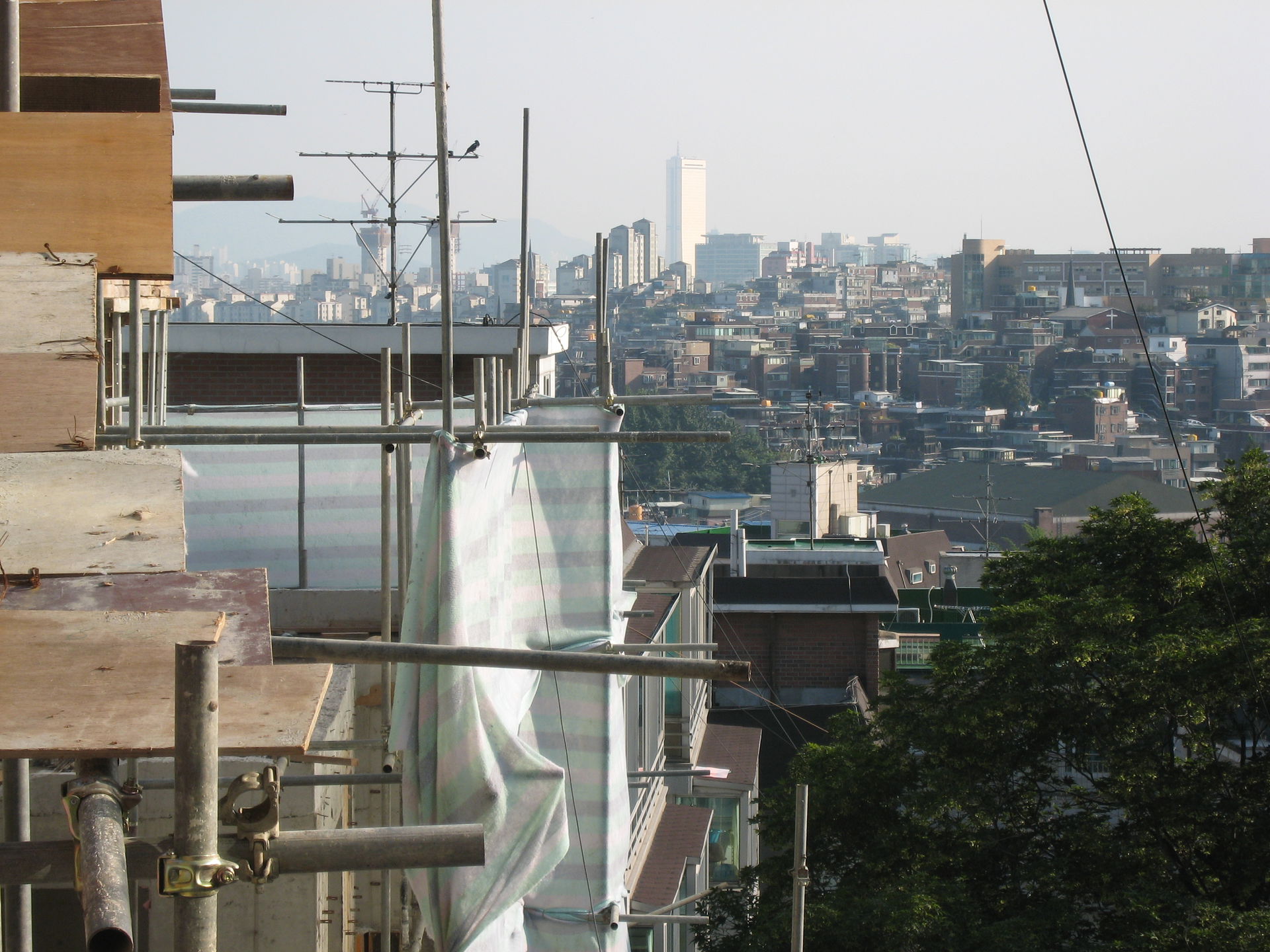
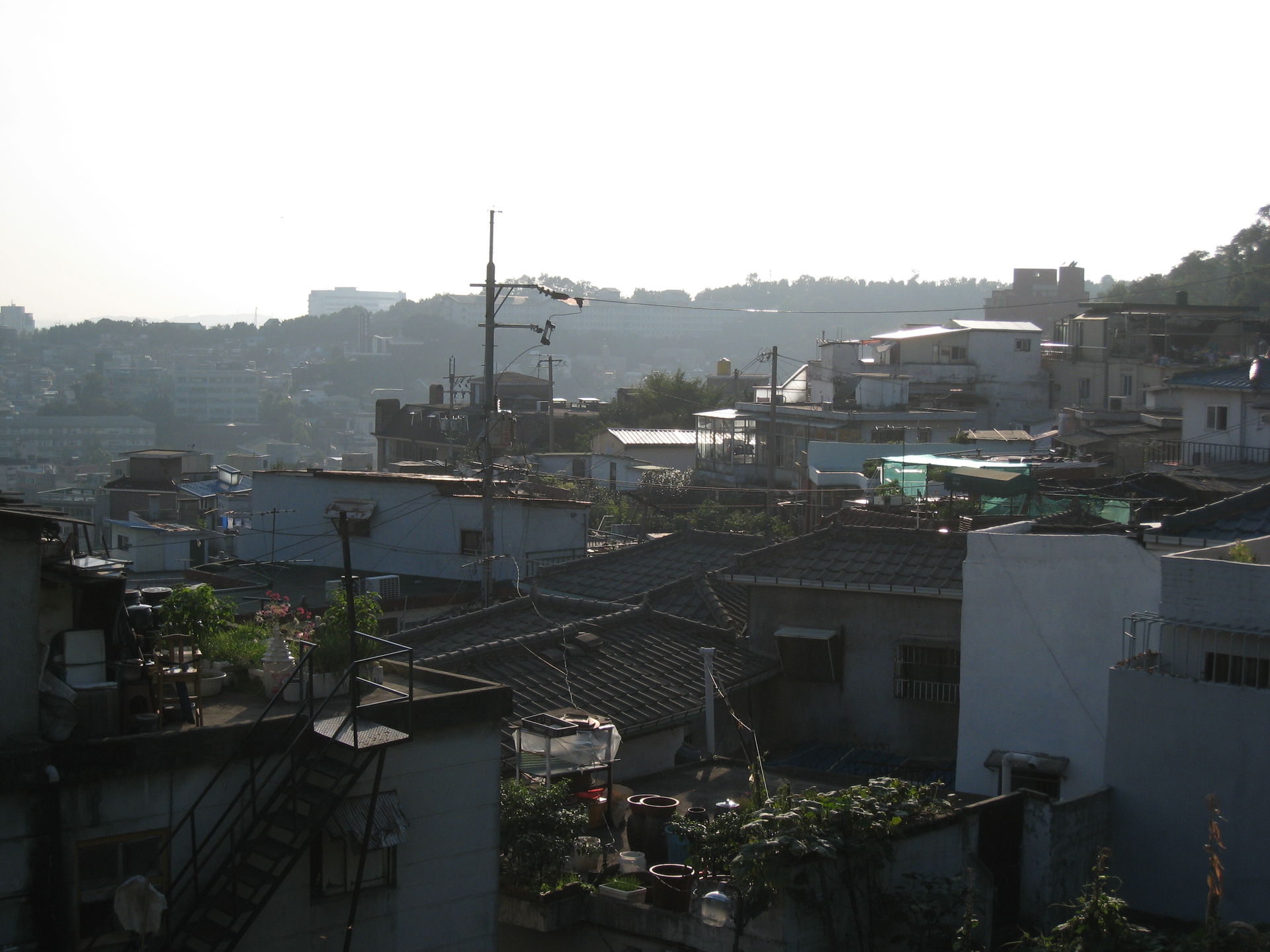
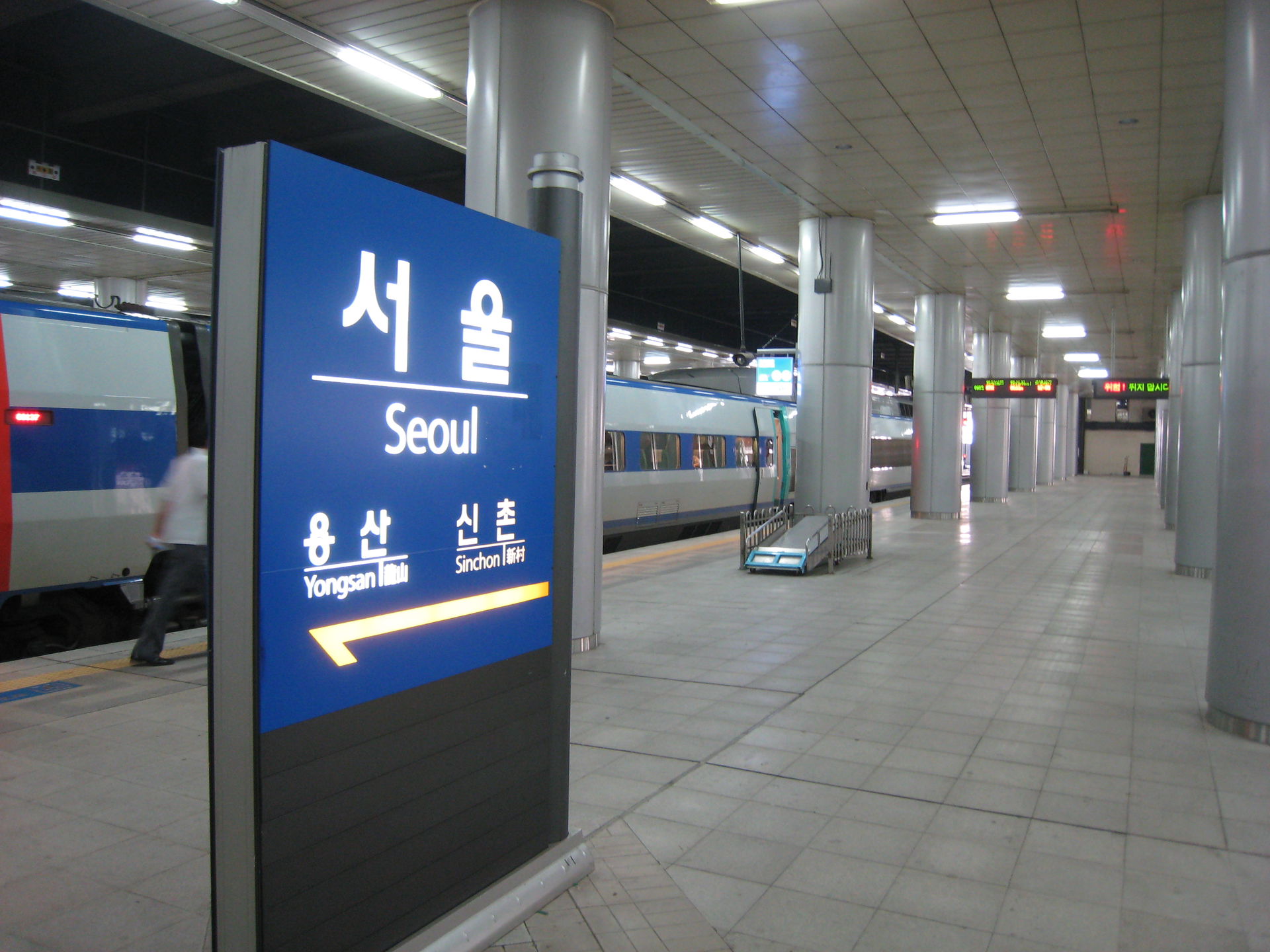
Seoul offers a high-octane blend of hyper-modern convenience and deep-rooted tradition, making it a premier destination for professionals seeking a seamless, tech-driven lifestyle. The city excels in logistical ease; you will find world-class public transport and highly efficient healthcare systems that make daily life feel remarkably frictionless. It is a safe, energetic metropolis where work culture is intense but the urban amenities are unparalleled.
However, relocation requires navigating a high-pressure social environment and a competitive housing market. While the infrastructure is flawless, the rapid pace of life and the nuances of local social hierarchies can be a significant adjustment for those accustomed to a slower tempo.
Population
9,796,000
Area
24 km²
Density
412,811 per km²
Founded
-
Language
Korean
Distance to Coast
27 km
Districts & Neighborhoods in Seoul
Loading districts…
Climate & Weather in Seoul
Seoul has a dry-winter humid continental climate (Köppen Dwa), with four distinct seasons, hot humid summers, and cold, relatively dry winters. The city’s average annual temperature is about 12.8°C, with most rainfall concentrated from late June through September and an annual precipitation total around 1,418 mm.
Summer Average
26°C
Winter Average
-2°C
Climate Type
Humid Continental
Rainy Days
110
Sunny Days
180
Humidity
62%
Spring
March - May
10-20°C
Spring is mild and quickly warms from cool March conditions to pleasant May weather. Dust events can occur, and rainfall is generally moderate before the summer monsoon period begins.
Moderate rainfall
Summer
June - August
23-31°C
Summer is hot and humid, with the wettest conditions of the year during the East Asian monsoon season. July is typically the wettest month, and heavy rainfall is common.
Very High rainfall
Autumn
September - November
10-22°C
Autumn is generally one of the most comfortable seasons, with clear skies and steadily cooling temperatures. Rainfall decreases sharply after the summer monsoon, and humidity becomes lower.
Low rainfall
Winter
December - February
-6-5°C
Winter is cold and dry, with January usually the coldest month. Snow can occur, but total winter precipitation is relatively low compared with summer.
Low rainfall
Loading Weather...
Air Quality
Seoul
Advantages
Seoul
World-class public transportation
Cutting-edge technology infrastructure
Abundant parks and green spaces
Thriving food and dining culture
Dynamic nightlife and entertainment
High salaries and job opportunities
Disadvantages
Seoul
Extremely high housing costs
Intense academic pressure
Long working hours culture
Air quality concerns
Limited work-life balance
Safety & Security in Seoul
Overall Safety Score
Includes resilience and environmental factors
Good
75
/100
South Korea Avg
60
Asia Avg
57
Worldwide Avg
56
Crime & Safety Metrics
Thermometer compares Seoul to South Korea averages using different marker styles.Compare: