Southern outskirts with recent developments and access to Vía Verde.
Modern northern expansion zone with newer residential developments and better connectivity.
Modern city center expansion from the 20th century with key urban developments like the Gran Vía.[3]
Northern residential expansion with newer housing near the newer quarter.
Modern central area with the City Hall and commercial developments from the 18th-20th centuries.
Residential district with Parroquia de la Purísima Concepción, focused on community and faith.
Historic district surrounding the Basilica-Santuario de la Vera Cruz and the medieval castle, central to the town's religious heritage.
Quiet area around Ermita Santa Elena, offering a serene residential environment with historic chapels.
Neighborhood centered on Iglesia de la Soledad, known for its religious architecture and quiet residential vibe.
Traditional neighborhood with San Sebastian chapel, blending residential living and local history.
Area around Iglesia del Salvador, featuring Renaissance architecture and traditional narrow streets.
Historic neighborhood surrounding the Santuario de la Vera Cruz, known for its religious significance and narrow streets.
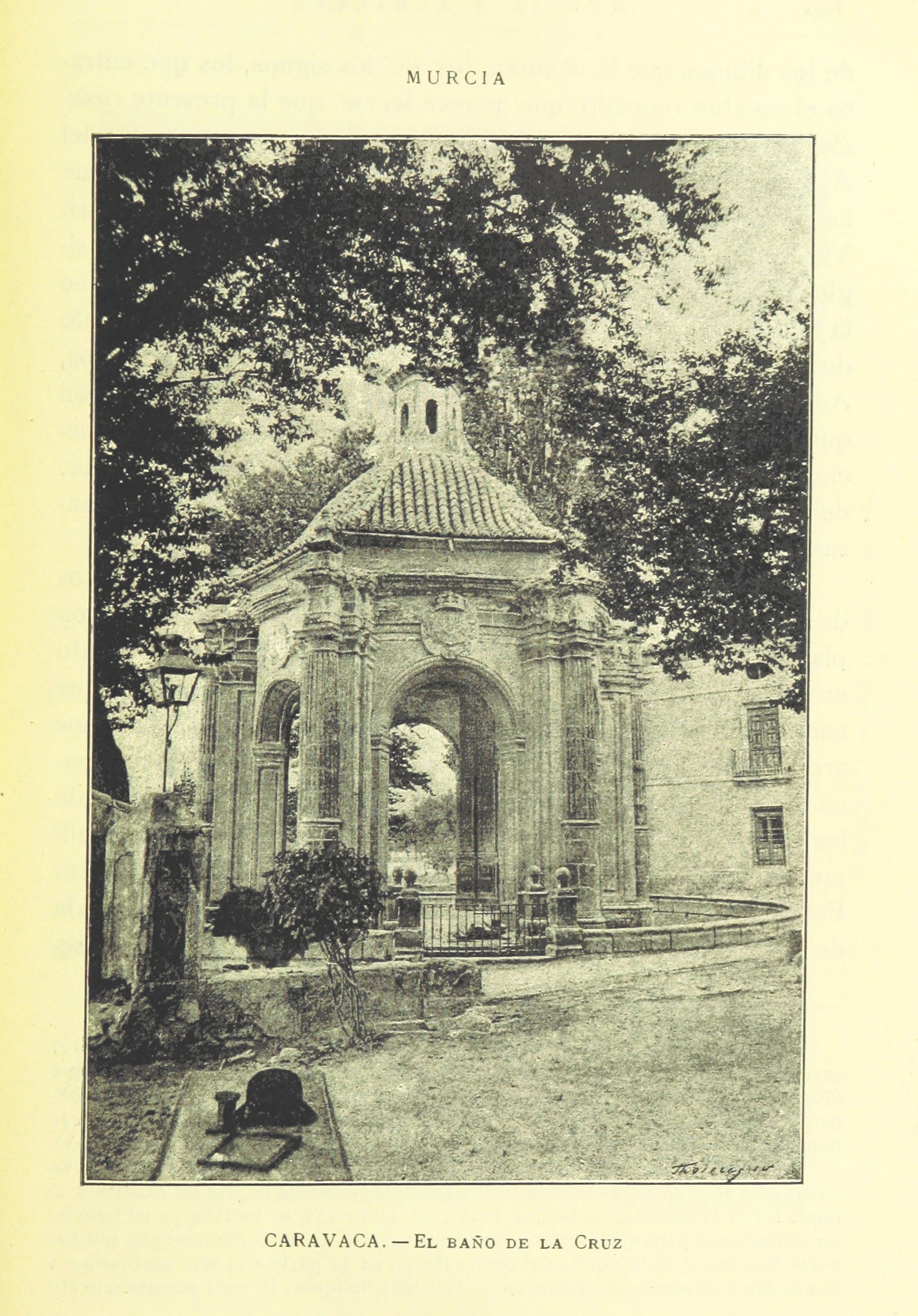
Area around the Baroque Templete, site of annual religious rituals since 1384.
District featuring the former Church of the Jesuits, now a cultural center, with 17th-century architecture.
Area around the Church of the Jesuits, now a cultural center, with 17th-century architecture.
Area with Discalced Carmelite Convent founded by St. John of the Cross in 1586.
Features the 16th-century Palacio de los Uribe and other emblazoned mansions.
Neighborhood featuring the Church and Convent of Santa Clara, founded in 1609.
Small district known for Ermita de la Reja, a historic chapel in a residential setting.
District around the Baroque Templete, site of annual religious rituals since 1384.