This content was generated using artificial intelligence based on publicly available information. It is provided for general informational purposes only and does not constitute legal, tax, immigration, or professional advice. Information may be incomplete or outdated. Always verify with official sources before making decisions.
Data Source: Safety, crime, and quality metrics are sourced from Numbeo, a crowd-sourced global database of reported data.
All scores are relative comparisons on a 0-100 scale, where 50 = global average. Higher scores mean better than average, lower scores mean worse than average.
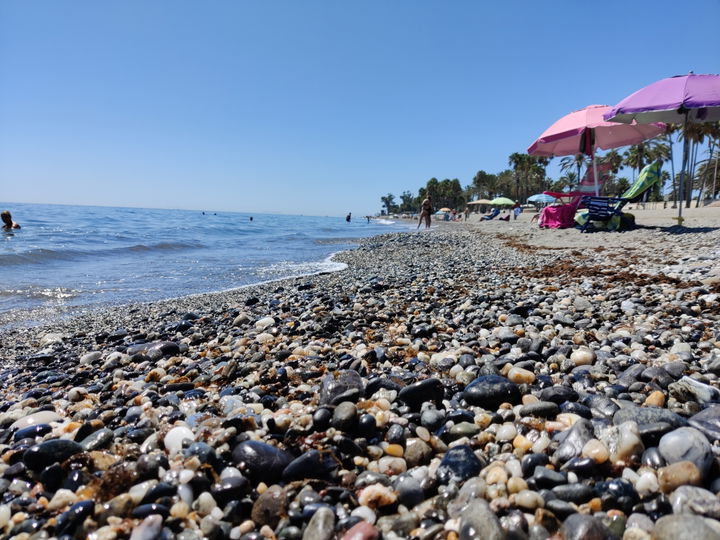
Marbella attracts expats seeking Mediterranean lifestyle without sacrificing modern convenience. The coastal town offers reliable healthcare, functional public transport, and a genuinely international community—practical foundations for settling in. Housing costs run higher than inland Spain, but you're paying for proximity to beaches, year-round sunshine, and established expat networks that ease the transition.
The trade-off: Marbella's popularity means it can feel transient and commercialized in parts, lacking the deeper cultural rootedness of smaller Spanish towns. Safety is solid, though petty crime exists in tourist zones. If you value easy access to international schools, English-speaking services, and a ready-made social scene over authentic local immersion, this is your city. For those seeking a slower, more traditionally Spanish experience, look elsewhere.
Marbella has a Mediterranean climate (Köppen Csa) with hot, dry summers and mild, wetter winters. Current warm conditions are consistent with the city’s long warm season, while most rainfall is concentrated in autumn and winter, making it one of Spain’s sunnier coastal destinations.
Summer Average
27°C
Winter Average
13°C
Climate Type
Mediterranean
Rainy Days
60
Sunny Days
320
Humidity
65%
Spring
March - May
16-22°C
Spring is generally warm and pleasant, with rising temperatures and plenty of clear days. Rain is still possible, especially in March and April, but conditions trend drier toward late spring.
Moderate rainfall
Summer
June - August
25-30°C
Summer is hot, sunny, and typically dry, with many days near or above the upper 20s Celsius. Sea breezes help moderate heat along the coast, and cloud cover is usually low.
Low rainfall
Autumn
September - November
17-24°C
Autumn stays mild for much of the season, but rainfall increases noticeably compared with summer. September is often warm and beach-friendly, while late autumn becomes cooler and wetter.
Moderate rainfall
Winter
December - February
11-16°C
Winter is mild rather than cold, with daytime temperatures often comfortable and frost being rare. It is the wettest season relative to summer, though long sunny periods still occur.
Moderate rainfall
Loading Weather...
Air Quality
Marbella
Advantages
Marbella
Year-round Mediterranean sunshine
Pristine beaches and coastline
Luxury lifestyle and amenities
139 parks for outdoor recreation
65 cultural sites nearby
International expat community
Disadvantages
Marbella
Expensive housing market
Limited higher education
Seasonal tourism congestion
High cost of living
Limited job diversity
Safety & Security in Marbella
Overall Safety Score
Includes resilience and environmental factors
Moderate
59
/100
Spain Avg
60
Europe Avg
58
Worldwide Avg
56
Crime & Safety Metrics
Thermometer compares Marbella to Spain averages using different marker styles.Compare: