Explore all neighborhoods and districts in Donostia / San Sebastian. Each area has its own unique character, attractions, and lifestyle. Click on any district to learn more about living there.
A neighborhood with the essence of a town, known for its local character and traditional atmosphere. Features a pelota court and hippodrome, representing the cultural heritage of the area.[4]
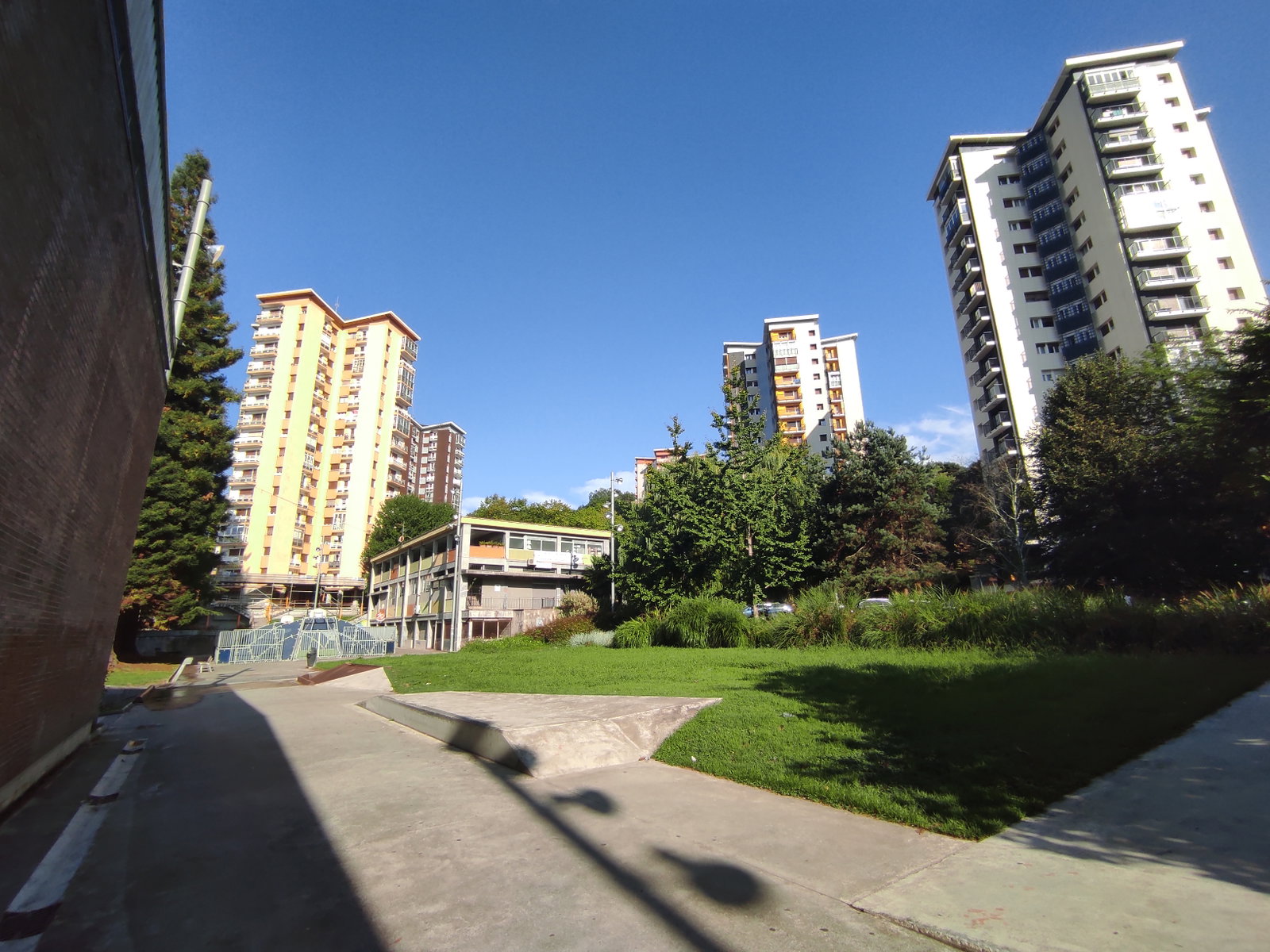
Intxaurrondo is a residential district in the east, featuring modern housing and access to natural areas like Ametzagaina Park.
Trintxerpe is an industrial-turned-residential eastern district, known for its community feel and proximity to Ulia.
Martutene is a peripheral neighborhood with a mix of residential and green areas, near the river and highways.
Egia is a vibrant neighborhood south of the city center, known for cultural venues like Tabakalera and proximity to the river.
Bidebieta is an eastern residential area, part of the Altza zone, with family-oriented housing and local amenities.
Loiola features modern architecture including the Iesu Church by Rafael Moneo, in a developing residential area.
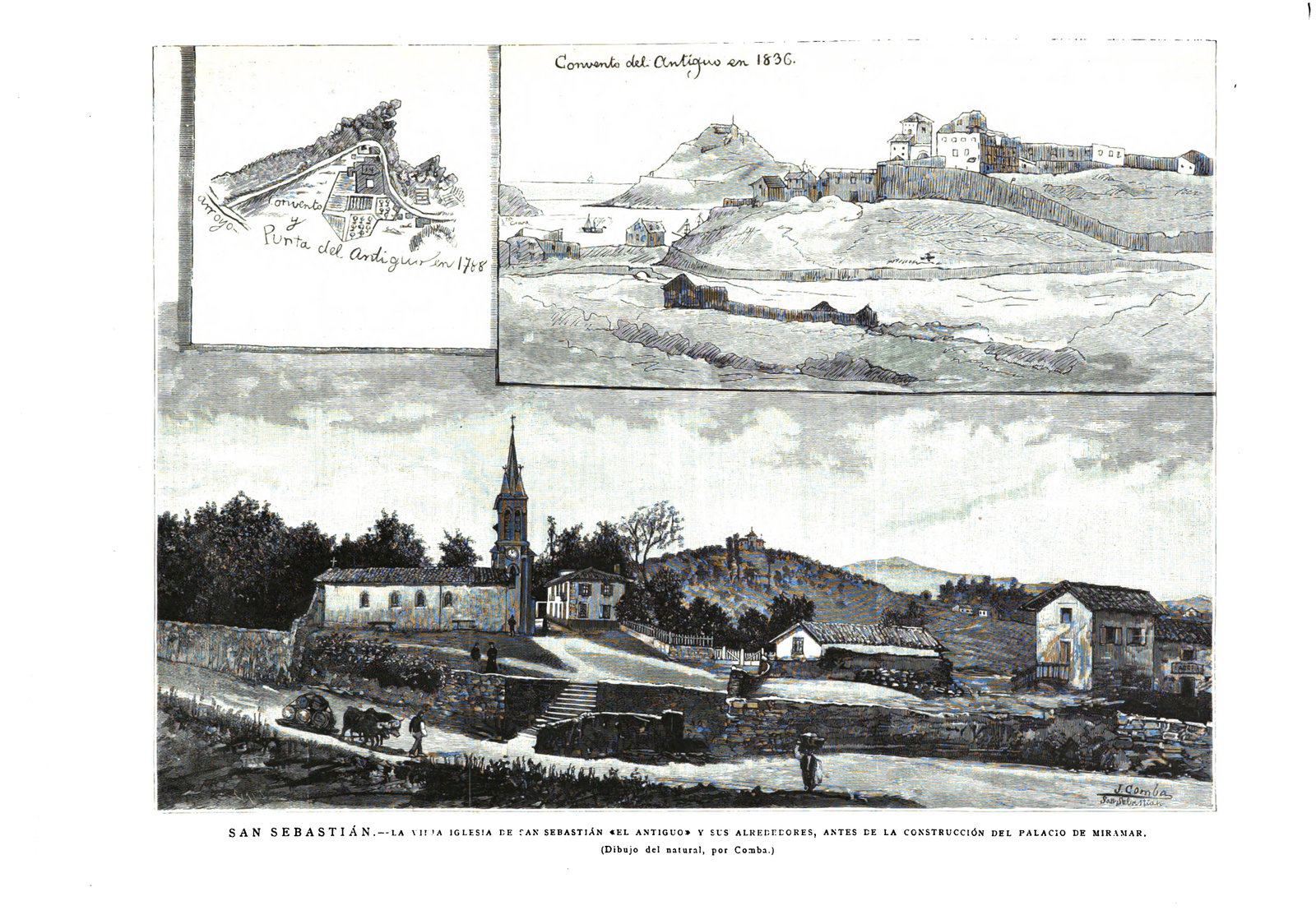
Antiguo is the westernmost neighborhood, offering a local atmosphere with Ondarreta Beach access and less touristy vibe.
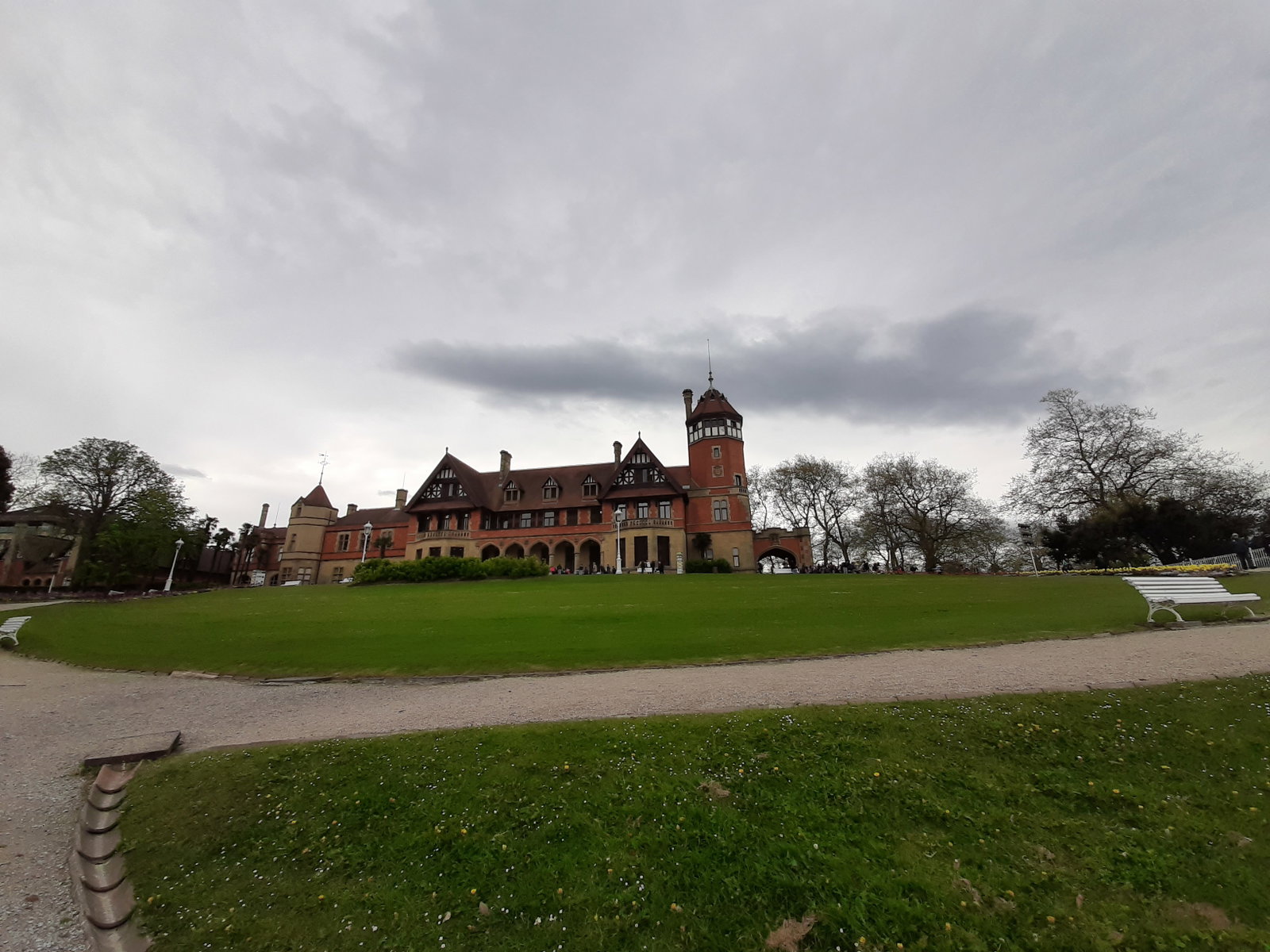
Aiete is an upscale residential area with parks, palaces, and proximity to the city center, known for its green spaces.
Miraconcha offers elegant homes with sea views, part of the central upscale residential zone.
Easo is a mini-neighborhood in the city center with Plaza de Easo, known for drinks and its pleasant square atmosphere.
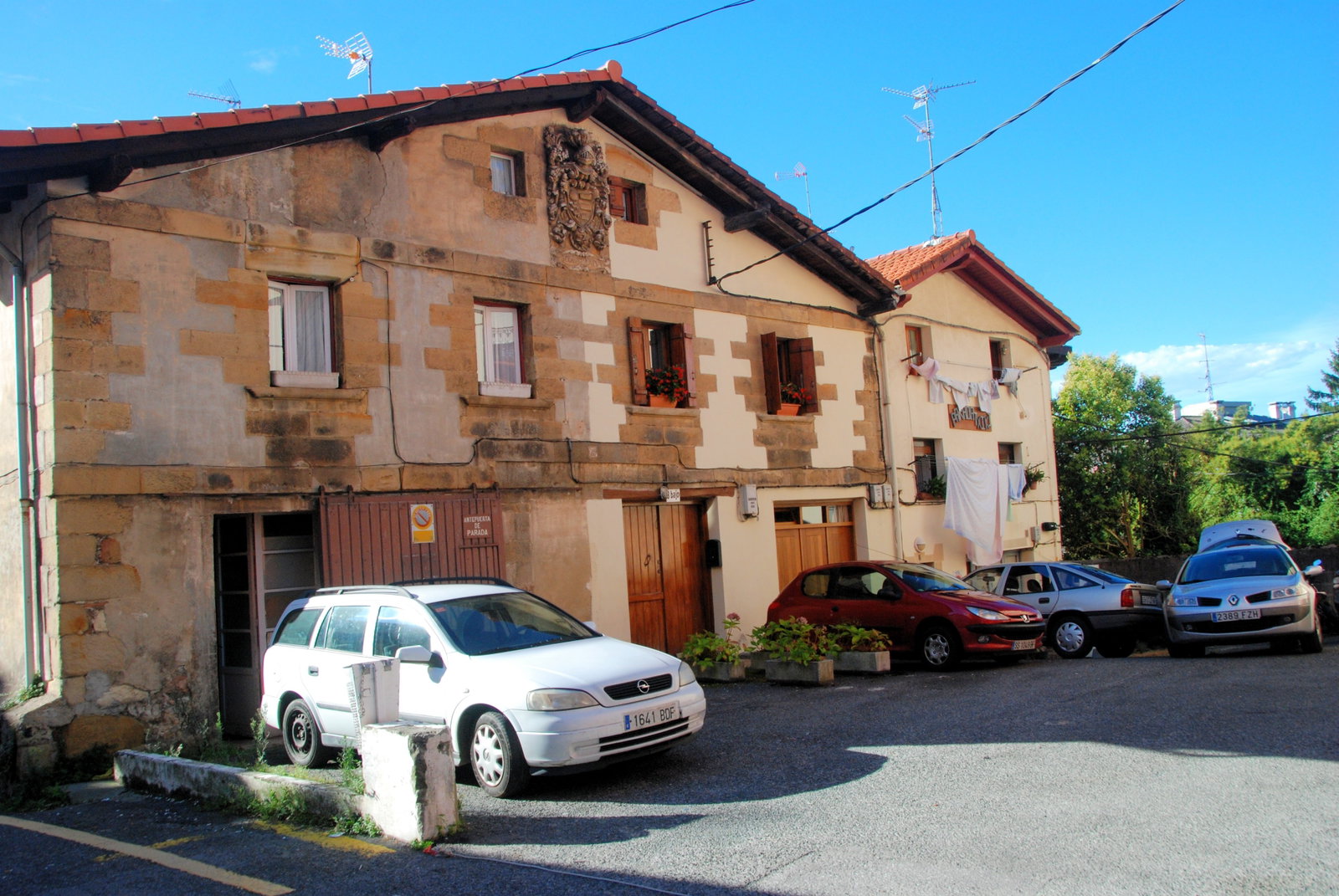
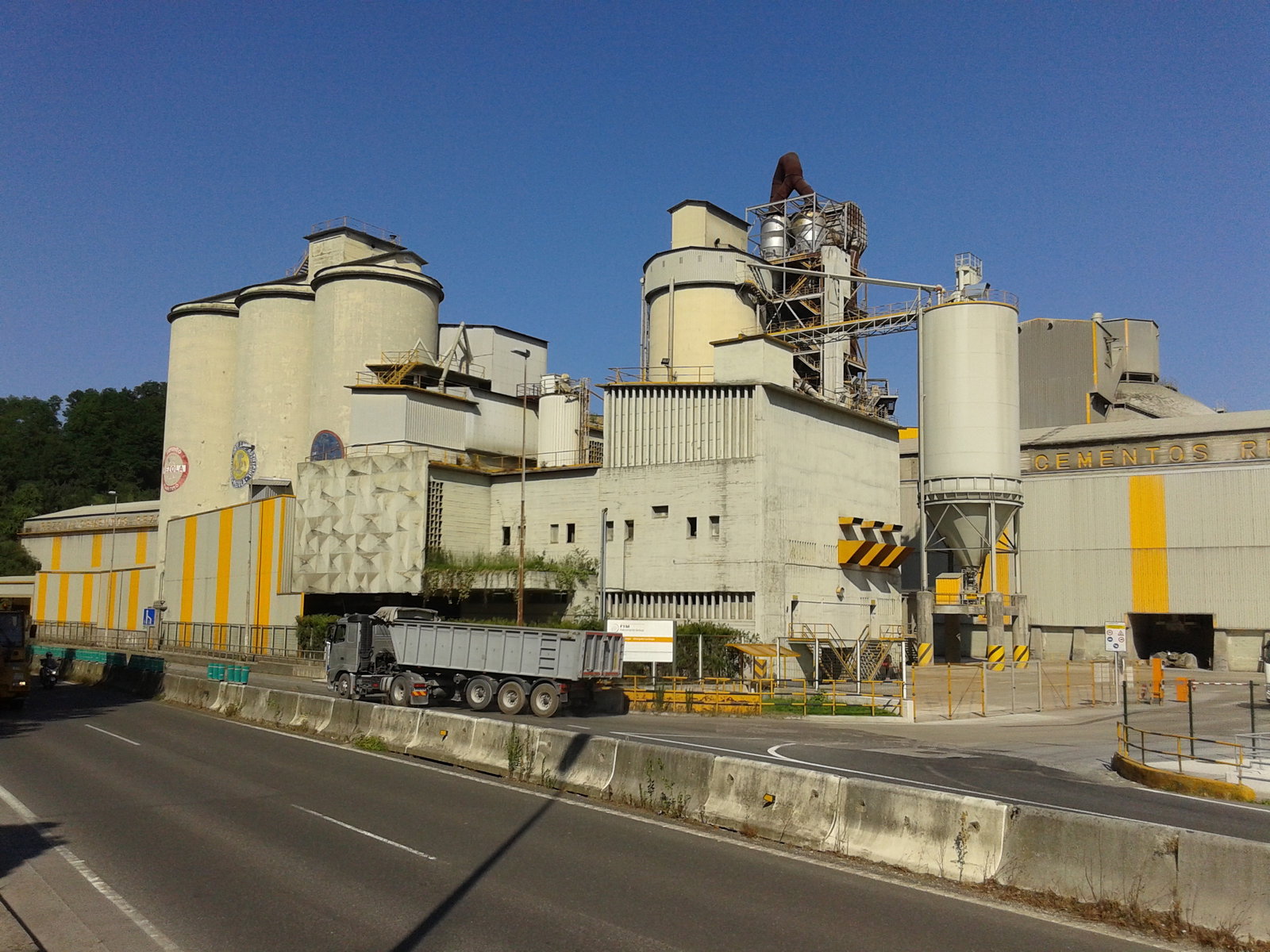
Former area of baserris (farmsteads) on the outskirts of San Sebastián. Transformed into an industrial neighborhood following the establishment of Cementos Rezola company in 1900. Generally distinguished into three neighborhoods: Añorga Haundi, Añorga-Txiki, and Rekalde. Had 1,769 inhabitants in 2013.[1]
Southern expansion of the city beginning from the 1940s after river canalization works. The district revolves around Avenida Sancho el Sabio and Avenida de Madrid, serving as the main road entrance to the city. Contains many state-run agencies and business offices.[1]
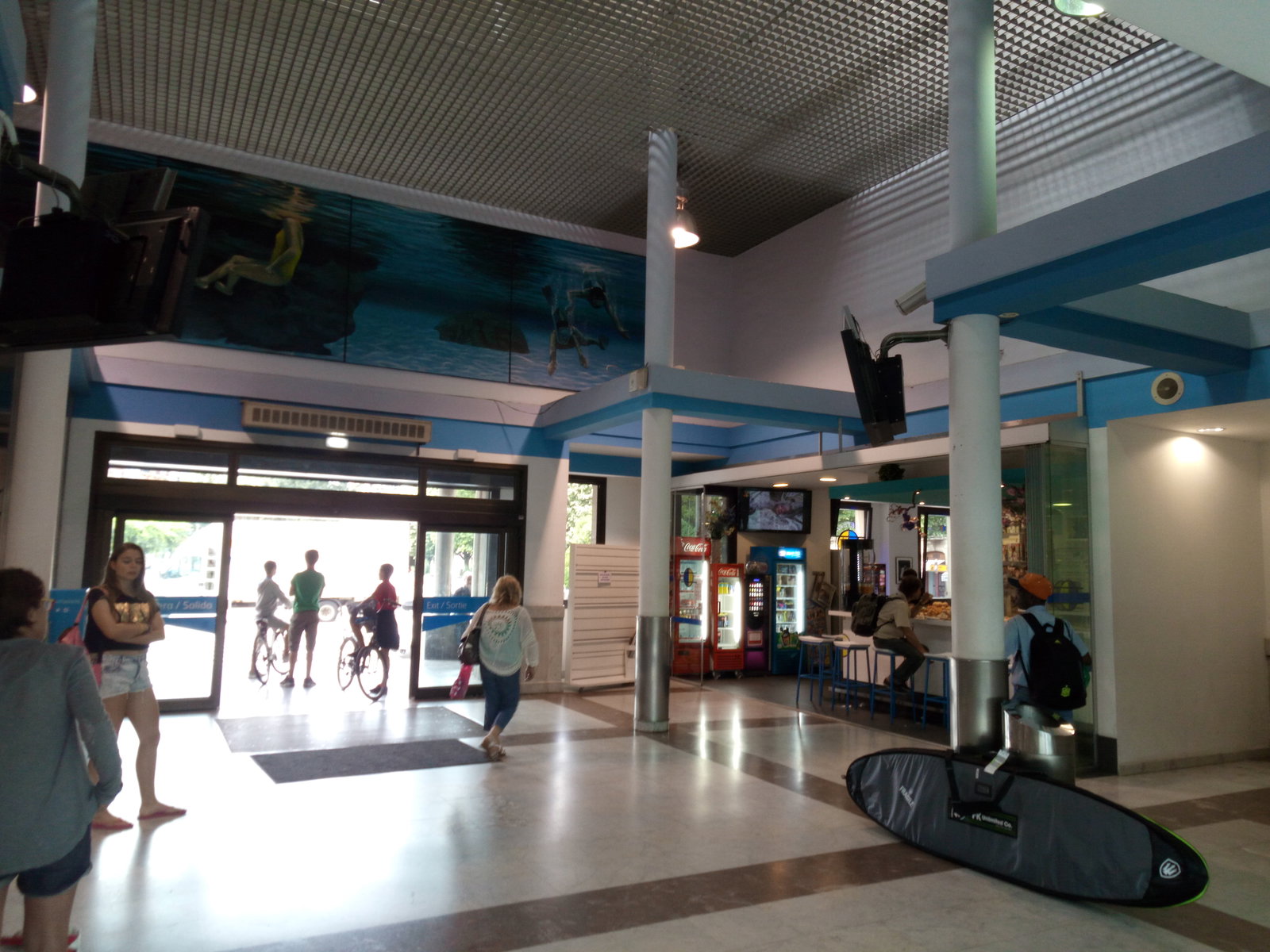
Named after the Amara farmhouse, this district developed on marshes to the left of the River Urumea. Over time it has mostly merged with the city centre. The core of the district is Easo plaza, with the Euskotren railway terminal closing the square at its south.[1]
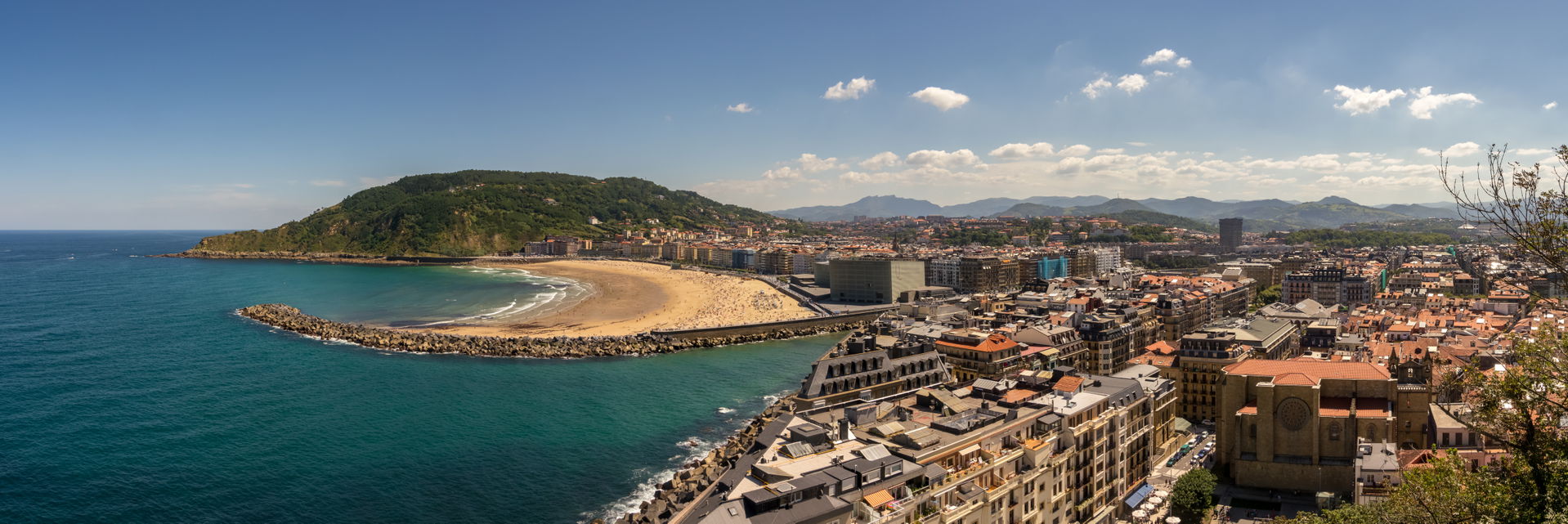
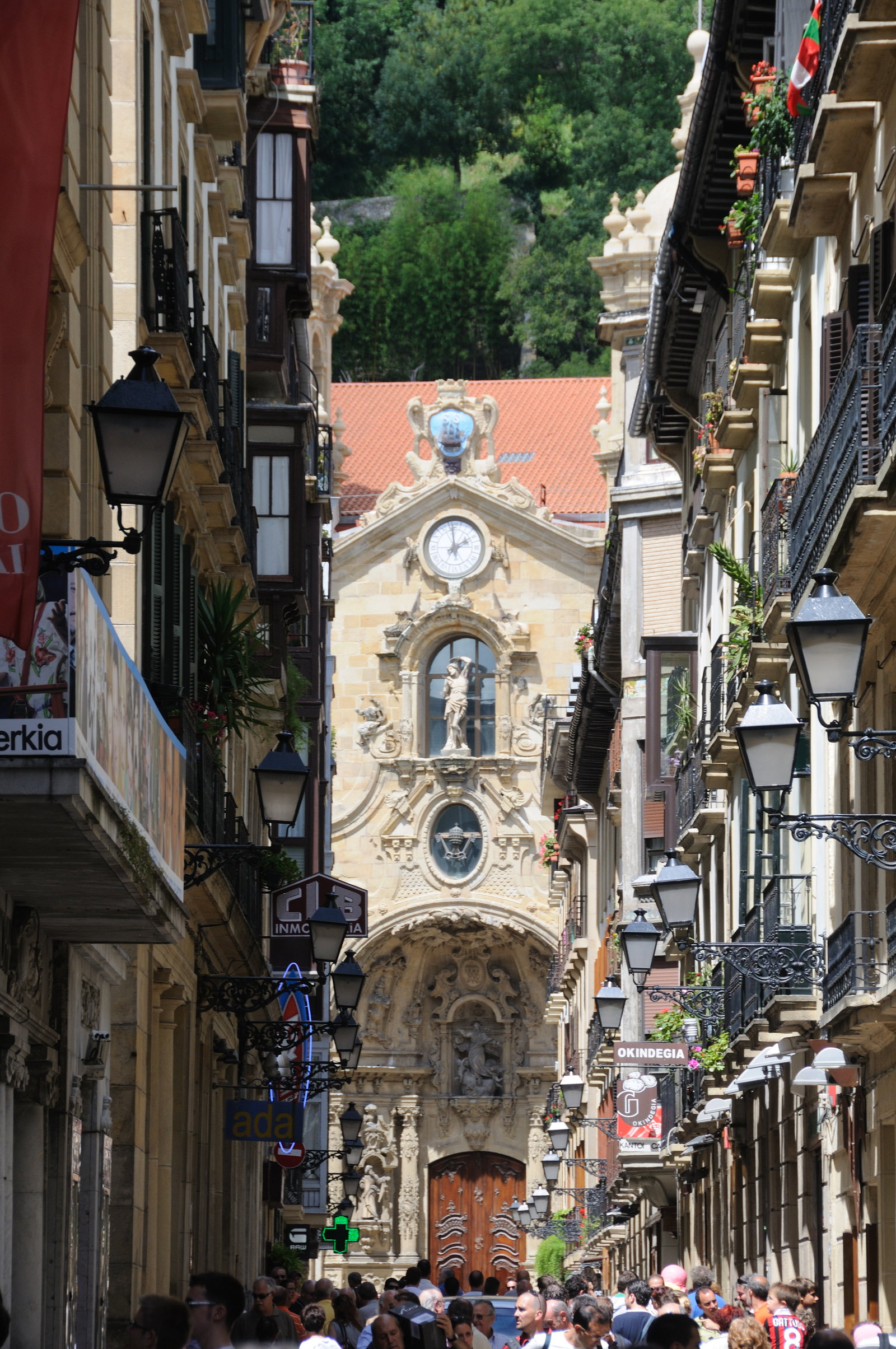
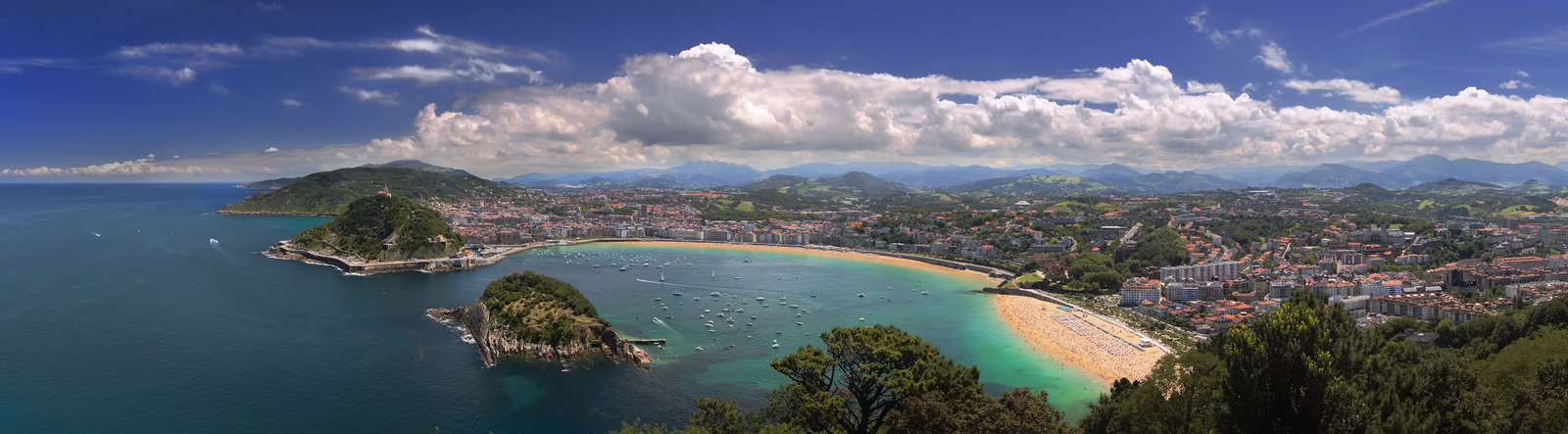
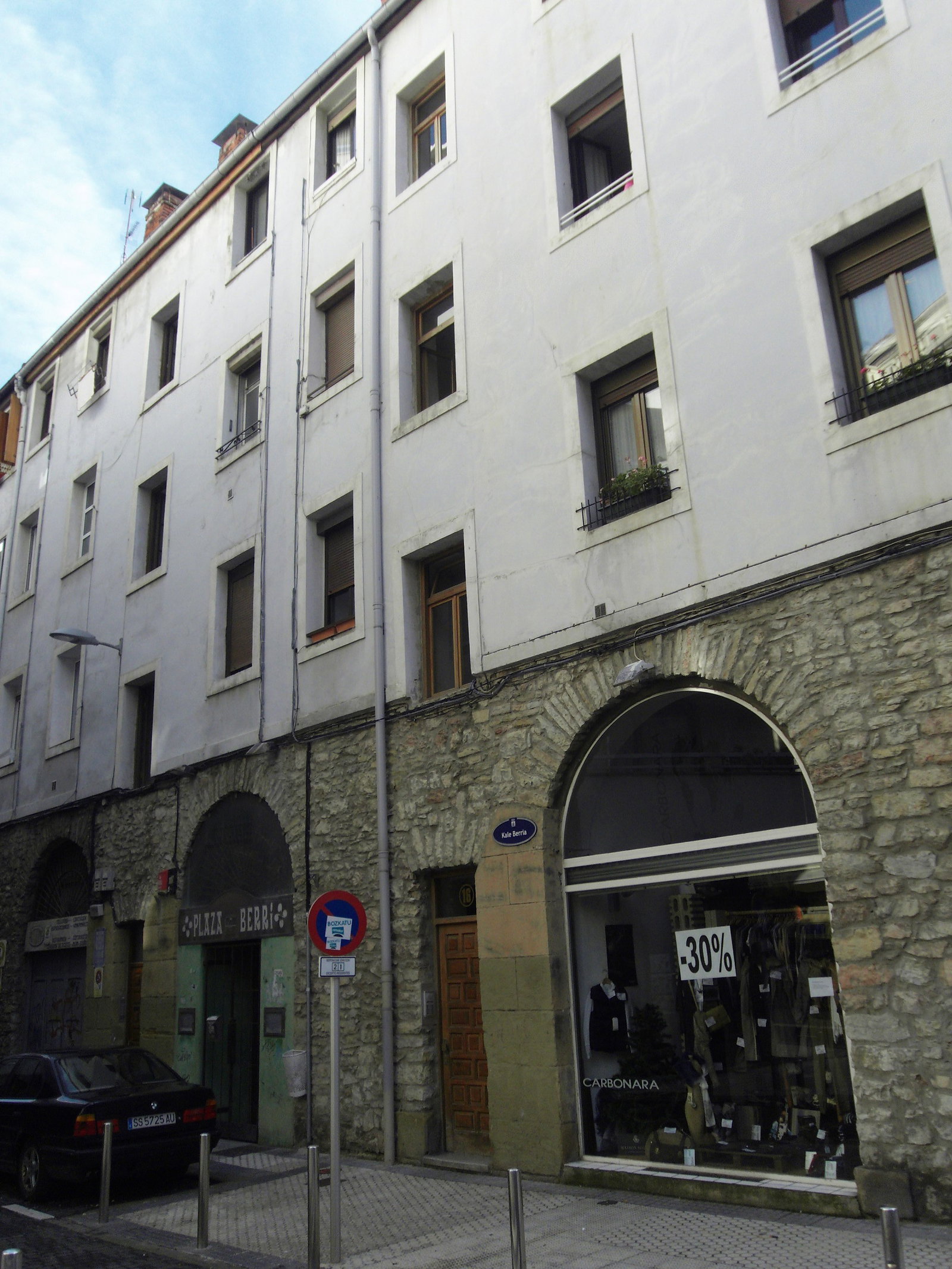
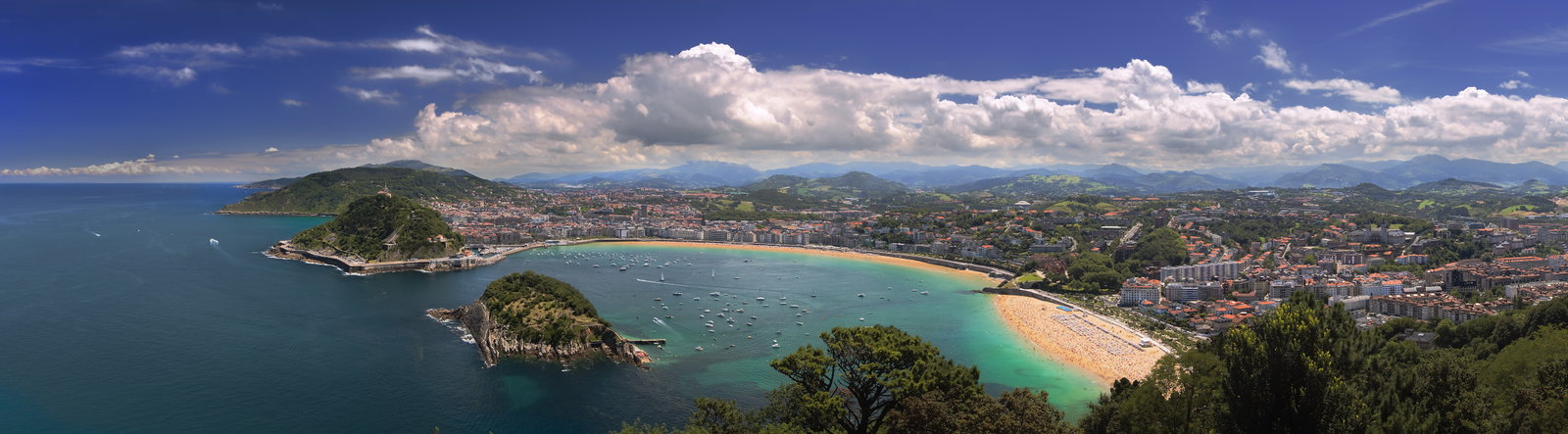
The historic heart of San Sebastián featuring the emblematic La Concha Bay, Town Hall, and Buen Pastor Cathedral. Known for bustling streets lined with pintxo bars, artisan shops, and Gothic and Baroque churches including San Vicente and Santa María del Coro.[2][4][5]
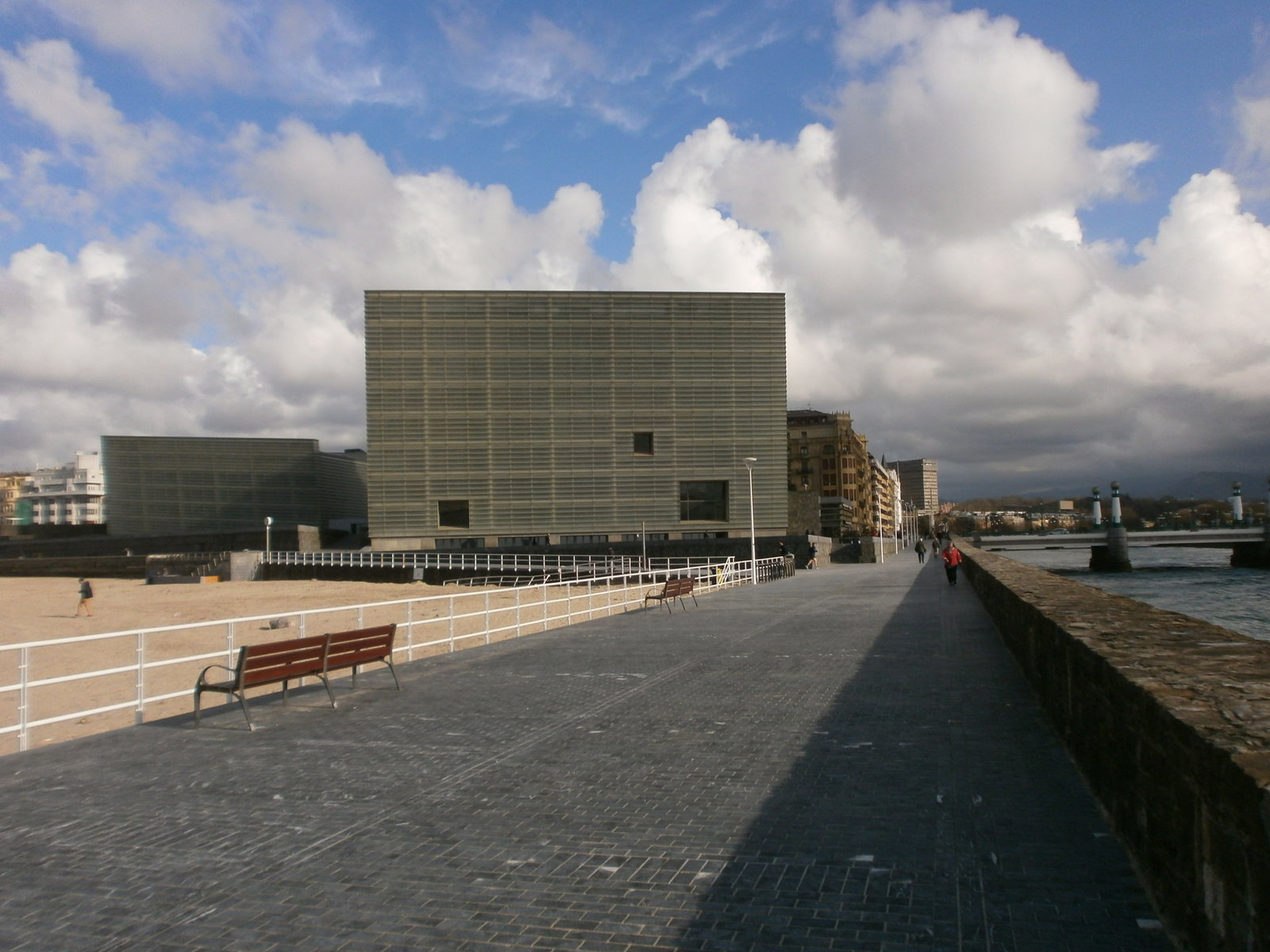
A young, cosmopolitan, and dynamic district featuring Zurriola Beach, a surfer's paradise. Home to the iconic Kursaal Congress Centre designed by Rafael Moneo, which hosts the San Sebastian International Film Festival. Known for many pintxo bars and cultural venues.[2][3][4][5]
A neighborhood featuring Ondarreta Beach and Mount Igeldo. Located in the western part of the city, accessible on foot or by bike along Paseo de la Concha. Known for a local atmosphere less touristy than downtown neighborhoods.[2][4]
A new neighborhood of Donostia featuring one of the most modern architectures of the city. Home to the Iesu Church, designed by architect Rafael Moneo and inaugurated in 2011, known for its avant-garde style and minimalist design.[4]
A neighborhood located to the east of Gros at the end of Zurriola Beach. Once a poor area, it has become one of the most sought-after parts of San Sebastián, offering unbeatable views over the Basque coast. Features El Muro wall and local dining culture.[6]
A neighborhood with the essence of a town, known for its local character and traditional atmosphere. Features cultural and recreational facilities including a pelota court and hippodrome.[4]