This content was generated using artificial intelligence based on publicly available information. It is provided for general informational purposes only and does not constitute legal, tax, immigration, or professional advice. Information may be incomplete or outdated. Always verify with official sources before making decisions.
Data Source: Safety, crime, and quality metrics are sourced from Numbeo, a crowd-sourced global database of reported data.
All scores are relative comparisons on a 0-100 scale, where 50 = global average. Higher scores mean better than average, lower scores mean worse than average.
Point Pedro has a tropical savanna climate (Köppen Aw) with consistently warm temperatures year-round and a pronounced seasonal rainfall pattern. Long dry spells can occur in late winter and early spring, while the wetter months bring heavy showers and high humidity, especially during the northeast monsoon period.
Summer Average
30°C
Winter Average
26°C
Climate Type
Tropical Savanna
Rainy Days
90
Sunny Days
220
Humidity
75%
Spring
March - May
28-32°C
Hot and mostly humid conditions are typical, with rising temperatures toward late spring. Rainfall is usually increasing, especially as the inter-monsoon period develops.
Moderate rainfall
Summer
June - August
29-34°C
Summer is very warm to hot, with frequent cloud cover and the possibility of showers from seasonal winds. Humidity remains high, and short rain events can occur even during otherwise dry stretches.
Moderate rainfall
Autumn
September - November
28-32°C
Autumn is often the wettest part of the year, with heavier rain and occasional thunderstorms. Cloudier skies and persistently muggy conditions are common.
Very High rainfall
Winter
December - February
25-29°C
Winter is warm rather than cool, with lower rainfall than the autumn peak and more dry, sunny periods. Nights are slightly more comfortable, but humidity remains noticeable.
Moderate rainfall
Loading Weather...
Air Quality
Point Pedro
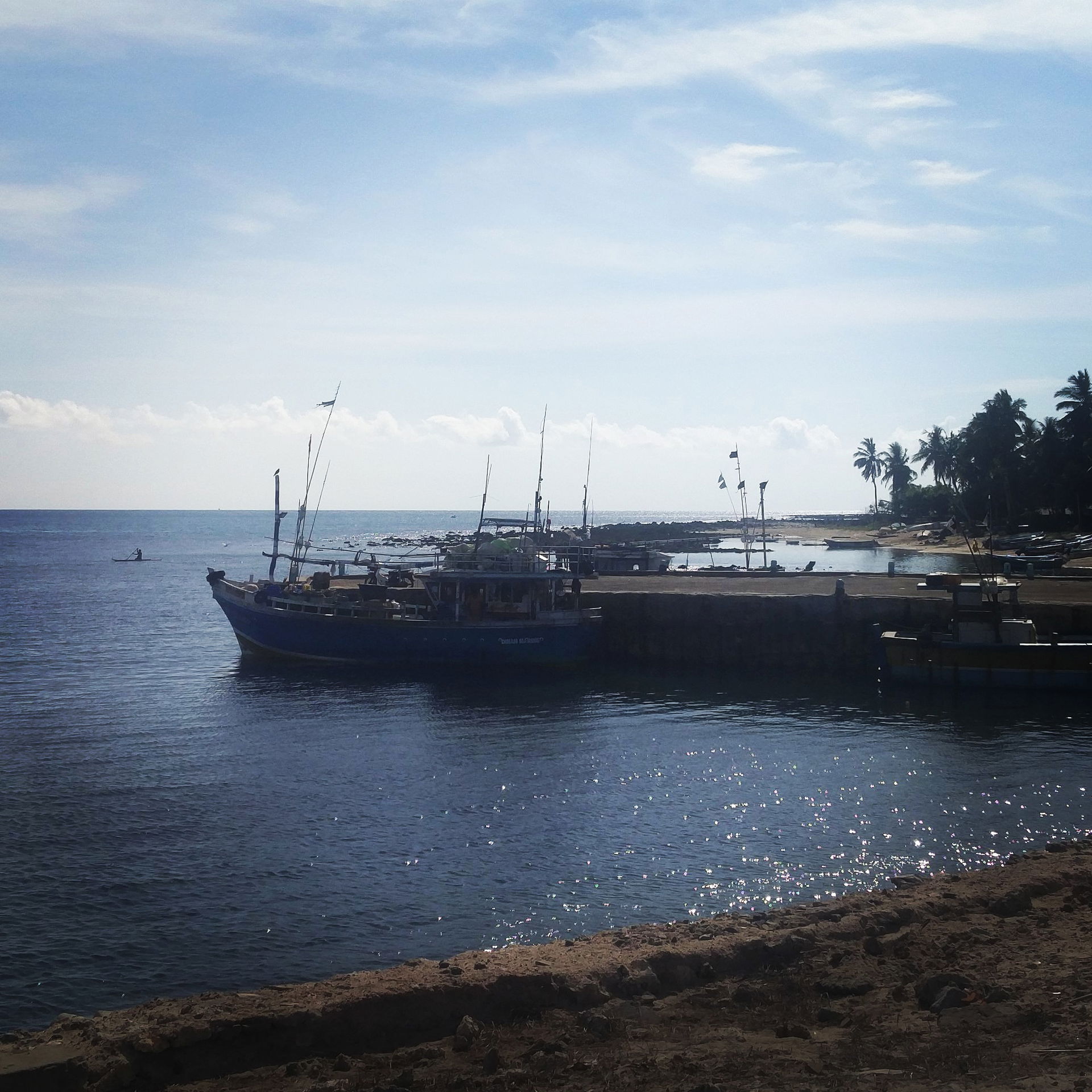
Point Pedro offers a raw, authentic coastal lifestyle for those seeking to escape the frantic pace of major Sri Lankan hubs. It is a place defined by its maritime heritage and a slower, more intentional rhythm of life, making it ideal for remote professionals or retirees prioritizing peace over urban convenience.
While the cost of living remains highly favorable, relocating here requires a mindset shift regarding infrastructure. You will find reliable local transport and decent healthcare, but the town lacks the sophisticated amenities and diverse expat social circles found in Colombo or Galle. It is a destination for those who value cultural immersion and quietude over high-end luxury and constant connectivity.
Advantages
Point Pedro
Abundant natural parks
Close-knit community
Affordable cost of living
Rich cultural heritage
Coastal fishing traditions
Strong religious community
Disadvantages
Point Pedro
Limited higher education options
Few employment opportunities
Inadequate infrastructure development
Minimal nightlife and entertainment
Limited business ecosystem growth
Safety & Security in Point Pedro
Overall Safety Score
Includes resilience and environmental factors
Moderate
57
/100
Sri Lanka Avg
58
Asia Avg
56
Worldwide Avg
56
Crime & Safety Metrics
Thermometer compares Point Pedro to Sri Lanka averages using different marker styles.Compare:
Point Pedro
Sri Lanka Average
Safety Index
0510
Moderate
Safety from Crime
0510
Moderate
Safe Alone (Day)
0510
Good
Safe Alone (Night)
0510
Critical
Safety from Violent Crime
0510
Moderate
Safety from Property Crime
0510
Moderate
Environmental & Natural Hazard Risks
Resilience Score: 72/100
No data for Point Pedro — showing hazard indicators from nearby Nagapattinam (~113 km).