This content was generated using artificial intelligence based on publicly available information. It is provided for general informational purposes only and does not constitute legal, tax, immigration, or professional advice. Information may be incomplete or outdated. Always verify with official sources before making decisions.
Data Source: Safety, crime, and quality metrics are sourced from Numbeo, a crowd-sourced global database of reported data.
All scores are relative comparisons on a 0-100 scale, where 50 = global average. Higher scores mean better than average, lower scores mean worse than average.
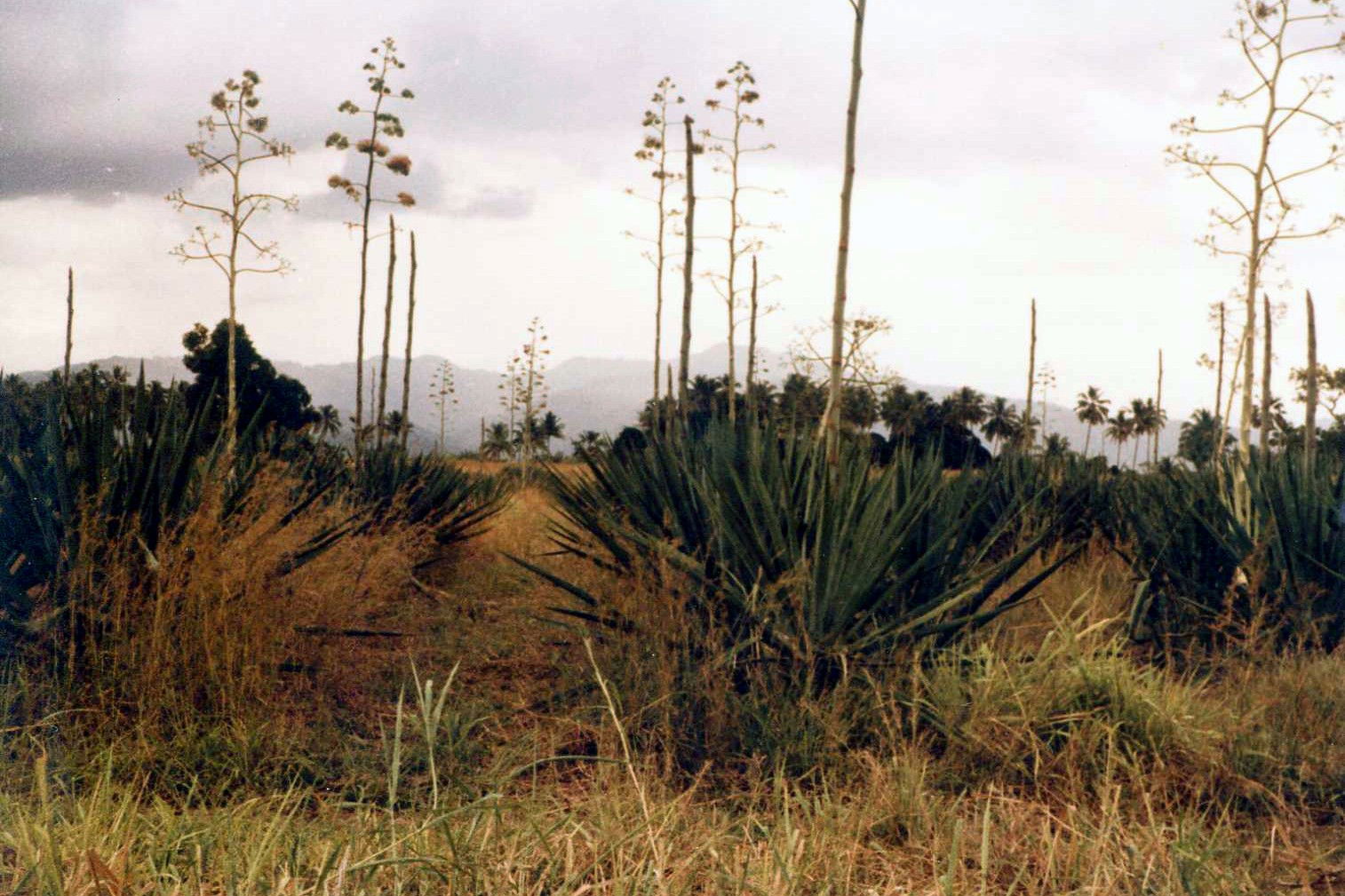
Kilosa offers a grounded, slower-paced alternative to Tanzania’s major hubs, appealing to those seeking an authentic connection to the landscape rather than urban intensity. It is a practical choice for professionals looking to balance a manageable cost of living with a stable, community-oriented environment. You will find reliable public transport and decent healthcare access, making daily logistics smoother than in more remote regions.
However, the lifestyle requires a mindset shift; the lack of established expat infrastructure means you must be self-reliant and comfortable navigating a town that lacks high-end amenities. It is ideal for the independent mover, but perhaps less suited for those seeking a turnkey international community.
Population
91,889
Area
3,380 km²
Density
27 per km²
Founded
-
Language
English, Swahili
Distance to Coast
215 km
Districts & Neighborhoods in Kilosa
Loading districts…
Climate & Weather in Kilosa
Kilosa has a hot semi-arid to subtropical steppe climate (Köppen BSh), with warm temperatures year-round and a pronounced wet season. The hottest period is typically from October to March, while cooler conditions occur from May to August; rainfall is concentrated in the March-April peak and is much lower from June to September. The current overcast, 29.63°C weather is consistent with a warm tropical interior location, but long-term averages are lower than the current reading because daily weather varies seasonally.
Summer Average
26°C
Winter Average
22°C
Climate Type
Subtropical steppe
Rainy Days
125
Sunny Days
240
Humidity
62%
Spring
September - November
24-29°C
Spring is warm to hot and becomes more humid as the rainy season begins. Cloud cover and afternoon showers increase toward November.
Moderate rainfall
Summer
December - February
25-30°C
Summer is the hottest time of year and is often humid, with frequent rainfall or thunderstorms during the wet season. Conditions can feel muggy even when temperatures are only moderately high.
High rainfall
Autumn
March - May
23-28°C
Autumn includes the main rainy season, with the heaviest rainfall often occurring in March and April. Temperatures remain warm, but humidity and cloudiness are high.
Very High rainfall
Winter
June - August
21-25°C
Winter is the coolest and driest period, with clearer skies and much lower rainfall. Nights and early mornings are milder, while daytime conditions remain warm.
Low rainfall
Loading Weather...
Air Quality
Kilosa
Advantages
Kilosa
147 schools for education
Affordable cost of living
Strategic railway hub location
Growing business opportunities
Close-knit community atmosphere
Disadvantages
Kilosa
No universities locally
Limited job opportunities
Poor infrastructure quality
Basic healthcare access
Few entertainment options
Safety & Security in Kilosa
Overall Safety Score
Includes resilience and environmental factors
Moderate
55
/100
Tanzania Avg
56
Africa Avg
54
Worldwide Avg
56
Crime & Safety Metrics
Thermometer compares Kilosa to Tanzania averages using different marker styles.Compare:
Kilosa
Tanzania Average
No city-specific data available — showing Tanzania country averages instead.
Safety Index
0510
Low
Safety from Crime
0510
Concerning
Safe Alone (Day)
0510
Moderate
Safe Alone (Night)
0510
Low
Safety from Violent Crime
0510
Concerning
Safety from Property Crime
0510
Concerning
Environmental & Natural Hazard Risks
Resilience Score: N/A
Data Currently Under Investigation
Environmental risk assessments are being researched. The indicators below show what data will be available soon.