This content was generated using artificial intelligence based on publicly available information. It is provided for general informational purposes only and does not constitute legal, tax, immigration, or professional advice. Information may be incomplete or outdated. Always verify with official sources before making decisions.
Data Source: Safety, crime, and quality metrics are sourced from Numbeo, a crowd-sourced global database of reported data.
All scores are relative comparisons on a 0-100 scale, where 50 = global average. Higher scores mean better than average, lower scores mean worse than average.
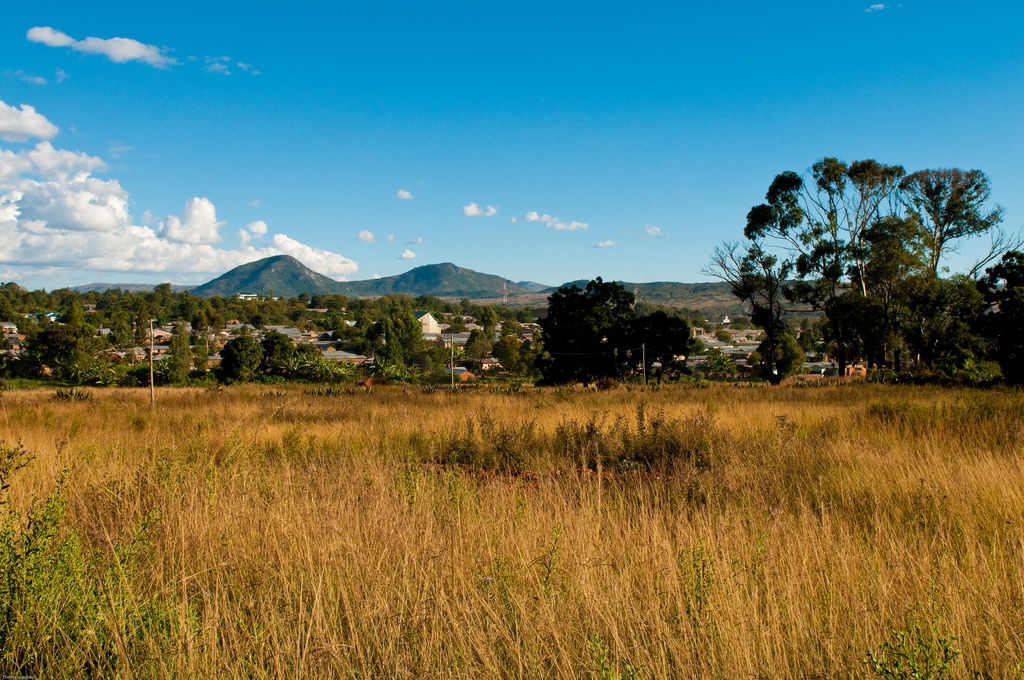
Sumbawanga offers a quiet, unpretentious lifestyle for those seeking to escape the frantic pace of East Africa’s coastal hubs. It is a destination defined by its grounded, rural charm and a slower tempo of life, making it ideal for professionals focused on regional development or community-based projects. You will find a reliable sense of safety and functional local infrastructure, though the social scene remains modest.
While the cost of living is highly favorable, relocation requires a mindset of self-sufficiency. You should expect limited access to specialized healthcare and a lack of established expat enclaves, meaning your comfort will depend heavily on your ability to navigate a more traditional, localized environment.
Population
89,161
Area
-
Density
-
Founded
-
Language
English, Swahili
Distance to Coast
826 km
Districts & Neighborhoods in Sumbawanga
Loading districts…
Climate & Weather in Sumbawanga
Sumbawanga has a tropical savanna climate (Köppen Aw) with warm temperatures year-round and a distinct wet season from roughly November to April, followed by a much drier cool season. Long-term climate sources show average temperatures typically in the mid-teens to mid-20s °C, with rainfall concentrated in the rainy months and moderate annual humidity levels.
Summer Average
24°C
Winter Average
18°C
Climate Type
Tropical savanna
Rainy Days
150
Sunny Days
240
Humidity
68%
Spring
September - November
20-26°C
Spring is warm and usually becoming wetter as the main rainy season approaches. Conditions often shift from mostly dry and sunny in September to more frequent showers by November.
Moderate rainfall
Summer
December - February
22-26°C
Summer is the wettest part of the year, with frequent rain and humid conditions. Temperatures stay warm but are moderated by cloud cover and precipitation.
Very High rainfall
Autumn
March - May
19-24°C
Autumn remains warm, but rainfall begins to taper off toward May. March and April can still be wet, while May is usually the transition toward the dry season.
High rainfall
Winter
June - August
13-22°C
Winter is the coolest and driest season, with clear skies and low rainfall. Nights can feel cool, especially in July, while daytime temperatures remain mild.
Very Low rainfall
Loading Weather...
Air Quality
Sumbawanga
Advantages
Sumbawanga
Extensive school network
Tight-knit community bonds
Affordable cost of living
Growing local opportunities
Peaceful, quiet lifestyle
Disadvantages
Sumbawanga
Limited higher education options
Few employment opportunities
Poor infrastructure development
Minimal entertainment venues
Remote location accessibility
Safety & Security in Sumbawanga
Overall Safety Score
Includes resilience and environmental factors
Moderate
55
/100
Tanzania Avg
56
Africa Avg
54
Worldwide Avg
56
Crime & Safety Metrics
Thermometer compares Sumbawanga to Tanzania averages using different marker styles.Compare:
Sumbawanga
Tanzania Average
No city-specific data available — showing Tanzania country averages instead.
Safety Index
0510
Low
Safety from Crime
0510
Concerning
Safe Alone (Day)
0510
Moderate
Safe Alone (Night)
0510
Low
Safety from Violent Crime
0510
Concerning
Safety from Property Crime
0510
Concerning
Environmental & Natural Hazard Risks
Resilience Score: 86/100
No data for Sumbawanga — showing hazard indicators from nearby Mpulungu (~104 km).