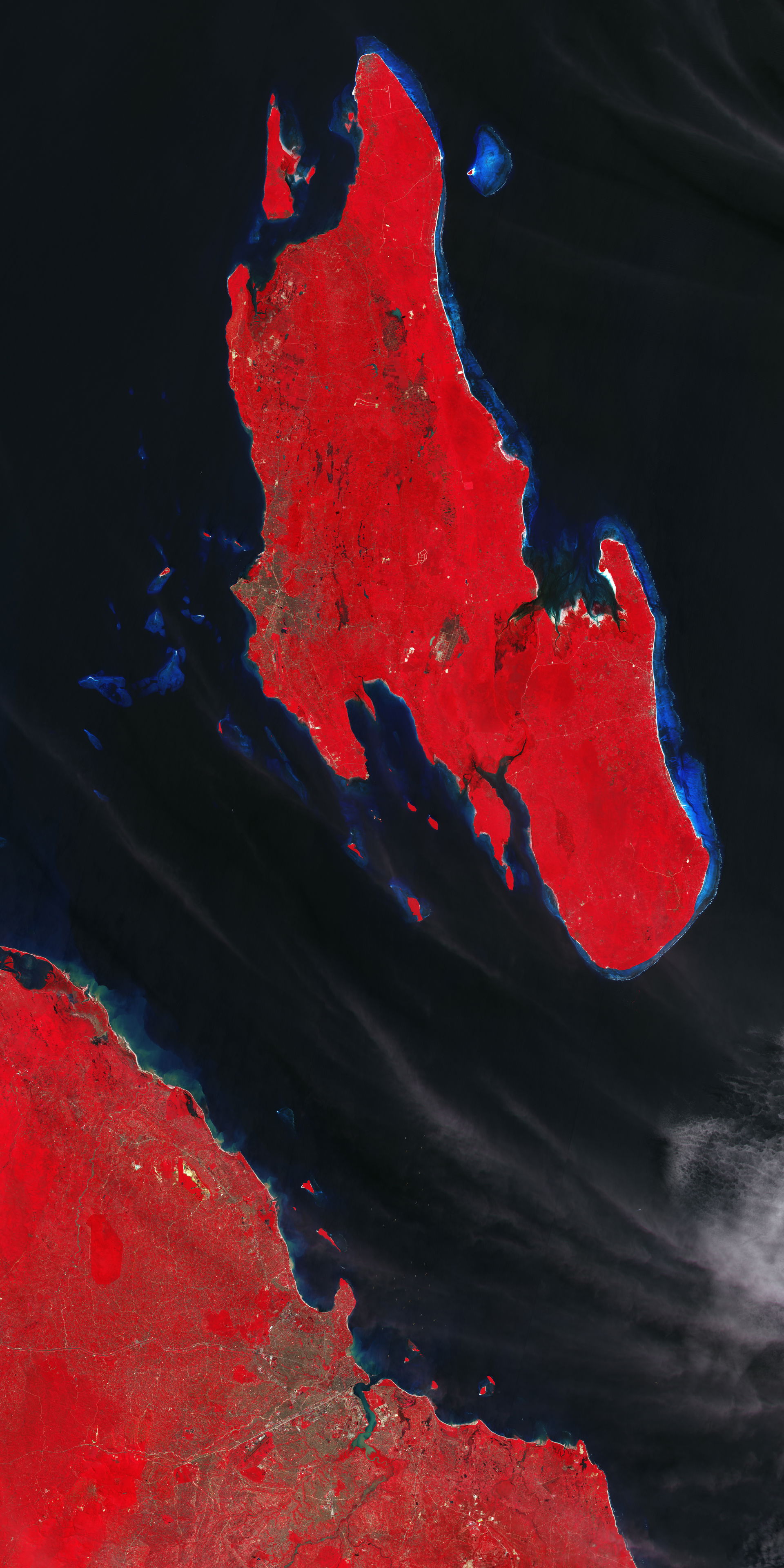
This content was generated using artificial intelligence based on publicly available information. It is provided for general informational purposes only and does not constitute legal, tax, immigration, or professional advice. Information may be incomplete or outdated. Always verify with official sources before making decisions.
Data Source: Safety, crime, and quality metrics are sourced from Numbeo, a crowd-sourced global database of reported data.
All scores are relative comparisons on a 0-100 scale, where 50 = global average. Higher scores mean better than average, lower scores mean worse than average.
Zanzibar has a hot, humid tropical savanna climate (Köppen Aw) with warm temperatures year-round and distinct wet and dry seasons. The island is typically wetter from March to May and again in the short rains around November to December, while June to October is comparatively drier and sunnier. The current weather conditions of 25.29°C, 77% humidity, and light rain are consistent with its humid coastal climate.
Summer Average
28°C
Winter Average
25°C
Climate Type
Tropical Savanna
Rainy Days
120
Sunny Days
230
Humidity
77%
Spring
September - November
25-29°C
Conditions are warm and increasingly humid, with the short rainy season often beginning in November. Skies can alternate between sunny spells and brief showers.
Moderate rainfall
Summer
December - February
27-31°C
This is one of the warmest periods of the year, with high humidity and frequent sunshine between showers. Rain is usually less persistent than in the main long-rains season.
Moderate rainfall
Autumn
March - May
26-30°C
This is the main rainy season, with heavier and more frequent rainfall, especially in April and May. Temperatures remain warm, but cloud cover and humidity are often high.
High rainfall
Winter
June - August
24-28°C
This is the driest and most comfortable season for many visitors, with lower rainfall and lots of sunshine. Humidity remains noticeable because of the island’s coastal location.
Low rainfall
Loading Weather...
Air Quality
Zanzibar
Zanzibar offers a compelling lifestyle for those seeking a slower, island-paced existence centered around coastal living and a rich, multicultural heritage. It is an ideal destination for remote professionals or entrepreneurs drawn to a tropical environment that feels worlds away from the urban grind. While the island provides a high quality of life for those who value community and natural beauty, it requires a mindset shift toward patience.
Practicality is the primary consideration here; while healthcare and transport are functional, they lack the seamless efficiency of major global hubs. You will find a comfortable standard of living, but you must be prepared to navigate occasional infrastructure limitations and a more localized pace of service.
Advantages
Zanzibar
Pristine tropical beaches
Rich cultural heritage
Affordable cost living
Warm welcoming community
Island paradise setting
Disadvantages
Zanzibar
Limited job opportunities
Poor infrastructure outside Stone Town
No coworking spaces available
Expensive accommodation costs
Limited higher education options
Safety & Security in Zanzibar
Overall Safety Score
Includes resilience and environmental factors
Moderate
53
/100
Tanzania Avg
55
Africa Avg
54
Worldwide Avg
56
Crime & Safety Metrics
Thermometer compares Zanzibar to Tanzania averages using different marker styles.Compare:
Zanzibar
Tanzania Average
Safety Index
0510
Low
Safety from Crime
0510
Concerning
Safe Alone (Day)
0510
Moderate
Safe Alone (Night)
0510
Low
Safety from Violent Crime
0510
Concerning
Safety from Property Crime
0510
Concerning
Environmental & Natural Hazard Risks
Resilience Score: 76/100
No data for Zanzibar — showing hazard indicators from nearby Dar es Salaam (~72 km).