Good option
Quality of life index out of 100

Turkey
Aegean Sea, Black Sea, Levantine Sea, Mediterranean Sea · Turkish
Turkey
{ "tagline": "Turkey delivers year-round sunshine, sea at your doorstep, and top healthcare — at half Western costs with easy remote work visas and no rush to learn Turkish." }
What it's like to live in Turkey· AI overview
Turkey is a transcontinental nation strategically positioned at the crossroads of Europe and Asia, with territory spanning both continents. Located primarily in Anatolia (Asian Turkey), the country also includes a smaller northwestern region in the B...
Your Turkey Roadmap
40+ page personal relocation analysis — visa path, tax strategy, neighbourhood guide, healthcare setup and more.
- ✓Visa & residency path
- ✓Tax optimisation
- ✓Neighbourhood guide
- ✓Healthcare & schools
- ✓Cost breakdown
With a safety index of 59/100, Turkey offers moderate safety conditions for expats and their families.
Turkey offers visa-free entry to citizens of over 100 countries, including the United States, Canada, United Kingdom, Australia, and most EU nations, for tourism or business stays up to 90 days within any 180-day period. This policy was expanded in 2024 to include US and Canadian passport holders previously requiring eVisas, eliminating the $50 fee and simplifying access.[2][4][6] All visitors must hold a passport valid for at least 60 days beyond the planned stay (e.g., 150 days total for 90-day...
Discover Cities in Turkey
View all cities in TurkeyCreate your free profile to see personalized match scores.


Turkey shows a purchasing power index of 82/100, indicating excellent economic conditions for expats.
GDP
$905.99B
Total economic output of the country
HDI
0.84
Very high human development
Quality of Life
63/100
Good quality of life — above global average
Purchasing Power
34/100
Weak purchasing power — salaries don't stretch far
Understanding the economic landscape is essential for evaluating living costs and opportunities in Turkey. This comprehensive overview covers key financial indicators including cost of living, housing markets, income levels, and fiscal policies that shape daily life and long-term financial planning.
Cost of Living Index
Cost of living in Turkey is very affordable with a CPI of 38. Read more
Housing Market
Property prices are affordable, with a property price to income ratio of 6. Read more
Average Income Levels
The purchasing power index is 82. Read more
Tax System
Turkey operates a progressive income tax system for 2025, with rates ranging from 15% to 40%. Read more
Business Environment
Turkey's startup ecosystem is dynamic and growing, with Istanbul ranked #3 among Emerging Startup Ecosystems in 2025. Read more
Social Security
Turkey provides universal healthcare through the SGK, accessible to expats after one year of residency. Read more
Banking & Financial Safety
Deposits in Turkey are protected up to TRY 650,000 (approximately USD 14,365 as of May 2026) per depositor per bank by the Saving Deposits Insurance Fund (SDIF). Read more
Tax information is currently being researched.
Climate
Turkey's climate is diverse and generally temperate, shaped by its varied geography spanning Mediterranean coasts, Black Sea shores, continental interiors, and high plateaus. The country experiences hot, dry summers and mild, rainy winters along the coasts, transitioning to more extreme continental conditions inland with cold, snowy winters and significant day-night temperature swings.
Mediterranean, Continental, Oceanic, Humid subtropical
25–35°C
0–15°C
3000+ hrs/yr
5 distinct climate regions — see full guide for details
Read full guideDemographics in Turkey
Ethnic Composition
Long-term Expat Guide in Turkey
Gallery for Turkey
20 photosEconomic overview
Cost of living in Turkey is very affordable with a CPI of 38. Property prices are affordable, with a property price to income ratio of 6. The purchasing power index is 82.
Economy detailWork & Business
- Employment rate: 65.0%
- Salary range: TRY 300,000–TRY 1,200,000/year
- Startup ecosystem: 6.2/10
- Business registration: 3-7 business days, TRY 10,000 min capital
- Top industries: Manufacturing, Tourism, Construction, Agriculture, Textiles
- Regulated by 2021 Remote Work Regulation; contracts must specify terms, employers cover costs pro…
Purchasing power
The purchasing power index is 82. Cost of living in Turkey is very affordable with a CPI of 38.
Compare purchasing powerHealthcare
- Health insurance is mandatory for all foreigners residing in Turkey, with specific requirements for residence permit applications.
- Turkey operates a dual healthcare system comprising public services (SGK/GSS) and a rapidly growing private sector, offering diverse options for expats.
- Foreigners must typically hold private health insurance for their first year of residency before becoming eligible to voluntarily enroll in the public SGK system.
- The public healthcare system (SGK) provides comprehensive coverage at a lower cost but may involve longer waiting times and language barriers.
- Private hospitals offer modern facilities, shorter waiting times, and English-speaking staff, making them a popular choice for expats, albeit at a higher cost.
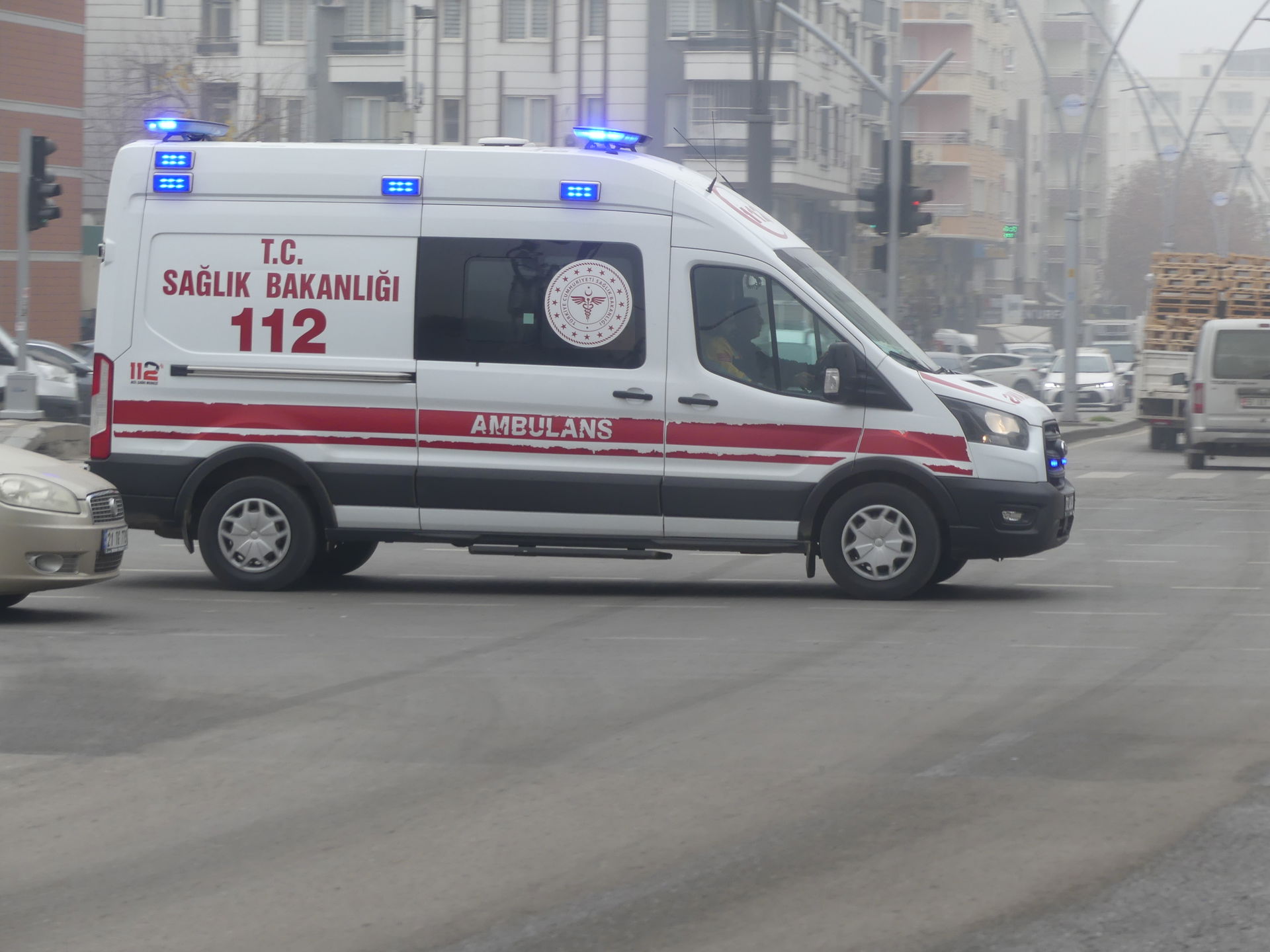
- Emergency services are accessed via the unified 112 number, with free treatment for life-threatening conditions in public hospitals regardless of insurance status.
- Turkey is a leading destination for medical tourism, known for high-quality, affordable treatments in specialties like cosmetic surgery, dentistry, and hair transplantation.
- As of 2025, foreign residents are required to pay a flat fee for access to family doctors, reflecting ongoing reforms to expat healthcare access.
Retirement & benefits
Turkey has no dedicated retirement or passive income visa. PAYG system via SGK with contributory pensions based on earnings and years contributed (retirement age 60-65).
Unlock PremiumTransportation
Turkey, with a population of 84.3 million, features a dynamic transportation landscape dominated by extensive road networks and rapid rail expansion. Key strengths include 386 airports (64 major), ambitious high-speed rail projects reaching over 2,700 km by 2026, and massive ₺508 billion investments in 2026 prioritizing railways. Challenges involve urban congestion and uneven rural connectivity.
Transportation guideLegal & Administrative
Legal & Administrative in Turkey
Environment & Sustainability in Turkey
Turkey operates as a centralized presidential republic under President Recep Tayyip Erdoğan and the AKP since 2018, with a unicameral legislature dominated by the ruling coalition. The 2024 local elections marked a significant opposition gain led by CHP, while efforts for a new constitution continue amid concerns over democratic backsliding and institutional centralization.
Ready to stop
browsing and start moving?
Generate a personalized relocation roadmap — visa path, 3 shortlisted cities, tax & timeline.
Data Source: Safety, crime, and quality metrics are sourced from Numbeo, a crowd-sourced global database of reported data.
All scores are relative comparisons on a 0-100 scale, where 50 = global average. Higher scores mean better than average, lower scores mean worse than average.
Social Integration
Limited information available on social integration for expats in Turkey from specified sources (Reddit r/expats, r/IWantOut, r/Turkey; Meetup, Internations). Search results focus on economic challenges, high youth emigration (424k left in 2024 vs 315k immigrants), NEET youth isolation needing social capital, and refugee hosting (world's largest). Turkey (pop 84M, 99.8% Muslim, Turkish language) shows moderate openness but faces integration barriers due to economic hardship, language, and cultural norms.
Social integration guideEnvironment & Sustainability
Turkey faces significant environmental challenges including severe droughts, record low rainfall in 52 years (26% below average in 2024-2025), rising temperatures (e.g., July 2025 hottest in 55 years at +1.9°C), and increasing extreme weather like wildfires and floods due to climate change. Water crisis affects 88% of the country risking desertification, while policies rate highly insufficient for 1.5°C goals with emissions still rising. Sustainability efforts include renewable targets but lack fossil fuel phase-out.
Environment guide