This content was generated using artificial intelligence based on publicly available information. It is provided for general informational purposes only and does not constitute legal, tax, immigration, or professional advice. Information may be incomplete or outdated. Always verify with official sources before making decisions.
Data Source: Safety, crime, and quality metrics are sourced from Numbeo, a crowd-sourced global database of reported data.
All scores are relative comparisons on a 0-100 scale, where 50 = global average. Higher scores mean better than average, lower scores mean worse than average.
Daytona offers a laid-back, coastal lifestyle centered around Atlantic rhythms and a slower pace of life than most major U.S. hubs. It is an attractive option for those seeking a significantly lower cost of living compared to metropolitan baselines, making it easier to secure comfortable housing and a relaxed daily routine.
While the city provides reliable healthcare and functional public transit, the expat community remains relatively small and niche. You will find a welcoming environment, but you should be prepared for a more localized social scene and a reliance on personal vehicles for full mobility. It is a practical choice for those prioritizing affordability and sun over high-density urban amenities.
Population
72,647
Area
103 km²
Density
705 per km²
Founded
-
Language
English
Distance to Coast
3 km
Districts & Neighborhoods in Daytona
Loading districts…
Climate & Weather in Daytona
Daytona Beach has a humid subtropical climate (Köppen Cfa) with hot, humid summers and mild winters. Rainfall is fairly well distributed through the year but is typically higher in the warm season, when afternoon thunderstorms are common; the city also has abundant sunshine overall and a notable hurricane risk in late summer and fall.
Summer Average
31°C
Winter Average
17°C
Climate Type
Humid Subtropical
Rainy Days
113
Sunny Days
97
Humidity
75%
Spring
March - May
20-28°C
Spring is warm and increasingly humid, with a gradual rise in afternoon highs and frequent sunny periods. Thunderstorms become more common as the season progresses.
Moderate rainfall
Summer
June - August
28-33°C
Summer is hot, humid, and often feels muggy, with frequent afternoon thunderstorms. Daily highs commonly reach the low 30s°C, and this is the wettest part of the year.
High rainfall
Autumn
September - November
21-29°C
Autumn stays warm at first and then becomes milder later in the season. Rain and storm chances usually ease after the peak hurricane period, though early fall can still be unsettled.
Moderate rainfall
Winter
December - February
13-22°C
Winter is mild and generally pleasant, with cool nights and comfortable daytime temperatures. Freezing weather is uncommon, and rainfall is usually lower than in summer.
Low rainfall
Loading Weather...
Air Quality
Daytona
Advantages
Daytona
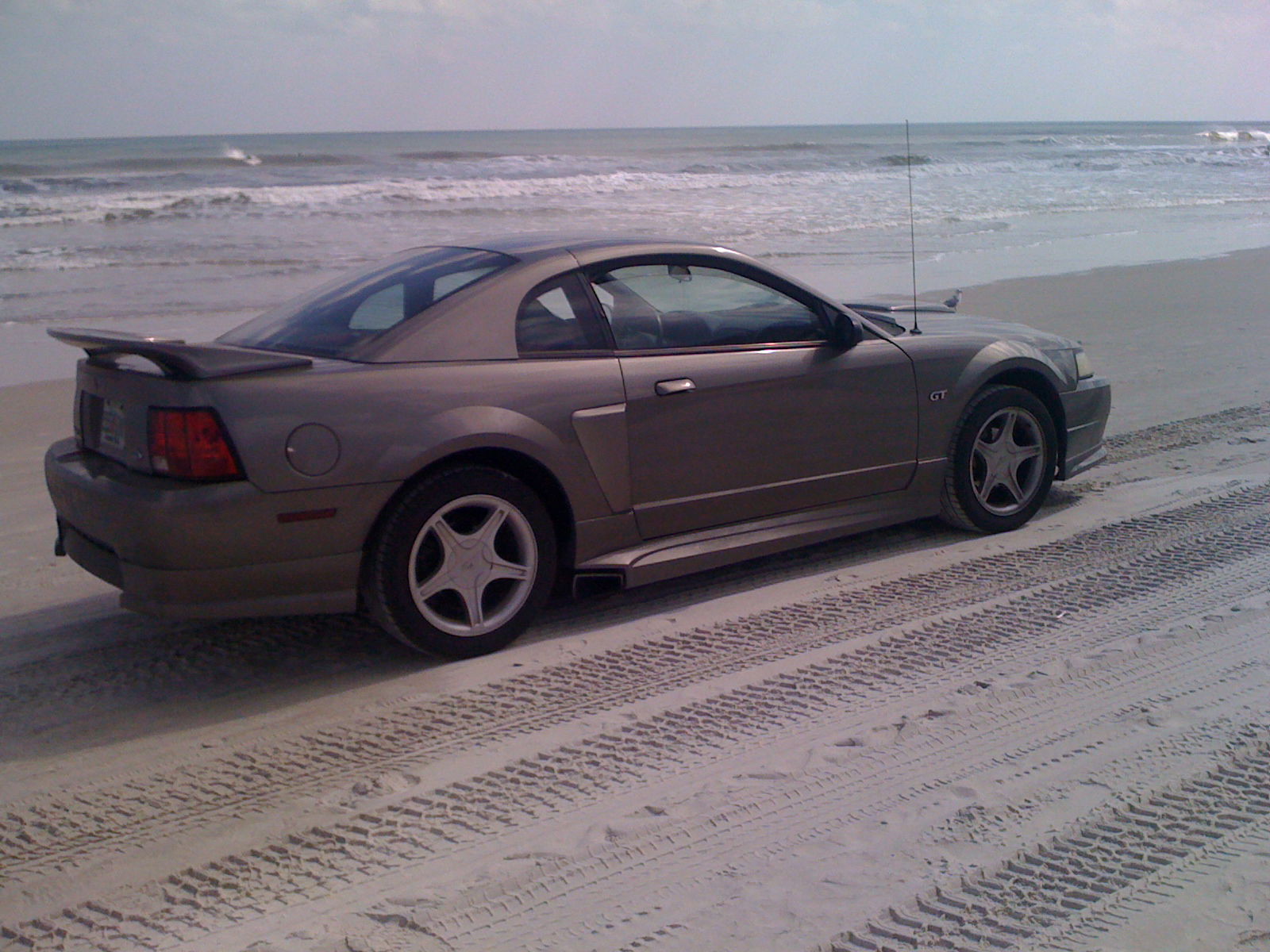
World-famous beach racing
Beautiful Atlantic coastline
Abundant parks and recreation
Rich cultural attractions
Affordable coastal living
Disadvantages
Daytona
Limited job opportunities
Seasonal tourism volatility
No coworking spaces
Hurricane vulnerability
Aging infrastructure
Safety & Security in Daytona
Overall Safety Score
Includes resilience and environmental factors
Moderate
52
/100
United States Avg
59
North America Avg
57
Worldwide Avg
57
Crime & Safety Metrics
Thermometer compares Daytona to United States averages using different marker styles.Compare: