This content was generated using artificial intelligence from data NestFainder gathers from public sources and licensed data providers. It is provided for general informational purposes only and does not constitute legal, tax, immigration, or professional advice. Information may be incomplete or outdated. Always verify with official sources before making decisions.
Data Source: Safety, crime, and quality metrics are sourced from Numbeo, a crowd-sourced global database of reported data.
All scores are relative comparisons on a 0-100 scale, where 50 = global average. Higher scores mean better than average, lower scores mean worse than average.
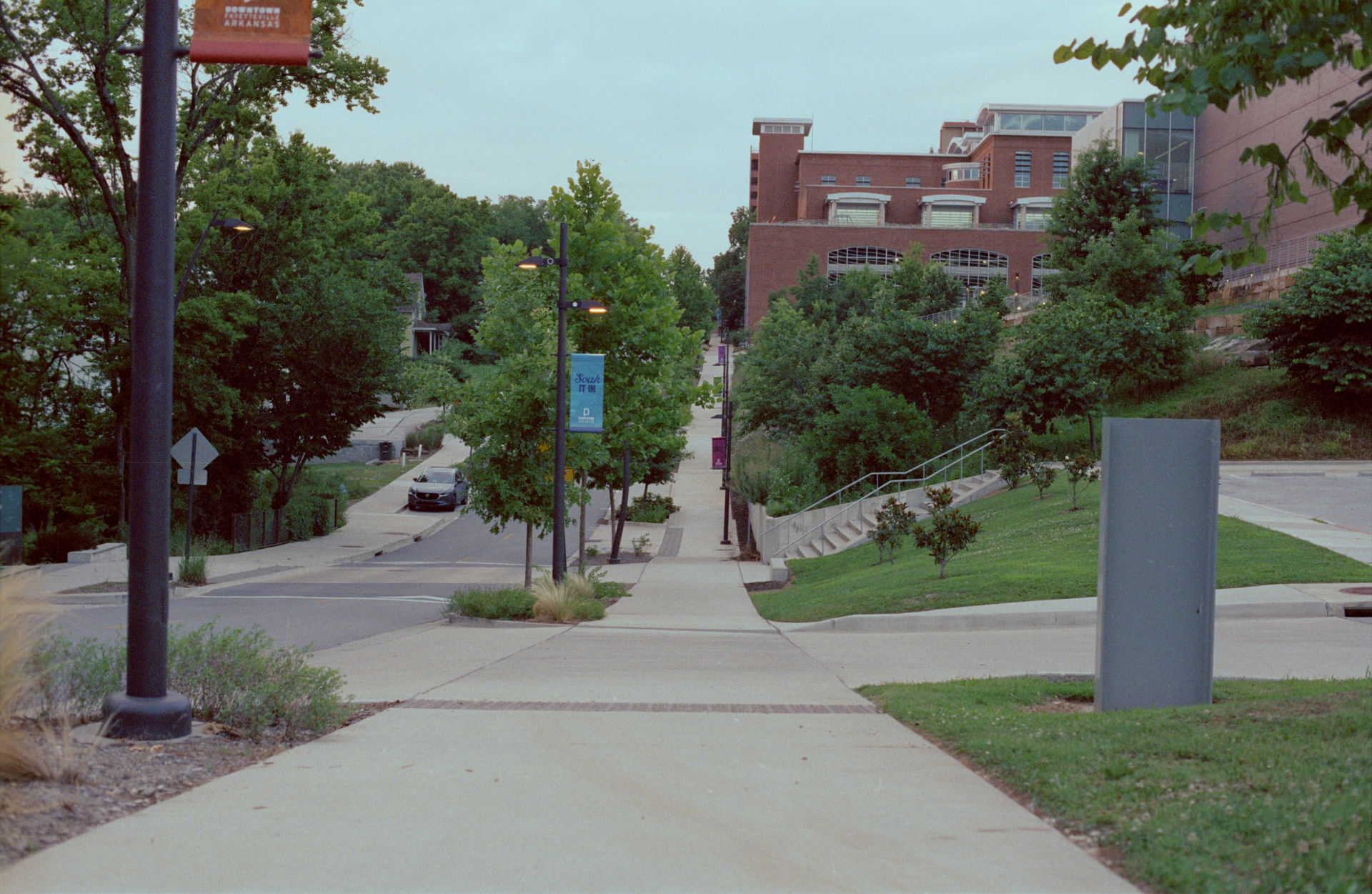
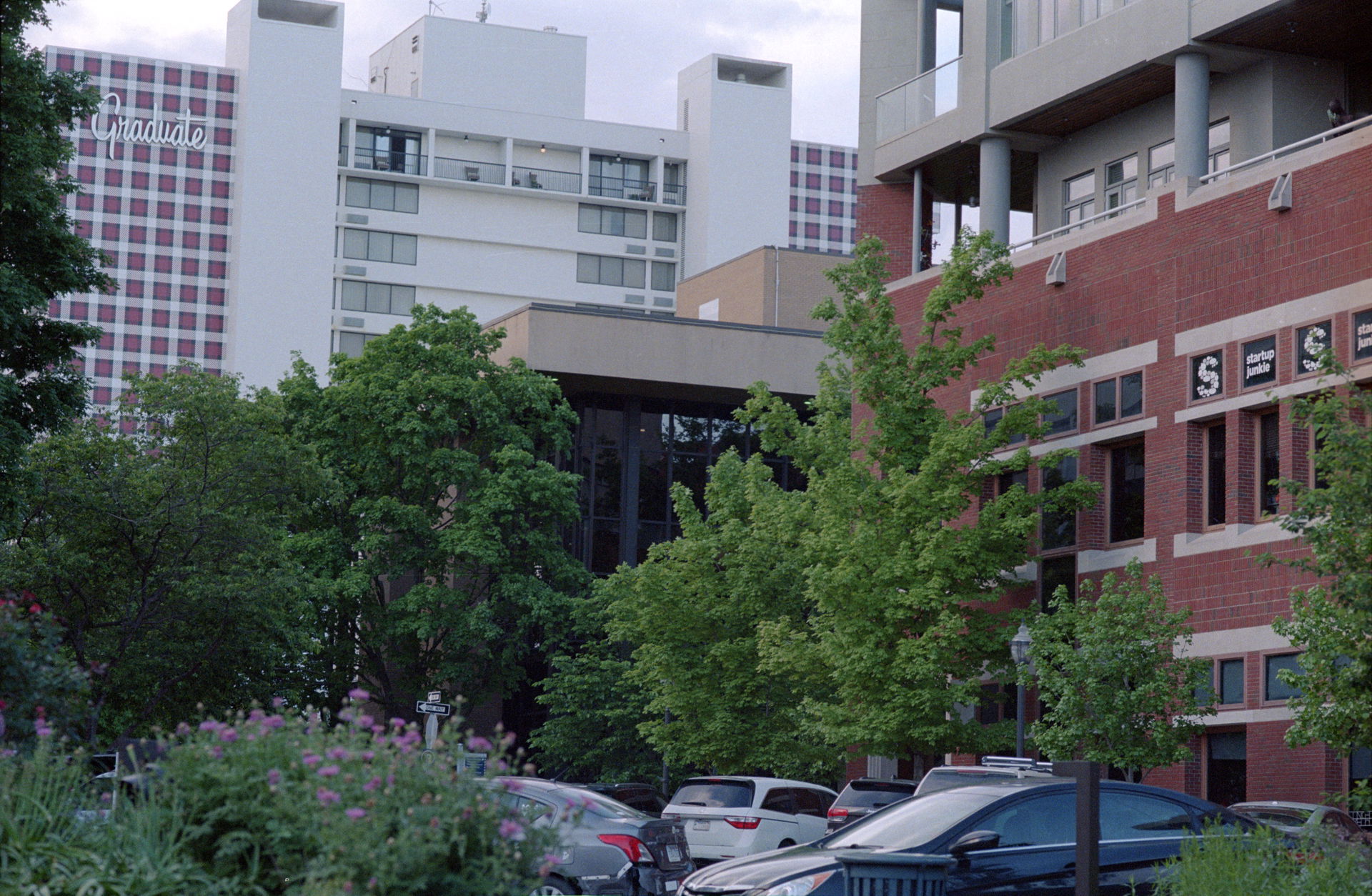
Fayetteville offers a refreshing alternative to expensive coastal cities—affordable living, solid healthcare, and reliable transit make it genuinely livable for expat families and remote workers. The city punches above its weight with a growing tech scene, walkable downtown, and a welcoming community that doesn't feel transient. Safety is reasonable, and you'll actually be able to afford a house here.
The trade-off: it's a smaller city in Arkansas, so don't expect the cultural density or international networks of major metros. You'll need a car for some things despite decent public transport, and the expat community is still emerging rather than established. That said, if you're seeking affordability without sacrificing quality of life—and you're comfortable being a bit of a pioneer—Fayetteville deserves serious consideration.
Fayetteville has a humid subtropical climate (Köppen Cfa), with hot, humid summers and mild to cool winters. Annual precipitation is fairly high and distributed through the year, so residents can expect frequent rain and noticeable seasonal variation without extreme winter cold.
Summer Average
27°C
Winter Average
7°C
Climate Type
Humid Subtropical
Rainy Days
110
Sunny Days
225
Humidity
72%
Spring
March - May
15-24°C
Spring is mild to warm and becomes increasingly humid as the season progresses. Rainfall is fairly common, with showers and thunderstorms becoming more frequent in late spring.
Moderate rainfall
Summer
June - August
24-33°C
Summer is hot and humid, with frequent afternoon thunderstorms and muggy conditions. Current conditions of overcast skies and very high humidity are consistent with the city's typical warm-season moisture.
High rainfall
Autumn
September - November
12-24°C
Autumn is generally comfortable and gradually cools from early-season warmth to crisp late-fall weather. Rain remains possible, but humidity and storm frequency usually decline compared with summer.
Moderate rainfall
Winter
December - February
3-12°C
Winter is cool and relatively short, with occasional cold snaps but limited sustained freezing weather. Precipitation still occurs, mainly as rain, with snow uncommon and usually light when it does occur.
Moderate rainfall
Loading Weather...
Air Quality
Fayetteville
Advantages
Fayetteville
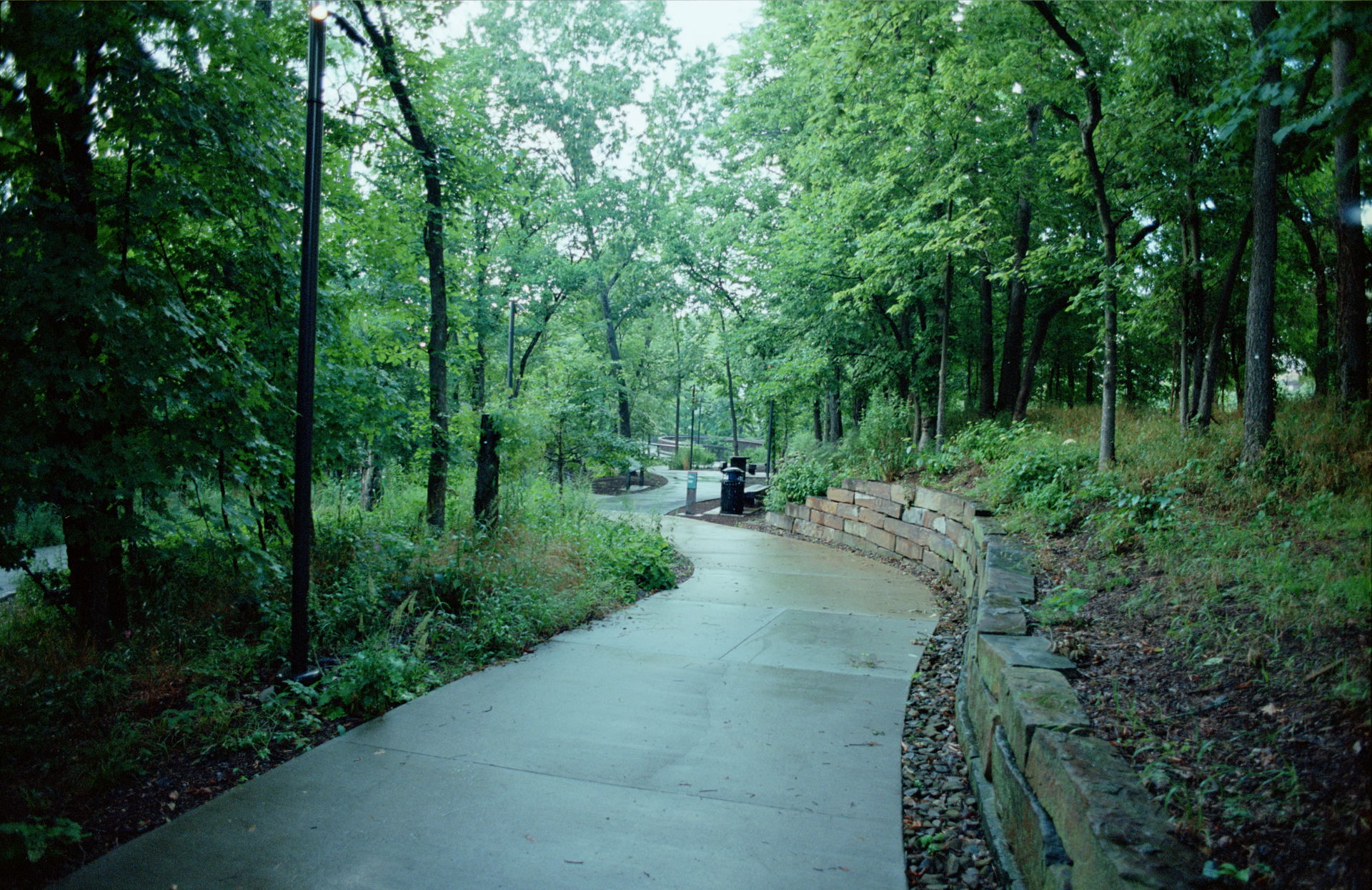
Abundant parks and recreation
Strong university presence
Diverse cultural attractions
Growing business opportunities
Affordable cost of living
Disadvantages
Fayetteville
Limited coworking infrastructure
Modest nightlife options
Hot, humid summers
Traffic congestion growing
Safety & Security in Fayetteville
Overall Safety Score
Includes resilience and environmental factors
Good
71
/100
United States Avg
61
North America Avg
59
Worldwide Avg
59
Crime & Safety Metrics
Thermometer compares Fayetteville to United States averages using different marker styles.Compare: