This content was generated using artificial intelligence based on publicly available information. It is provided for general informational purposes only and does not constitute legal, tax, immigration, or professional advice. Information may be incomplete or outdated. Always verify with official sources before making decisions.
Data Source: Safety, crime, and quality metrics are sourced from Numbeo, a crowd-sourced global database of reported data.
All scores are relative comparisons on a 0-100 scale, where 50 = global average. Higher scores mean better than average, lower scores mean worse than average.
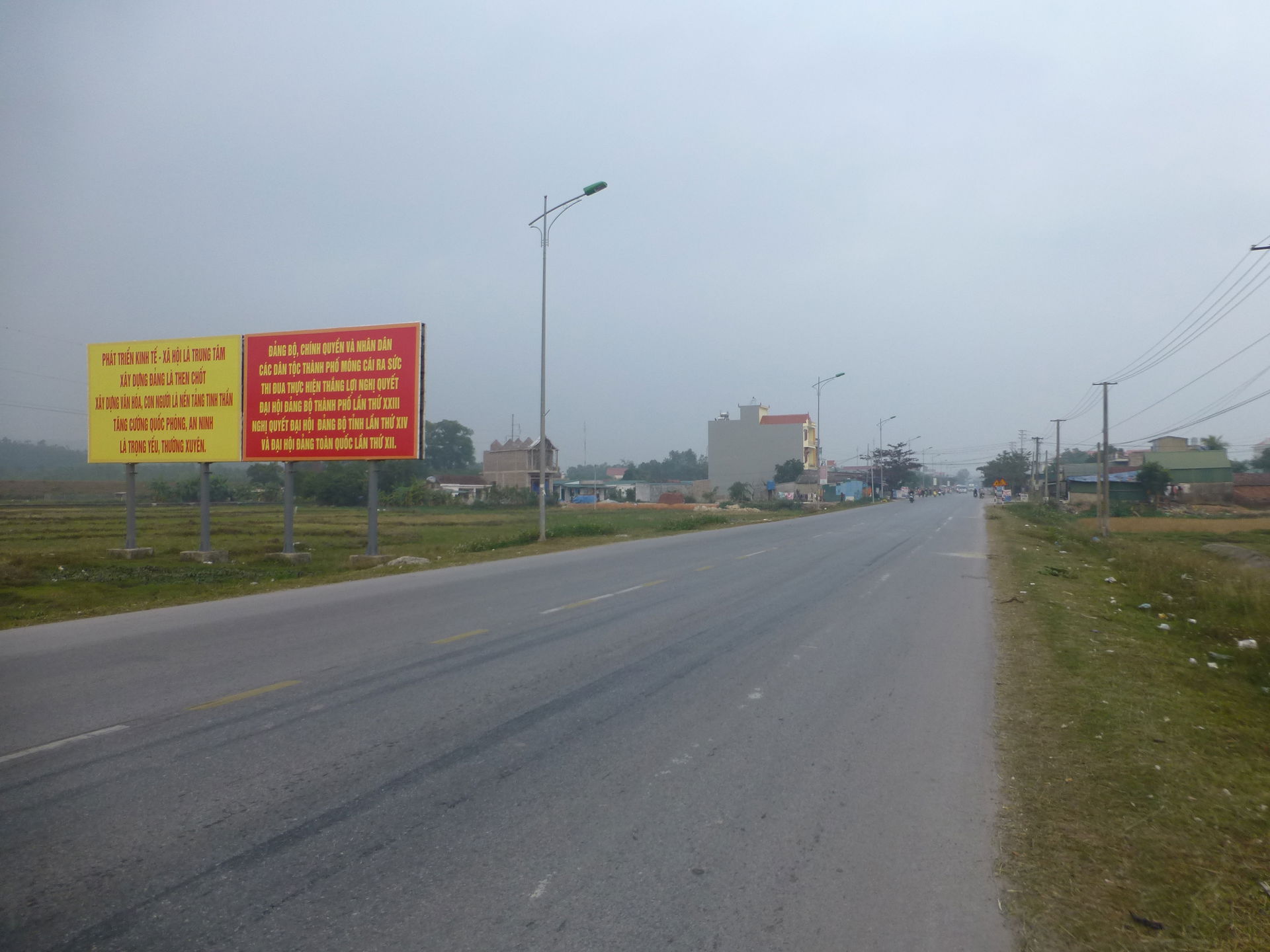
Móng Cái offers an intriguing frontier experience for expats seeking an off-the-beaten-path Vietnamese destination. Situated on the northeastern border with China, this emerging city provides a unique blend of industrial opportunity and coastal charm, with relatively affordable living costs and a growing international business presence. The city's strategic location makes it particularly attractive for professionals in trade, logistics, and cross-border commerce.
Safety and infrastructure are solid for a border region, with a stable 7/10 rating that suggests a comfortable living environment. While not a mainstream expat hub, Móng Cái rewards adventurous professionals with authentic Vietnamese culture, proximity to economic zones, and a less saturated market compared to larger cities like Hanoi or Ho Chi Minh City. Expect a pragmatic, no-frills lifestyle with genuine local interactions and emerging economic potential.
Population
108,553
Area
97 km²
Density
1,115 per km²
Founded
-
Language
Vietnamese
Distance to Coast
3 km
Districts & Neighborhoods in Móng Cái
Loading districts…
Climate & Weather in Móng Cái
Móng Cái has a humid subtropical to tropical monsoon-influenced climate, with hot, very humid summers and a cooler, drier winter season. Long-term weather patterns show a pronounced wet season with frequent cloud cover and a relatively clearer period in the cooler months, while humidity remains high through most of the year. The current overcast, 29.61°C, 82% humidity conditions are consistent with the city's warm and moist climate profile.
Summer Average
29°C
Winter Average
18°C
Climate Type
Tropical Monsoon
Rainy Days
165
Sunny Days
180
Humidity
84%
Spring
March - May
22-28°C
Spring is warm, increasingly humid, and often cloudy as rainfall begins to increase. Conditions can feel muggy by late spring, especially before the main rainy season intensifies.
Moderate rainfall
Summer
June - August
27-31°C
Summer is the hottest and wettest period, with frequent heavy showers, high humidity, and persistent cloud cover. Heat and moisture combine to make outdoor conditions feel oppressive at times.
Very High rainfall
Autumn
September - November
23-28°C
Autumn stays warm but becomes gradually less rainy and more comfortable than midsummer. Early autumn can still see lingering storms, while late autumn is usually drier and clearer.
High rainfall
Winter
December - February
15-20°C
Winter is relatively mild compared with inland northern Vietnam, with cooler temperatures, lower rainfall, and more frequent clear or partly clear days. Humidity remains noticeable, but the season is generally the most comfortable part of the year.
Moderate rainfall
Loading Weather...
Air Quality
Móng Cái
Advantages
Móng Cái
Border trade hub
Coastal economic zone
Strategic China proximity
Emerging tourism potential
Affordable living costs
Disadvantages
Móng Cái
Border town economic limitations
Limited career opportunities
Minimal cultural infrastructure
Remote geographical location
Safety & Security in Móng Cái
Overall Safety Score
Includes resilience and environmental factors
Good
61
/100
Vietnam Avg
62
Asia Avg
57
Worldwide Avg
56
Crime & Safety Metrics
Thermometer compares Móng Cái to Vietnam averages using different marker styles.Compare:
Móng Cái
Vietnam Average
No city-specific data available — showing Vietnam country averages instead.