



Review carefully
Review carefully
Quality of life index out of 100
Western Sahara
Atlantic Ocean · Berber
Western Sahara
Western Sahara delivers endless Saharan dunes and coastal calm under Algerian dinars — your gateway to Africa's unclaimed frontier at a fraction of settled costs.
What it's like to live in Western Sahara
Western Sahara presents a unique and complex environment for potential expatriates, characterized by a challenging desert landscape and ongoing territorial disputes that significantly shape daily life. The region is predominantly arid, with sparse po...
Your Western Sahara Roadmap
40+ page personal relocation analysis — visa path, tax strategy, neighbourhood guide, healthcare setup and more.
- ✓Visa & residency path
- ✓Tax optimisation
- ✓Neighbourhood guide
- ✓Healthcare & schools
- ✓Cost breakdown
Healthcare
- Healthcare in Western Sahara is largely integrated with Morocco's system in the Moroccan-administered areas, offering a mix of public and private facilities.
- Public healthcare, while undergoing reforms, often falls short of Western standards, leading many expats to opt for private care.
- Expats working in Moroccan-administered areas are typically required to contribute to the public health insurance scheme (AMO) but often supplement with private or international insurance.
Western Sahara's entry requirements are governed by Morocco, which administers most of the territory. Citizens of visa-exempt countries including the United States, Canada, United Kingdom, Australia, EU nations, and Japan can enter the Moroccan-controlled areas of Western Sahara without a visa for up to 90 days for tourism, surfing, or desert exploration. Entry is typically via Morocco (airports in Casablanca, Marrakech, or direct flights to Laayoune/Dakhla), where Moroccan border controls apply uniformly. Essential entry requirements for all travelers include: -...
Discover Cities in Western Sahara
View all cities in Western SaharaCreate your free profile to see personalized match scores.


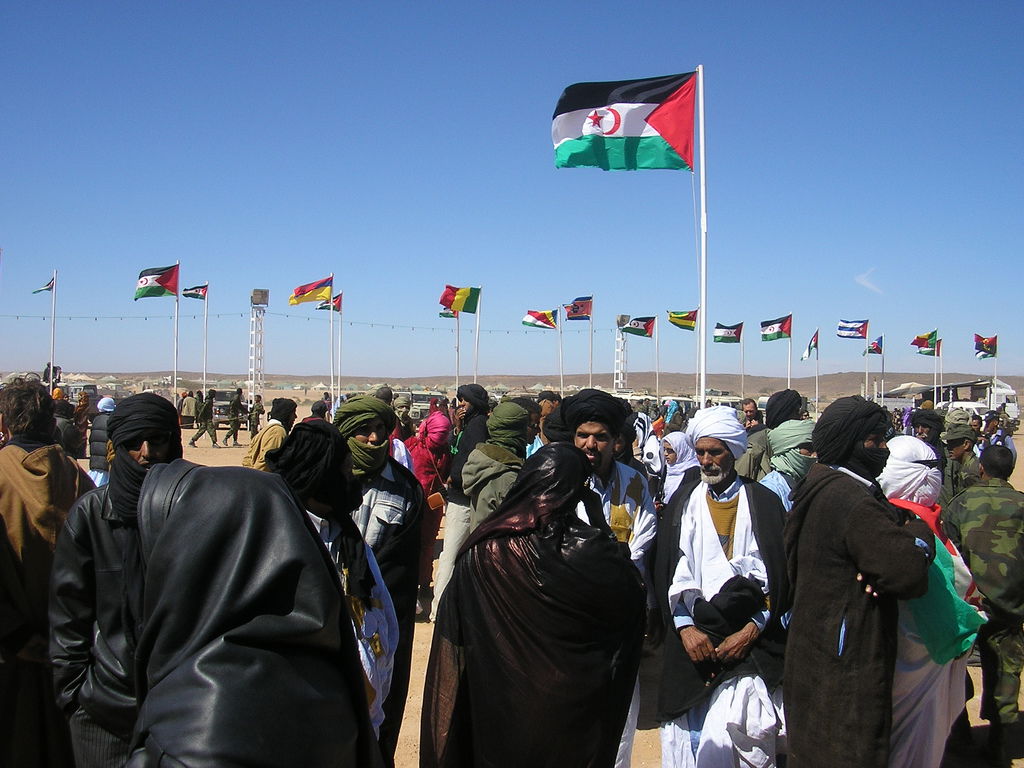

Travel advisories, hazards, and conflict indicators
What other governments currently advise about traveling here
Cost of living, housing, income, and purchasing power overview
Income tax, corporate tax, and fiscal overview
Job market, business environment, and work permits
International schools, universities, and curricula
Pension, retirement pathways, and financial planning
Seasonal temperatures, rainfall, and sunshine hours
Country photos and landscapes
Population, languages, and ethnic composition
Day-to-day expat life and practical tips
Public transit, airports, and getting around
Residency, property ownership, and legal framework
Air quality, green spaces, and sustainability
Political system, government structure, and key policies
Location overview, cost of living index, and purchasing power
Economic and geographic overview at a glance
Community perspectives and expat experiences
Ready to stop
browsing and start moving?
Generate a personalized relocation roadmap — visa path, 3 shortlisted cities, tax & timeline.
This content was generated using artificial intelligence based on publicly available information. It is provided for general informational purposes only and does not constitute legal, tax, immigration, or professional advice. Information may be incomplete or outdated. Always verify with official sources before making decisions.
Data Source: Safety, crime, and quality metrics are sourced from Numbeo, a crowd-sourced global database of reported data.
All scores are relative comparisons on a 0-100 scale, where 50 = global average. Higher scores mean better than average, lower scores mean worse than average.
Community, cultural integration, and expat life