



Sorgfältig prüfen
Sorgfältig prüfen
Lebensqualitätsindex von 100
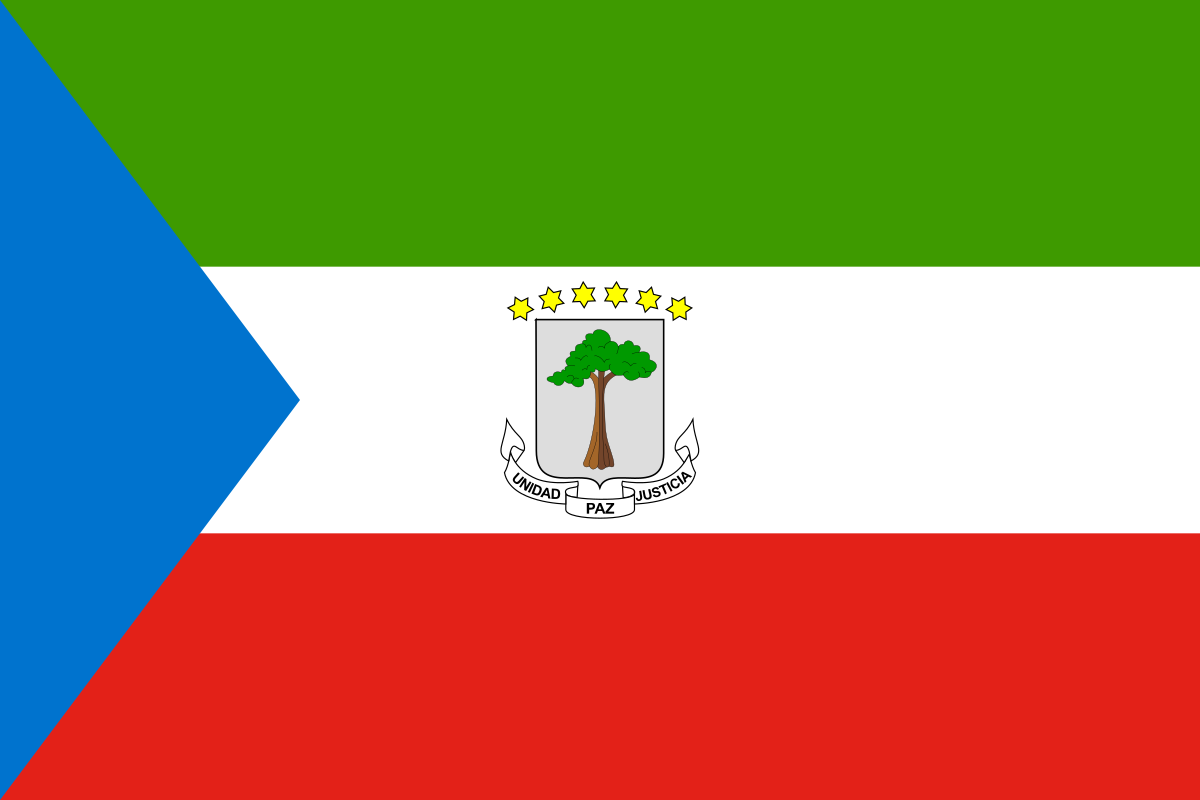
Äquatorialguinea
Atlantic Ocean · French
Äquatorialguinea
Äquatorialguinea bietet afrikanische Küsten und ganzjährig tropische Wärme zum halben Preis der Weltlebenshaltung – Ihr westliches Gehalt reicht bis zum Leben auf einer Insel mit kleinem Budget.
Wie es ist, in Äquatorialguinea zu leben
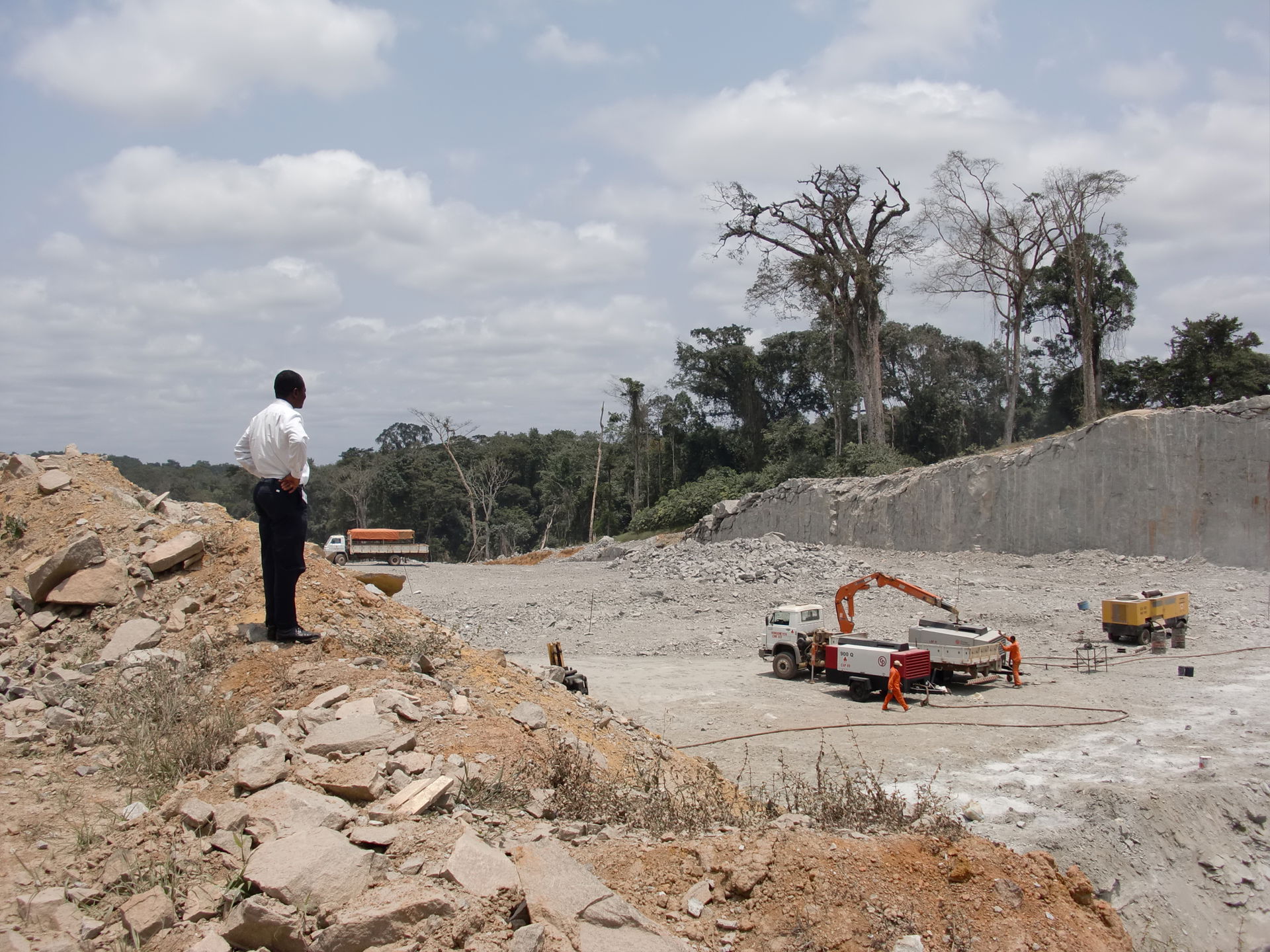
Äquatorialguinea ist ein kleines, ölreiches Land an der Westküste Zentralafrikas, das aus einer Festlandregion (Río Muni) und mehreren Inseln besteht, darunter Bioko, wo sich die Hauptstadt Malabo befindet. Trotz seiner bescheidenen Größe hat das Lan...
Dein Äquatorialguinea-Fahrplan
40+ seitige persönliche Umzugsanalyse — Visaweg, Steuerstrategie, Stadtteilguide, Gesundheitsversorgung und mehr.
- ✓Visa- & Aufenthaltsweg
- ✓Steueroptimierung
- ✓Stadtteilguide
- ✓Gesundheitsversorgung & Schulen
- ✓Kostenaufschlüsselung
Gesundheitswesen
- Das Gesundheitssystem Äquatorialguineas ist ein gemischtes Modell, wobei die öffentlichen Einrichtungen häufig unterfinanziert sind und sich die privaten Optionen auf Großstädte wie Malabo und Bata konzentrieren.
- Der Zugang zu hochwertiger Gesundheitsversorgung für Ausländer erfordert in der Regel die Nutzung privater Kliniken und Krankenhäuser, die im Vergleich zum öffentlichen System einen höheren Versorgungsstandard bieten, wenn auch im internationalen Vergleich immer noch Einschränkungen bestehen.
- Auswanderern wird dringend empfohlen, eine umfassende Auslandskrankenversicherung abzuschließen, die auch eine medizinische Evakuierung einschließt, da schwerwiegende Erkrankungen häufig eine Verlegung in Einrichtungen im Ausland erforderlich machen.
Äquatorialguinea hat für die meisten internationalen Reisenden strenge Einreisebestimmungen. Gemäß den Leitlinien für 2024–2026 müssen Reisende aus den USA, Kanada, Australien, dem Vereinigten Königreich und den meisten EU-Ländern im Allgemeinen vor der Reise ein e-Visum beantragen, anstatt sich auf eine visumfreie Einreise oder ein Visum bei der Ankunft zu verlassen. Das eVisa-System wurde 2023 eingeführt und zugelassene Reisende müssen über den Internationalen Flughafen Malabo mit einer gedruckten Kopie der Genehmigung anreisen. Offizielle und beratende Quellen weisen außerdem darauf hin, dass...
Städte in Äquatorialguinea entdecken
Alle Städte in Äquatorialguinea anzeigenErstelle dein kostenloses Profil, um personalisierte Match-Scores zu sehen.






Reisehinweise, Gefahren und Konfliktindikatoren
Was andere Regierungen aktuell zu Reisen in dieses Land empfehlen
Lebenshaltungskosten, Wohnen, Einkommen und Kaufkraft
Einkommensteuer, Körperschaftsteuer und Steuersystem
Arbeitsmarkt, Geschäftsumfeld und Arbeitsgenehmigungen
Internationale Schulen, Universitäten und Bildungssystem
Rente, Ruhestandswege und Finanzplanung
Saisonale Temperaturen, Niederschlag und Sonnenschein
Landesfotos und Landschaften
Bevölkerung, Sprachen und ethnische Zusammensetzung
Alltägliches Expat-Leben und praktische Tipps
ÖPNV, Flughäfen und Fortbewegung
Aufenthalt, Immobilien und rechtlicher Rahmen
Luftqualität, Grünflächen und Nachhaltigkeit
Regierung, Wahlen und politische Landschaft
Standortübersicht, Lebenshaltungskostenindex und Kaufkraft
Wirtschaftlicher und geografischer Überblick
Perspektiven und Erfahrungen der Expat-Community
Community & Diskussion
Hör auf zu
suchen und fang an zu ziehen?
Erstelle einen persönlichen Umzugsfahrplan — Visaweg, 3 ausgewählte Städte, Steuern & Zeitplan.
This content was generated using artificial intelligence based on publicly available information. It is provided for general informational purposes only and does not constitute legal, tax, immigration, or professional advice. Information may be incomplete or outdated. Always verify with official sources before making decisions.
Datenquelle: Sicherheits-, Kriminalitäts- und Qualitätsmetriken stammen von Numbeo, einer crowdgesourcten globalen Datenbank gemeldeter Daten.
Alle Werte sind relative Vergleiche auf einer Skala von 0-100, wobei 50 = globaler Durchschnitt. Höhere Werte bedeuten besser als der Durchschnitt, niedrigere Werte bedeuten schlechter als der Durchschnitt.
Gemeinschaft, kulturelle Integration und Expat-Leben