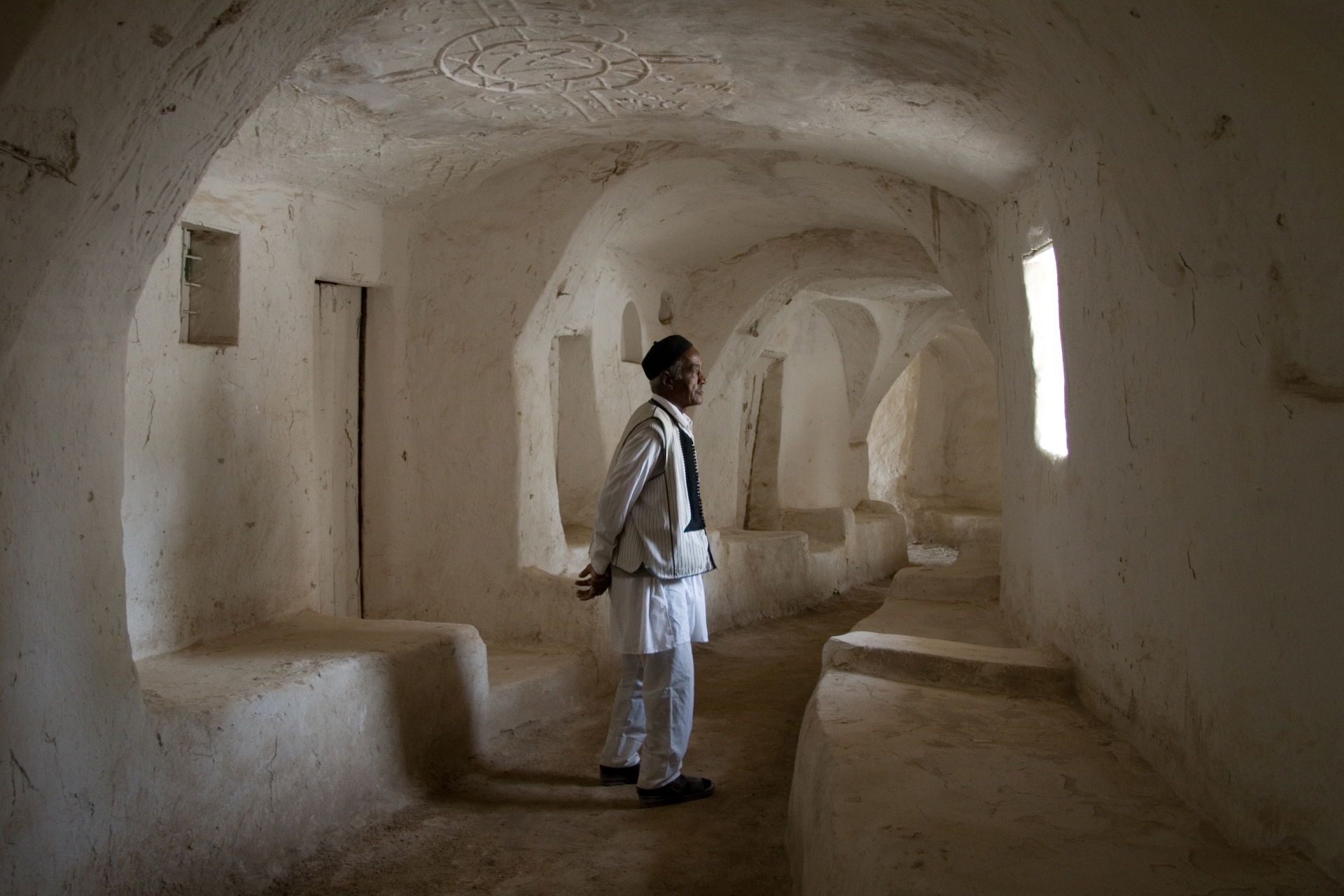
Ghadames - Grosse Moschee
Exterior of the Royal Palace of Tripoli, Libya designed by Ital…
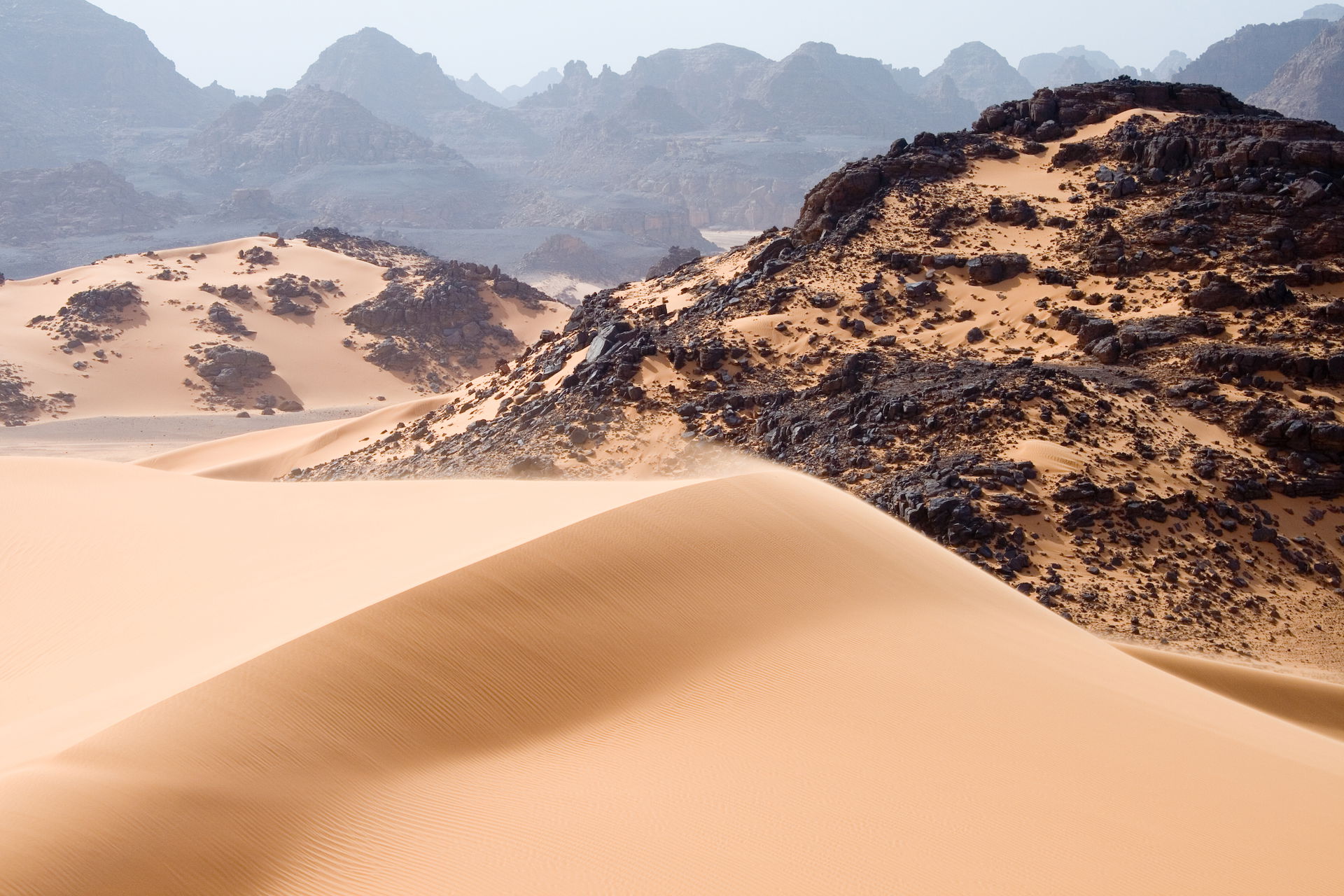
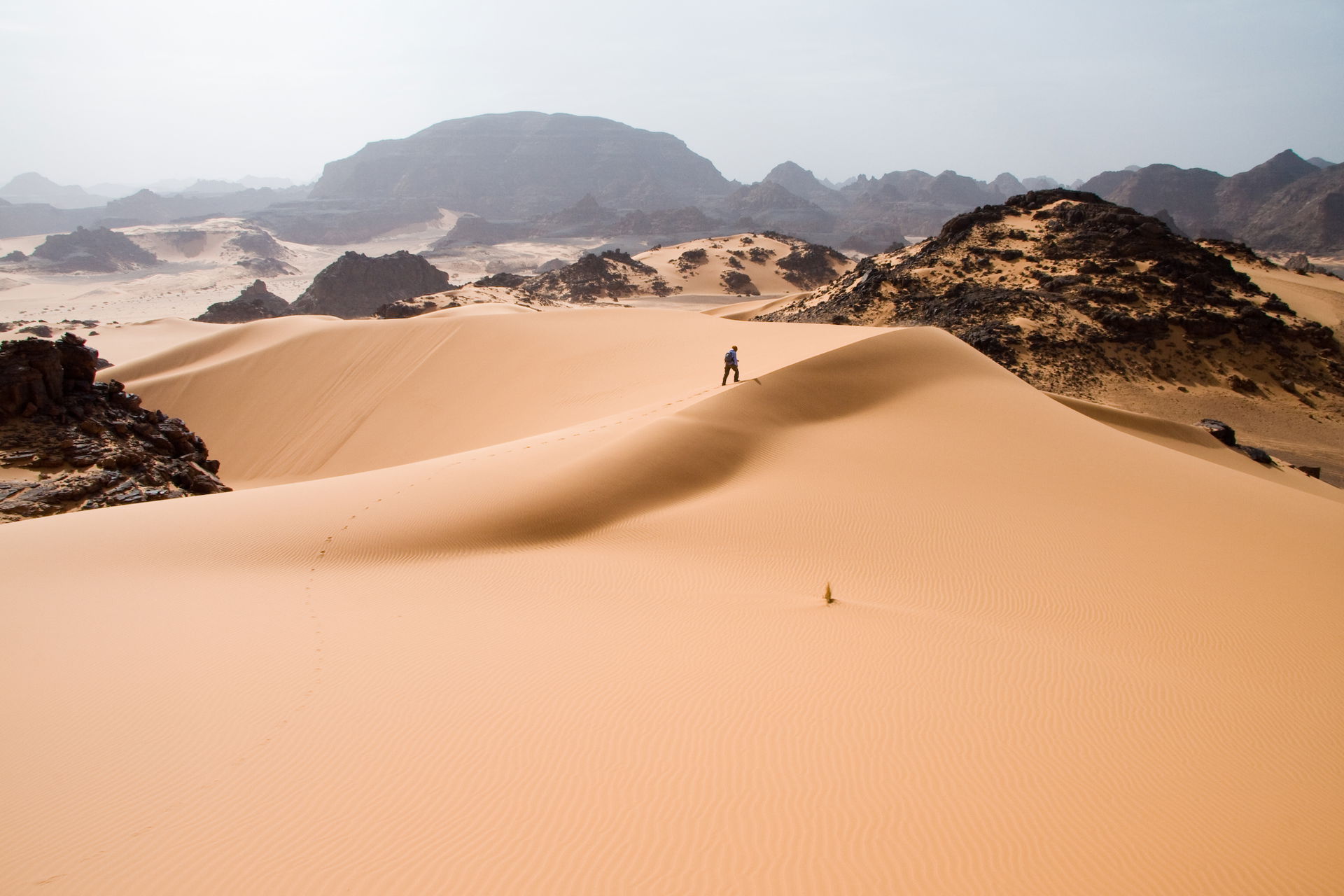
Libya is a predominantly desert country. Up to 99% of the land …
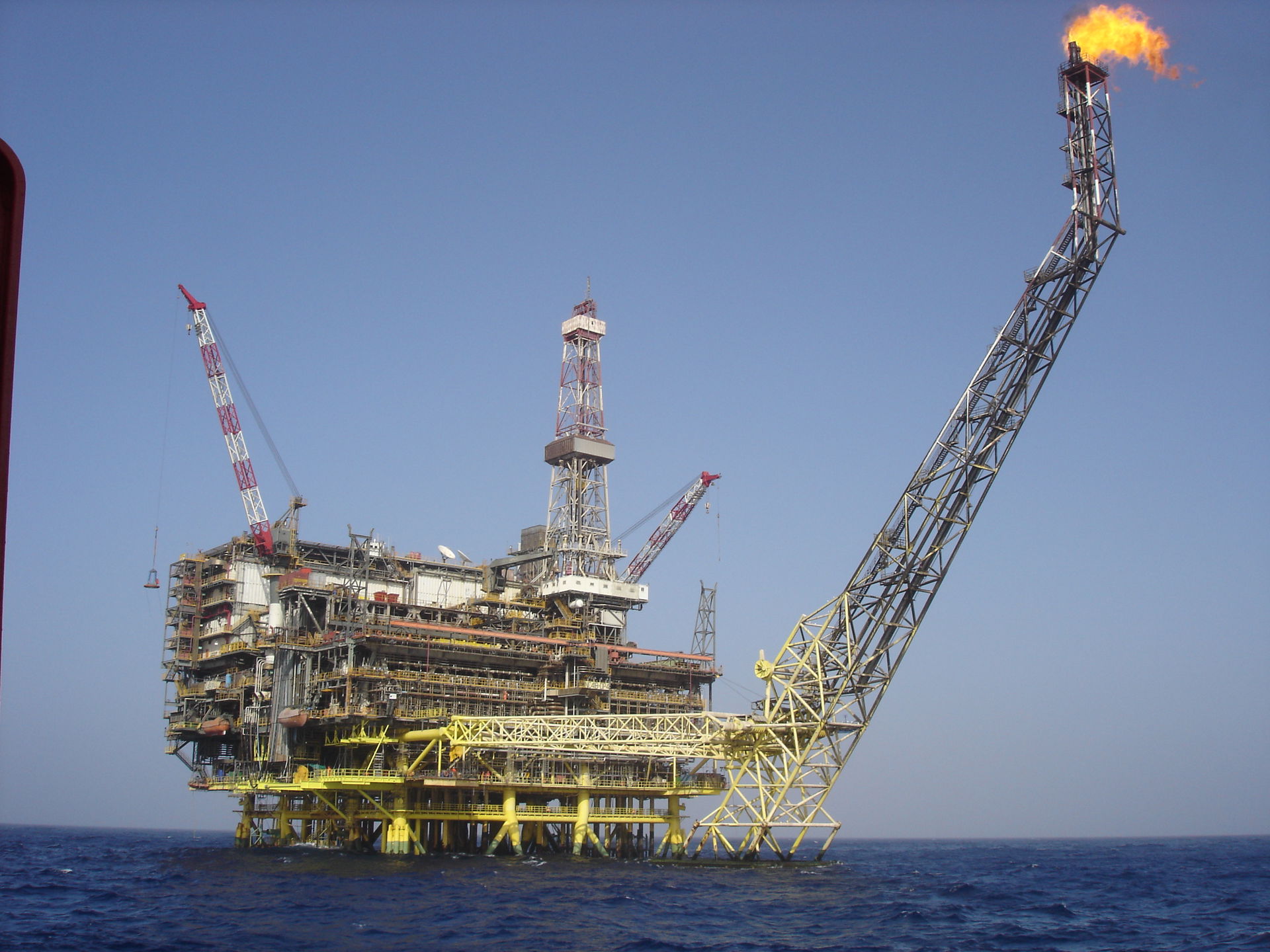
ENI Oil platform Bouri DP4
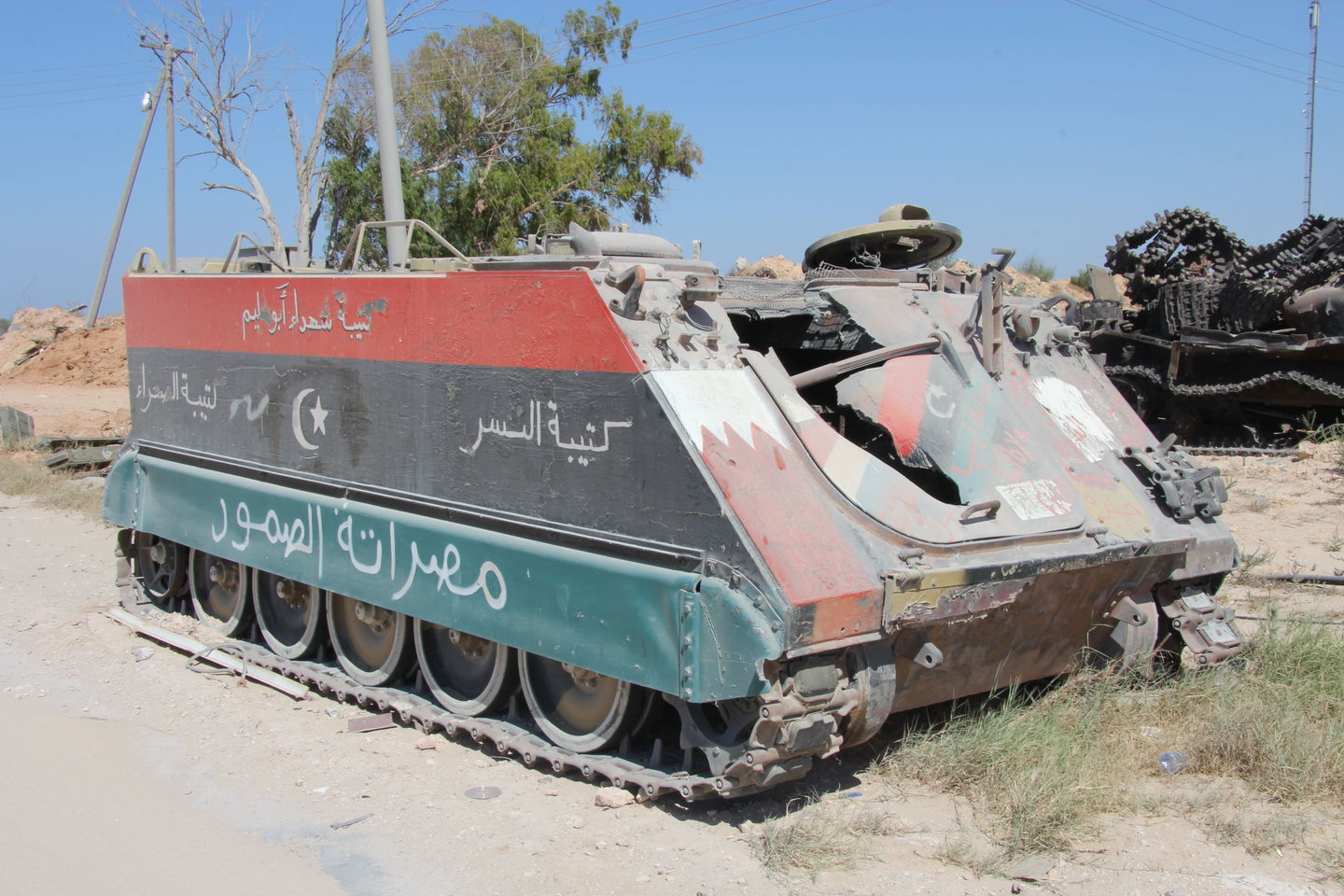
The Libyan flag decorates a street in the Tripoli medina in pre…
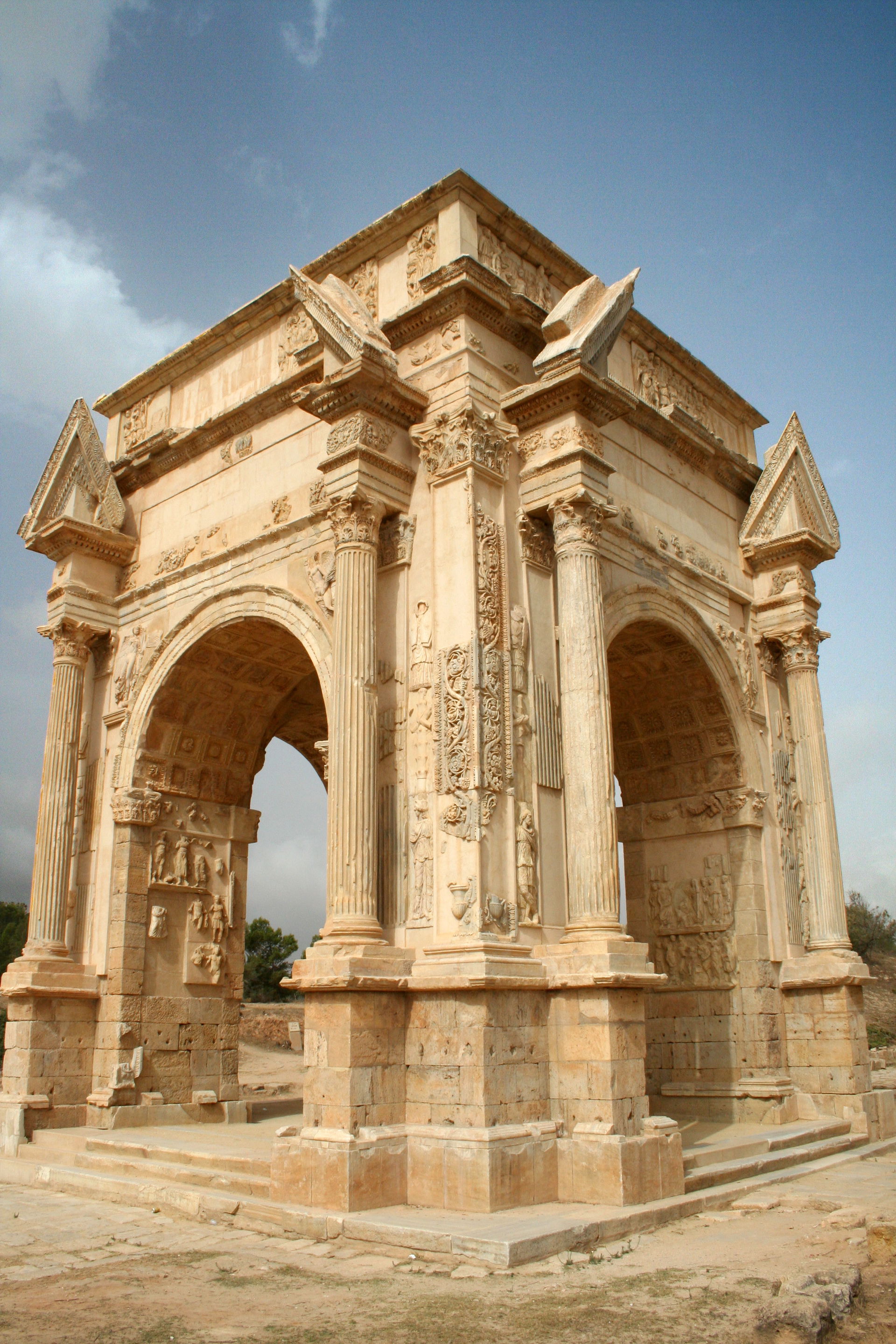
The Arch of Septimius Severus at Leptis Magna, Libya
UN MemberVisa requiredPop. 6.9M
NestFainder ScoreAI
0/ 100

Review carefully

Quality of life index out of 100

ACost
CSafety
A−Climate
BHDI
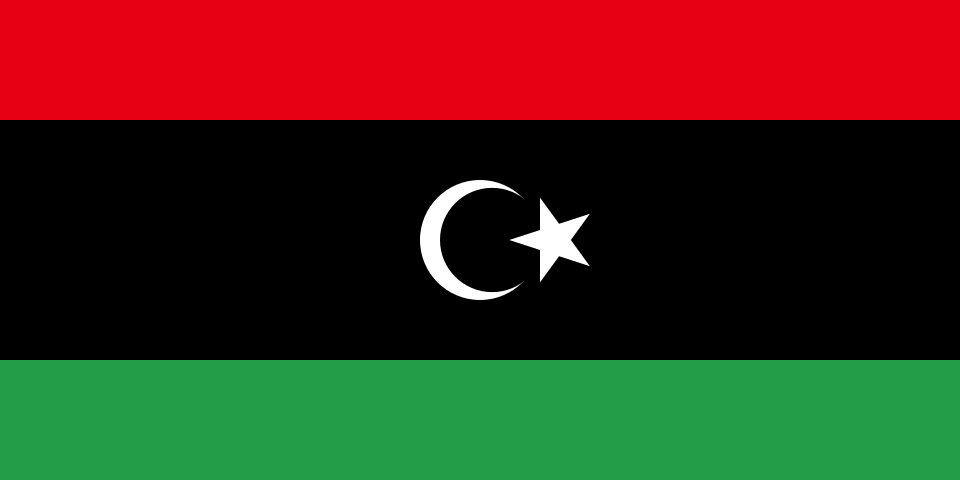
Libya flag

Libya

Mediterranean Sea · Arabic

Libya

Libyen ist ein großes nordafrikanisches Land an der Mittelmeerküste mit einer Fläche von etwa 1,76 Millionen Quadratkilometern und damit das viertgrößte Land Afrikas und das 16. größte Land weltwei…

See how Libya matches your profile
CLIMATE
Mediterranean Sea
35°C avg · 3500h sun/yr
CURRENCY
LYD
LANGUAGE
Arabic
SAFETY
Moderate
#1 globally · Safety index 44/100
COST OF LIVING
Low cost
Cost index 19/100
TIME ZONE
GMT+2
UTC+2 · 2h ahead

What it's like to live in Libya· AI overview

Libyen ist ein großes nordafrikanisches Land an der Mittelmeerküste mit einer Fläche von etwa 1,76 Millionen Quadratkilometern und damit das viertgrößte Land Afrikas und das 16. größte Land weltweit. Es grenzt an sechs Länder: Ägypten, Sudan, Tschad,...

Cost of living
vs EU Average59% lower than EU average
1-bed apartment, city
LYD1,545Apartment (1 bedroom) in City…
Dinner for two
LYD22.50Meal, Inexpensive Restaurant
Monthly groceries
LYD6.00Milk (regular), (1 liter)
Public transit (month)
LYD4.00One-way Ticket (Local Transpo…
Read the full cost-of-living guide
★ Professional

Your Libya Roadmap

40+ page personal relocation analysis — visa path, tax strategy, neighbourhood guide, healthcare setup and more.

€29one-time report
  • Visa & residency path
  • Tax optimisation
  • Neighbourhood guide
  • Healthcare & schools
  • Cost breakdown
Entry Requirements & Visa Options

Libya maintains a restrictive visa policy requiring advance approval for all international travelers, including citizens of the United States, United Kingdom, Canada, and Australia. No visa-free entry or visa on arrival is available; tourists must obtain a tourist visa through the eVisa system introduced in April 2024 or via Libyan embassies/consulates. The eVisa application requires a Letter of Invitation (LOI) from an authorized Libyan tour operator or sponsor, often necessitating booking a full guided tour due to security protocols. Applications...

Visa-free entry: 90 days
Read full guide

Libya shows a purchasing power index of 42/100, indicating moderate economic conditions for expats.

Economic OverviewLibya

GDP

$45.75B

HDI

0.7

Quality of Life

N/A

NYC baseline: 43

Purchasing Power

18/100

-24 vs NYC

Understanding the economic landscape is essential for evaluating living costs and opportunities in Libya. This comprehensive overview covers key financial indicators including cost of living, housing markets, income levels, and fiscal policies that shape daily life and long-term financial planning.

Tax information is currently being researched.

BildungssystemInternationale Schulen, Universitäten & Lehrpläne
Ratgeber öffnen

Climate

Libya, spanning 1.76 million km², features a predominantly arid climate with hot desert conditions dominating the vast interior, moderated by a narrow Mediterranean coastal strip and highland areas. Köppen classifications include hot desert (BWh), hot semi-arid (BSh), and Mediterranean (Csa/Csb) types.

Climate

Hot desert, Hot semi-arid, Mediterranean

Summer

30–40°C

Winter

10–22°C

Sunshine

3500+ hrs/yr

5 distinct climate regions — see full guide for details

Read full guide

Demographics in Libya

Population
6.9M
Life Expectancy: 71.9
Religions
Christianity 3%

Ethnic Composition

{{Tree list}} * 92% [[Arabs]] * 5% [[Berbers]] * 3% Others {{Tree list/end}}
N/A

Long-term Expat Guide in Libya

Visa & ResidencyLong-term pathways explained
Tax ObligationsResidency & income tax basics
Healthcare AccessPublic & private options
Read full guide

Arbeit & Wirtschaft

  • Employment rate: 45.0%
  • Startup ecosystem: 2.5/10
  • Business registration: 3-6 weeks
  • No formal legal framework specifically addresses remote work in Libya.
Leitfaden Arbeit & Wirtschaft

Übersetzte Version mit einem Abonnement verfügbar

Healthcare in Libya

Public HealthcareAvailable to residents
Private InsuranceWide range of providers
Quality RatingSee guide for details
Read full guide

Rente & Leistungen

★ Premium
Rentenindex
Natixis
Mindesteinkommensanforderung
€●,●●●
🔒 Gesperrt
Staatl. Krankenversicherung
Ab Aufenthalt
Premium freischalten

Verkehr & Transport

N/A
Monatliche ÖPNV-Karte
B
Flughafen · Tripoli & Tripoli & Benghazi & Misrata
28 Mbps
Ø Internetgeschwindigkeit
N/A
Einzelfahrt Bus/Metro

Libya's transportation and infrastructure landscape is characterized by an extensive but unevenly developed road network, limited public transport options, and a growing focus on strategic infrastructure projects to enhance national and regional connectivity. The country relies heavily on private road transport, with the coastal highway serving as the main artery for freight and passenger movement. Major initiatives like the Libya Africa Transit Corridors and the Alternative Freeway aim to improve inland connectivity and foster economic integration.

Verkehrsleitfaden

Übersetzte Version mit einem Abonnement verfügbar

Legal & Administrative in Libya

Residency OptionsMultiple pathways available
Property OwnershipForeign buyers welcome
Legal SystemSee full guide
Read full guide

Soziale Integration

D
Cultural integration
F
Expat community
D
Professional networking
D
Social activities

Social integration in Libya is complex due to ongoing political instability, security challenges, and a large immigrant and refugee population. The majority local population is Sunni Muslim Arabic-speaking, with strong cultural traditions and social norms. Expats and migrants face significant barriers including limited access to healthcare, education, and social services, compounded by xenophobia and legal restrictions.

Leitfaden soziale Integration

Übersetzte Version mit einem Abonnement verfügbar

Umwelt & Nachhaltigkeit

2%
Forest coverage
B
Sustainability
Moderate
Natural disaster risk
45
Air quality (AQI)

Libya faces significant environmental challenges driven by climate change, including rising temperatures, severe water scarcity, desertification, and increasing risks of extreme weather events such as floods and heatwaves. The country’s arid climate and reliance on fossil fuels complicate adaptation efforts. Despite limited data on air and water quality, Libya is making strides in environmental governance and sustainable development, focusing on renewable energy and ecosystem restoration to mitigate climate impacts and improve resilience.

Umwelt-Leitfaden

Übersetzte Version mit einem Abonnement verfügbar

Umwelt & Nachhaltigkeit in Libya

LuftqualitätDetaillierte Bewertung ansehen
GrünflächenParks & Naturgebiete
NachhaltigkeitUmweltpolitik
Read full guide
Political Landscape & Stability

Libya remains politically divided with two rival administrations controlling different regions. The UN-backed Government of National Unity led by Abdul Hamid Dbeibah governs western Libya, while the Government of National Stability backed by eastern forces holds the east. Despite municipal elections in 2025, national elections remain postponed amid ongoing political deadlock and efforts to unify institutions continue under a UN roadmap.

System
Transitional Government
Stability
Unstable
Democracy
Authoritarian
Legal System
Mixed legal system of civil law
Read full guide

Hör auf zu
suchen und fang an zu ziehen?

Erstelle einen persönlichen Umzugsfahrplan — Visaweg, 3 ausgewählte Städte, Steuern & Zeitplan.

Meinen Fahrplan erstellen

Data Source: Safety, crime, and quality metrics are sourced from Numbeo, a crowd-sourced global database of reported data.

All scores are relative comparisons on a 0-100 scale, where 50 = global average. Higher scores mean better than average, lower scores mean worse than average.