



Sorgfältig prüfen
Sorgfältig prüfen
Lebensqualitätsindex von 100

Mali
French
Mali
Mali bietet westafrikanische Sonne und endlose Horizonte zu extrem günstigen Preisen – Ihr westlicher Gehaltsscheck reicht in diesem ruhigen Grenzland bis ins Unendliche.
Wie es ist, in Mali zu leben
Mali ist ein Binnenstaat in Westafrika und zeichnet sich durch vielfältige geografische Landschaften aus, die von der Sahara im Norden bis zur fruchtbareren sudanesischen Savanne im Süden reichen. Der Niger, eine der längsten Wasserstraßen Afrikas, d...
Dein Mali-Fahrplan
40+ seitige persönliche Umzugsanalyse — Visaweg, Steuerstrategie, Stadtteilguide, Gesundheitsversorgung und mehr.
- ✓Visa- & Aufenthaltsweg
- ✓Steueroptimierung
- ✓Stadtteilguide
- ✓Gesundheitsversorgung & Schulen
- ✓Kostenaufschlüsselung
Gesundheitswesen
- Malis Gesundheitssystem ist stark unterentwickelt, stark auf ausländische Hilfe angewiesen und steht vor großen Herausforderungen, insbesondere außerhalb der Hauptstadt Bamako.
- Obwohl es einen allgemeinen Krankenversicherungsplan (RAMU/UHIP) gibt, mangelt es den öffentlichen Gesundheitseinrichtungen oft an ausreichend Personal, Material und moderner Ausrüstung, sodass die private Pflege in Bamako für Expats die bevorzugte Option ist.
- Eine internationale Krankenversicherung, einschließlich umfassender medizinischer Evakuierungsversicherung, wird dringend empfohlen und ist aufgrund begrenzter lokaler Einrichtungen und Sicherheitsbedenken oft für alle Ausländer und Expats unerlässlich.
Seit dem 1. Januar 2026 hat sich die Visumpolitik Malis erheblich geändert. Seit Januar 2026 hat die malische Regierung die Erteilung von Visa für US-Bürger ausgesetzt und das US-Außenministerium empfiehlt US-Bürgern, sich vor der Reiseplanung bei der nächstgelegenen Botschaft von Mali nach den aktuellsten Einreisebestimmungen zu erkundigen. Die Entscheidung über die Einreise liegt ausschließlich im Ermessen der malischen Einwanderungsbeamten am Flughafen, und die US-Botschaft kann nicht eingreifen, um Privatpersonen die Einreise zu erleichtern. Für andere internationale Besucher bietet Mali mehrere...
Städte in Mali entdecken
Alle Städte in Mali anzeigenErstelle dein kostenloses Profil, um personalisierte Match-Scores zu sehen.



Reisehinweise, Gefahren und Konfliktindikatoren
Was andere Regierungen aktuell zu Reisen in dieses Land empfehlen
Lebenshaltungskosten, Wohnen, Einkommen und Kaufkraft
Einkommensteuer, Körperschaftsteuer und Steuersystem
Arbeitsmarkt, Geschäftsumfeld und Arbeitsgenehmigungen
Internationale Schulen, Universitäten und Bildungssystem
Rente, Ruhestandswege und Finanzplanung
Saisonale Temperaturen, Niederschlag und Sonnenschein
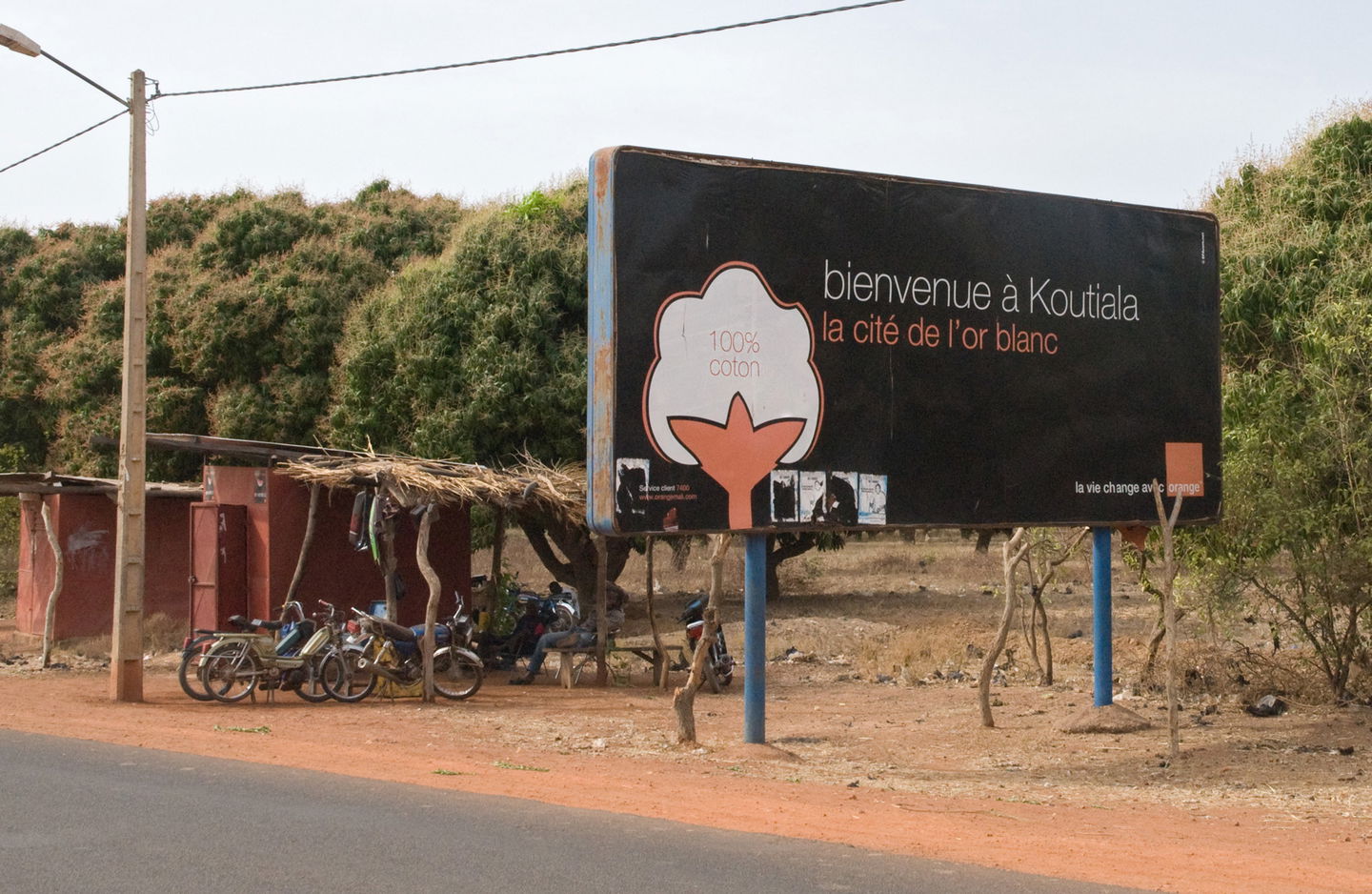
Landesfotos und Landschaften
Bevölkerung, Sprachen und ethnische Zusammensetzung
Alltägliches Expat-Leben und praktische Tipps
ÖPNV, Flughäfen und Fortbewegung
Aufenthalt, Immobilien und rechtlicher Rahmen
Luftqualität, Grünflächen und Nachhaltigkeit
Regierung, Wahlen und politische Landschaft
Standortübersicht, Lebenshaltungskostenindex und Kaufkraft
Wirtschaftlicher und geografischer Überblick
Perspektiven und Erfahrungen der Expat-Community
Community & Diskussion
Hör auf zu
suchen und fang an zu ziehen?
Erstelle einen persönlichen Umzugsfahrplan — Visaweg, 3 ausgewählte Städte, Steuern & Zeitplan.
This content was generated using artificial intelligence based on publicly available information. It is provided for general informational purposes only and does not constitute legal, tax, immigration, or professional advice. Information may be incomplete or outdated. Always verify with official sources before making decisions.
Datenquelle: Sicherheits-, Kriminalitäts- und Qualitätsmetriken stammen von Numbeo, einer crowdgesourcten globalen Datenbank gemeldeter Daten.
Alle Werte sind relative Vergleiche auf einer Skala von 0-100, wobei 50 = globaler Durchschnitt. Höhere Werte bedeuten besser als der Durchschnitt, niedrigere Werte bedeuten schlechter als der Durchschnitt.
Gemeinschaft, kulturelle Integration und Expat-Leben