Explore all neighborhoods and districts in The Hague. Each area has its own unique character, attractions, and lifestyle. Click on any district to learn more about living there.
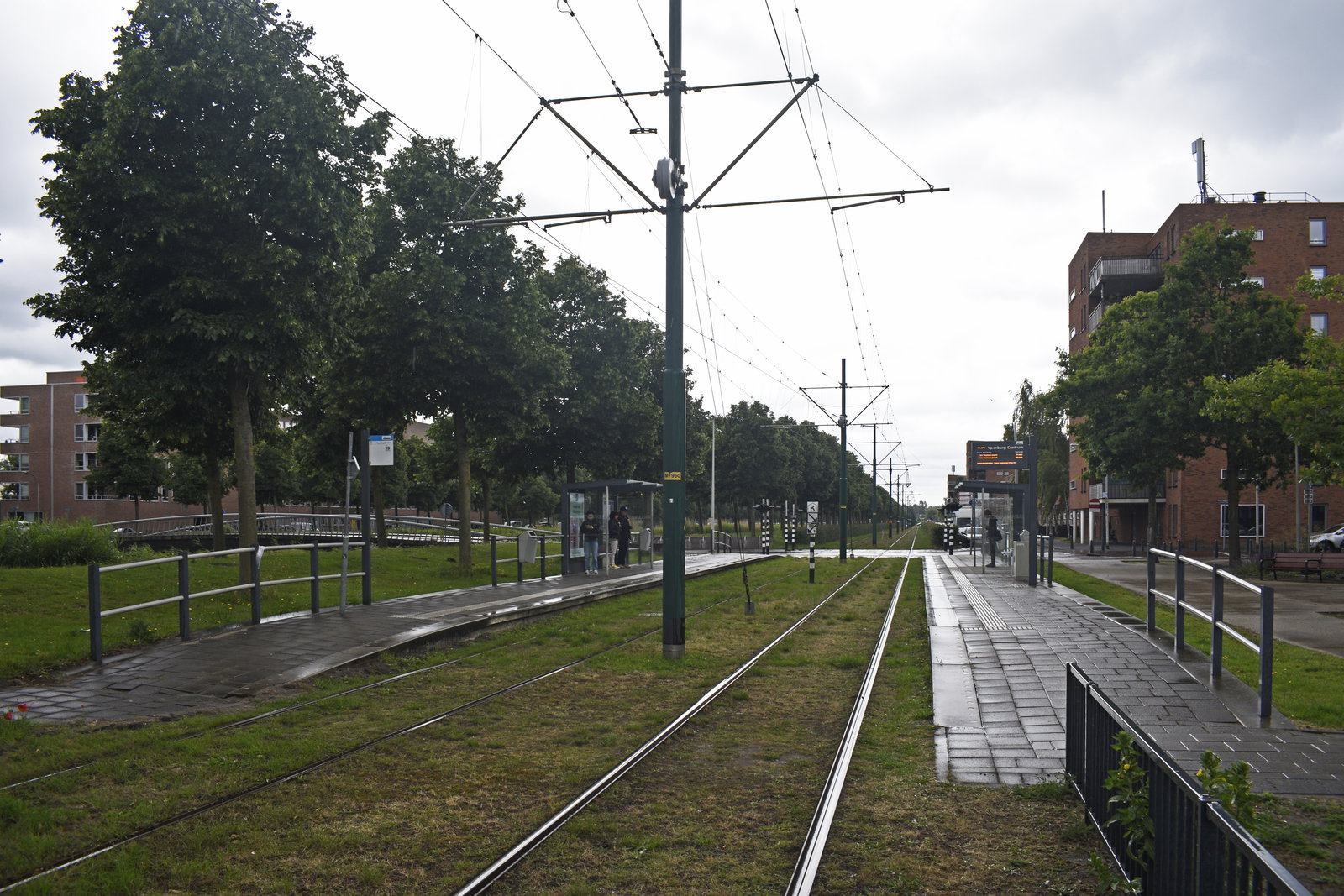
The largest district by population, located in the central-eastern area. A diverse residential district with multiple neighborhoods including Rustenburg, Leyenburg, Bouwlust/Vrederust, Morgonstond, Zuiderpark, Moerwijk, and Wateringse Veld.
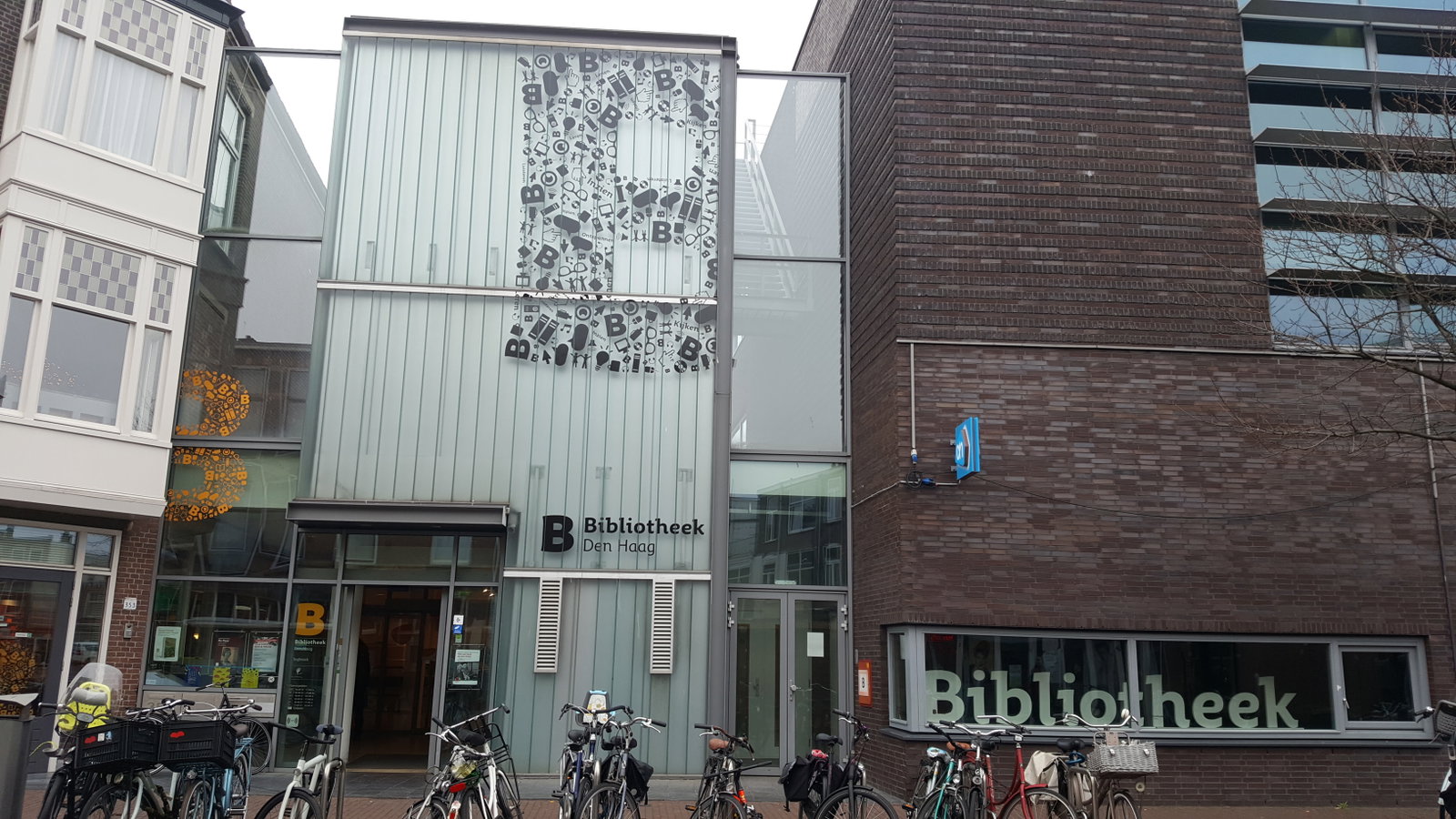
The vibrant city center district known for the Binnenhof, Hofvijver, Paleis Noordeinde, and numerous shops, restaurants, entertainment venues, cultural institutions and museums. Home to major events on Malieveld and Lange Voorhout.
Located west of the city center, includes neighborhoods such as Bomen & Bloemenbuurt, Regentessekwartier, Valkenboskwartier, Vruchtenbuurt and Vogelwijk. Vogelwijk is one of the city's wealthiest areas. 56.5% native Dutch residents.
A coastal district known for its beach and seaside attractions. Popular with both locals and tourists for its waterfront amenities and recreational opportunities.
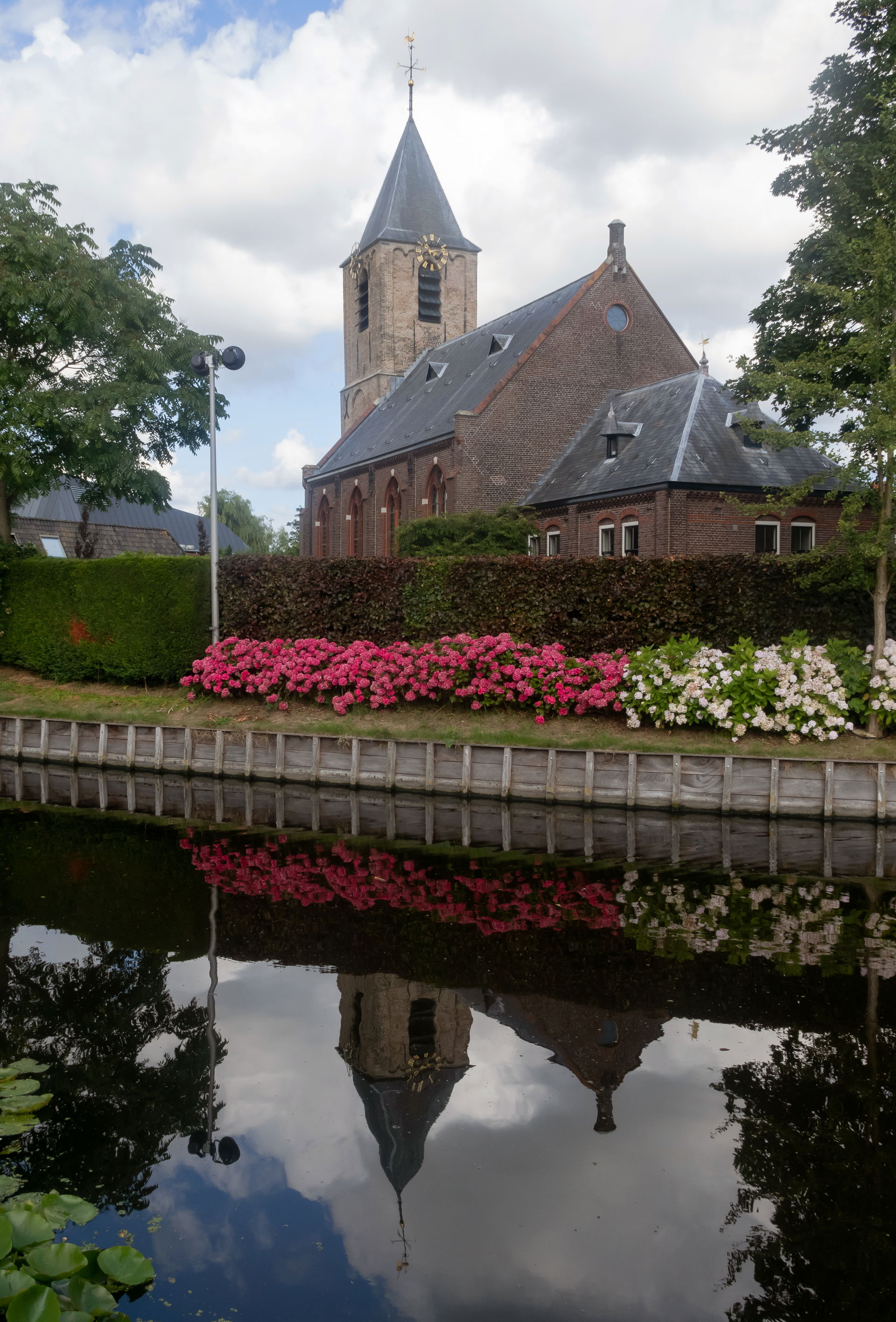
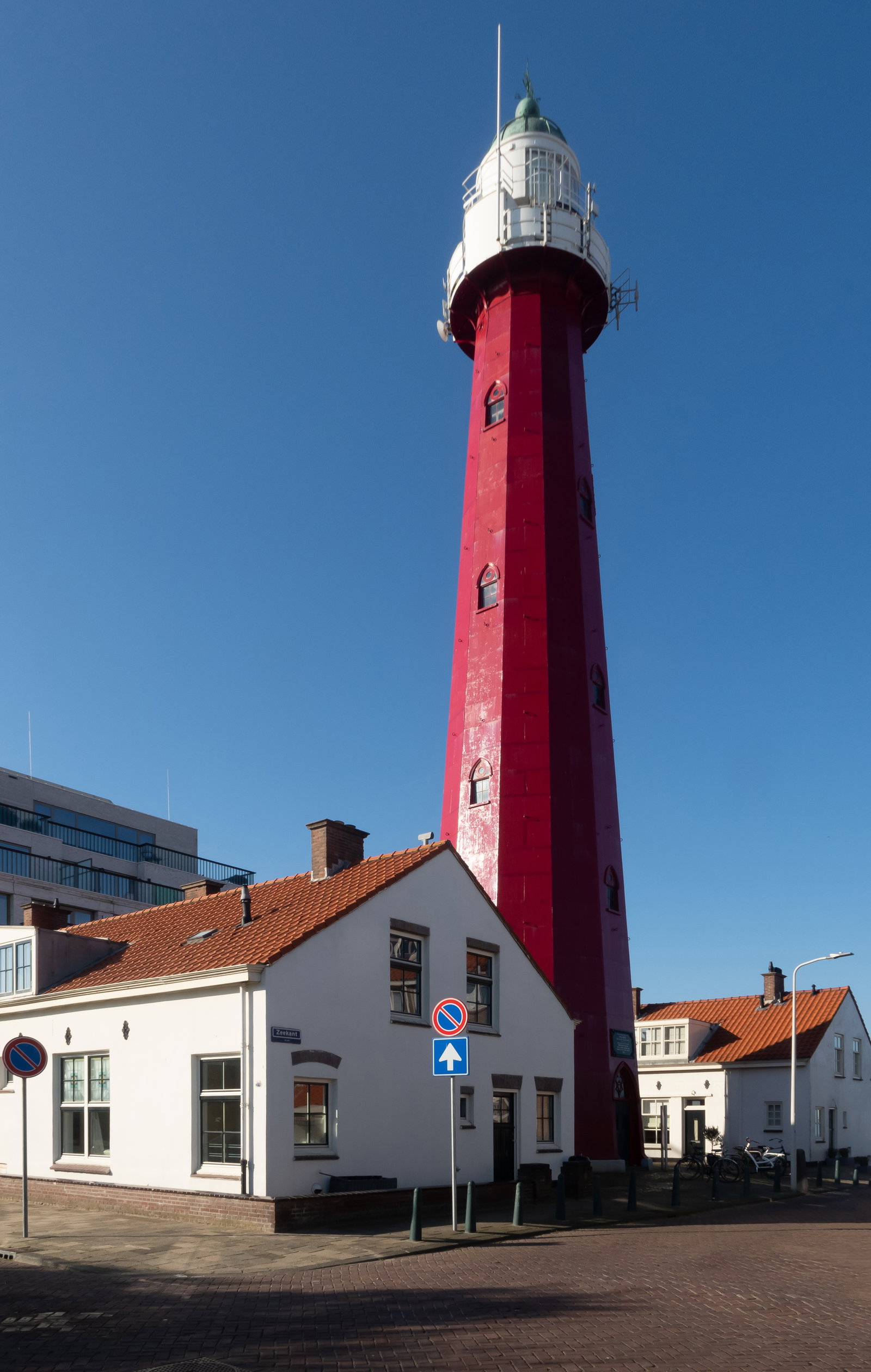
Located on the southwest side of the city, this district was a separate municipality until its annexation in 1923. Includes neighborhoods of Bohemen, Meer en Bos, Kijkduin en Ockenburgh, Kraayenstein en Vroondaal, and Waldeck.
One of the city's greenest districts with the 100-hectare Haagse Bos forest. Home to wealthy neighborhoods including Benoordenhout and Marlot, as well as Mariahoeve, Bezuidenhout and Beatrixkwartier. Approximately 52.2% international residents.
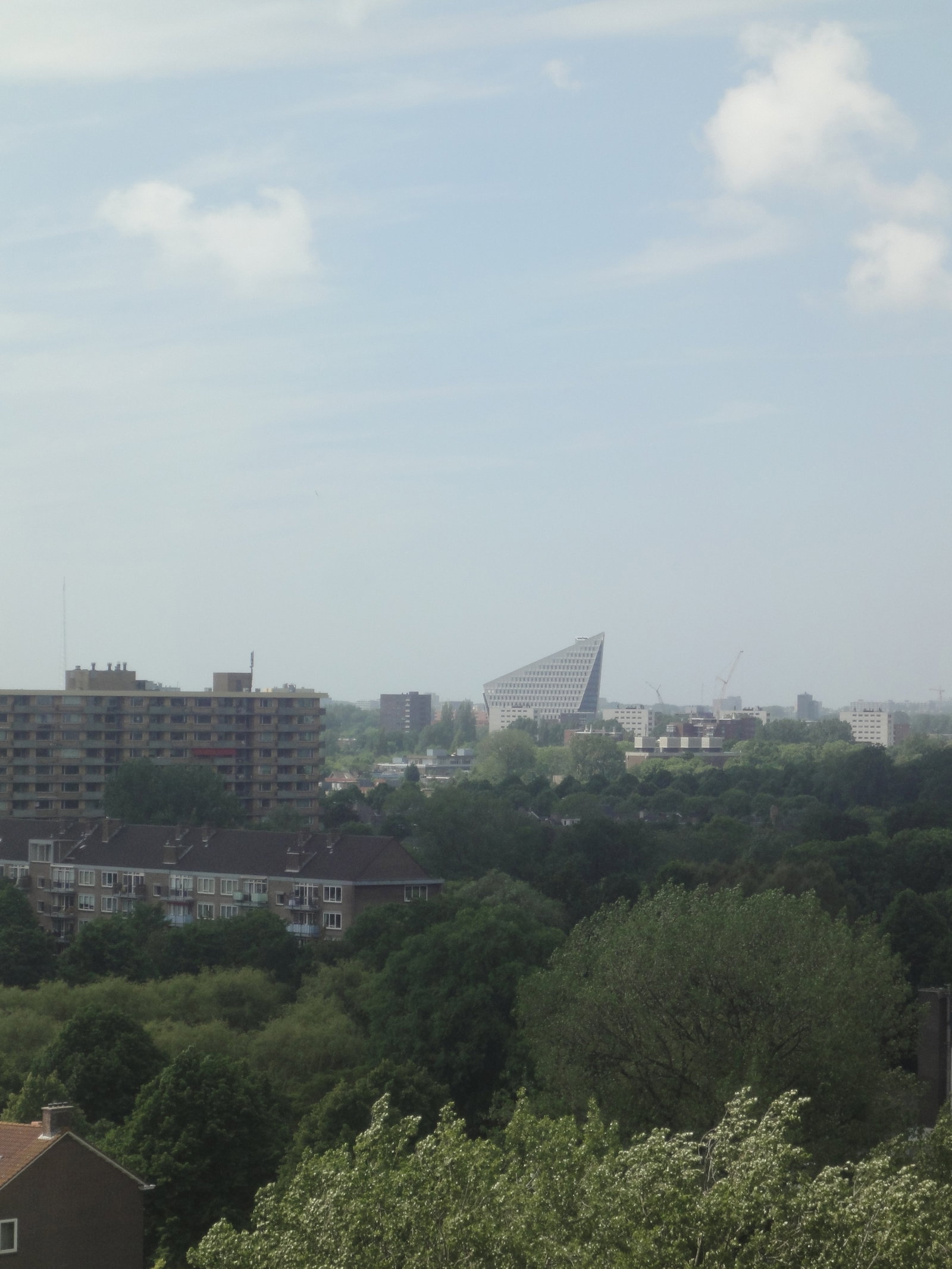
The smallest district by both area and population, located south of the city center. Home to The Hague University of Applied Sciences main campus. Includes neighborhoods of Binckhorst, Spoorwijk and Laakkwartier. Popular with students and young professionals.
A suburban area located around the city center, separated as an independent municipality but closely connected to The Hague. Convenient for residents seeking suburban living with city access.