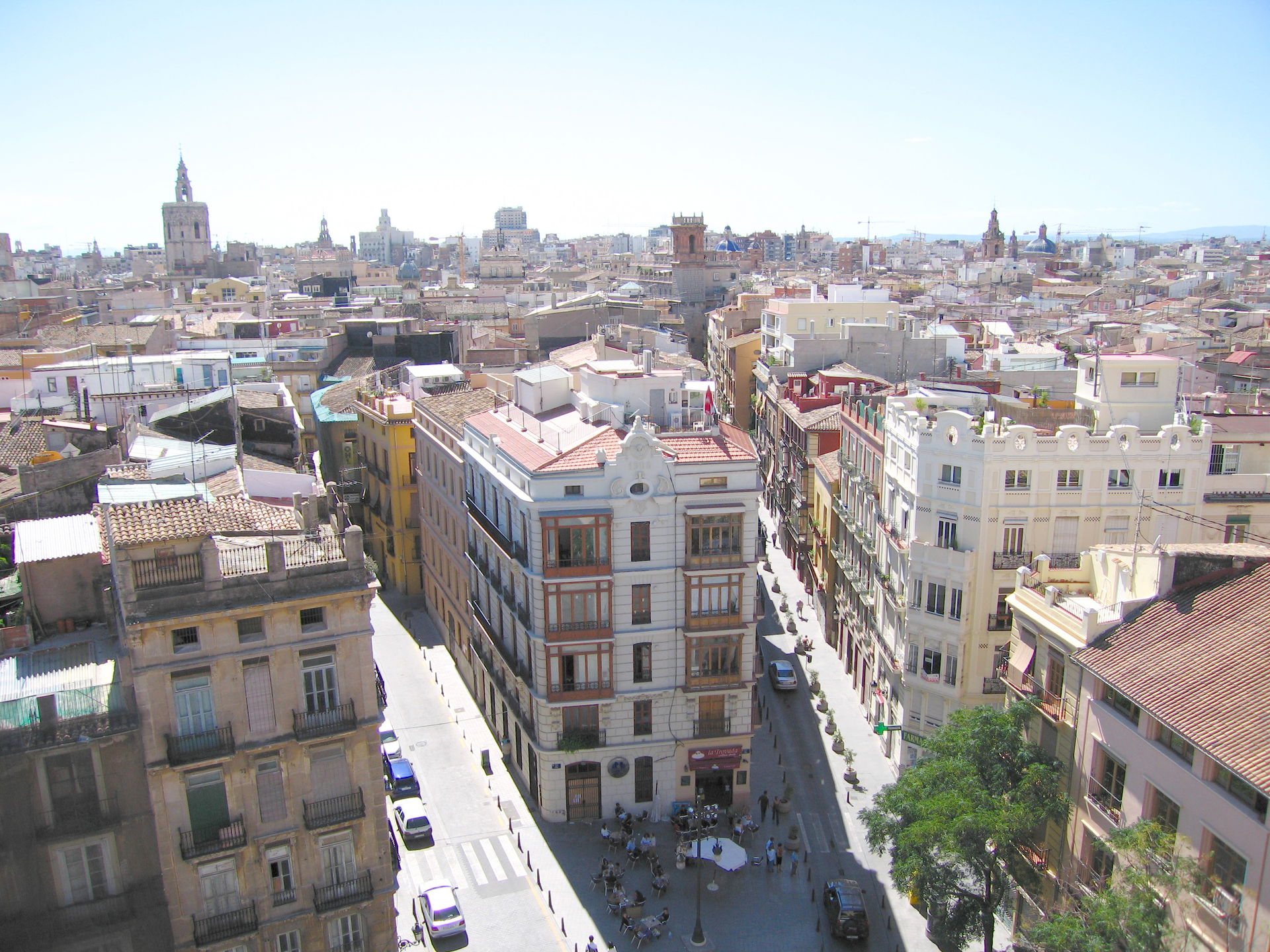
Ciutat Vella, meaning "Old City" in Catalan, is Barcelona's historic heart and District 1, encompassing the city's oldest neighborhoods like the Gothic Quarter, El Raval, Sant Pere, Santa Caterina i la Ribera (El Born), and La Barceloneta. This district is characterized by its very high historic character, with Roman ruins and medieval architecture evident throughout its winding streets and squares. It is a highly diverse and international area, known for its vibrant atmosphere and high nightlife, making it a very low quietness district. Ciutat Vella is the political and geographic center of Barcelona, offering a rich cultural experience with numerous museums, galleries, and theaters.
The district boasts an abundance of facilities, including over a thousand restaurants, nearly 500 bars, and 290 cafes, reflecting its lively gastronomic and social scene. It also has a significant number of educational institutions, with 57 schools and 15 universities, indicating a strong academic presence. Despite its urban density, Ciutat Vella is very cycling-friendly with 24.47 km of cycleways and numerous bike parking and rental options. Walkability is moderate, and public transport is also moderate, served by multiple metro lines, bus stops, and a train station, connecting residents efficiently to other parts of Barcelona and beyond.
While Ciutat Vella offers a dynamic urban lifestyle, it ranks very low in green space, being 12th out of 12 city districts, with only 40 parks and limited forest areas. Family-friendliness is low, and playgrounds are fewer compared to the city baseline. The district has a population of approximately 30,000 residents within its 4.24 square kilometers. Current real estate trends show apartment rents averaging around 30.0 EUR per square meter. The air quality in Ciutat Vella is generally good, with an AQI of 2.5, which is slightly better than the city's baseline.
Recent developments in Ciutat Vella include significant investment from the city council, with over €30 million allocated for urban regeneration between now and 2028. This "second great transformation" aims to address the impacts of overtourism, speculation, and housing issues by redesigning public spaces, converting old buildings into neighborhood arts centers, and prioritizing the rehabilitation of its aging housing stock. The goal is to reclaim the district for its residents and rebuild its social and cultural fabric.
Given its energetic character, extensive nightlife, cultural richness, and excellent connectivity, Ciutat Vella is particularly well-suited for young professionals, students, and individuals who thrive in a bustling, historic urban environment and appreciate easy access to cultural attractions and diverse dining options. It may be less ideal for families seeking quiet residential areas with ample green spaces or those prioritizing a tranquil living experience.
This content was generated using artificial intelligence based on publicly available information. It is provided for general informational purposes only and does not constitute legal, tax, immigration, or professional advice. Information may be incomplete or outdated. Always verify with official sources before making decisions.