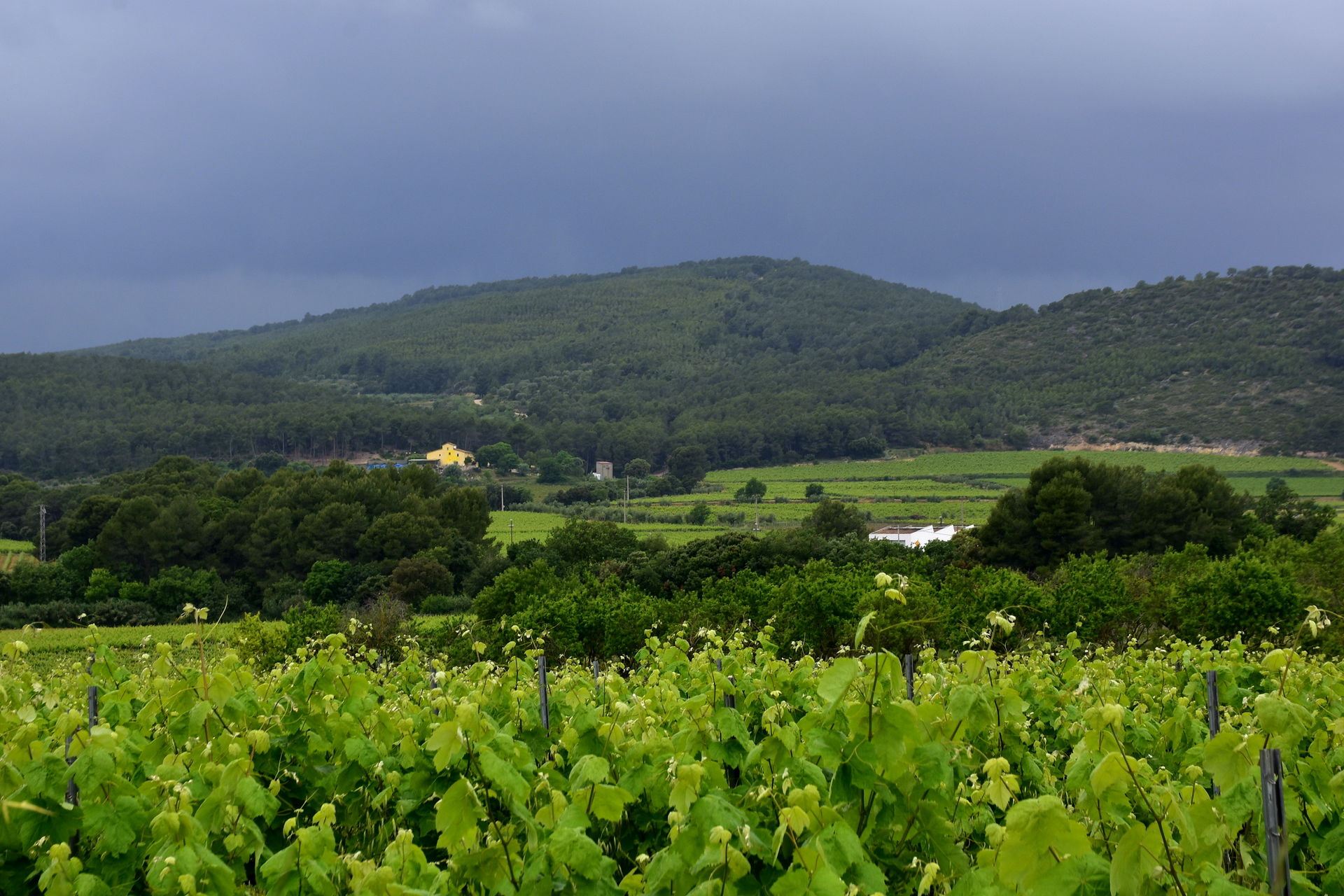
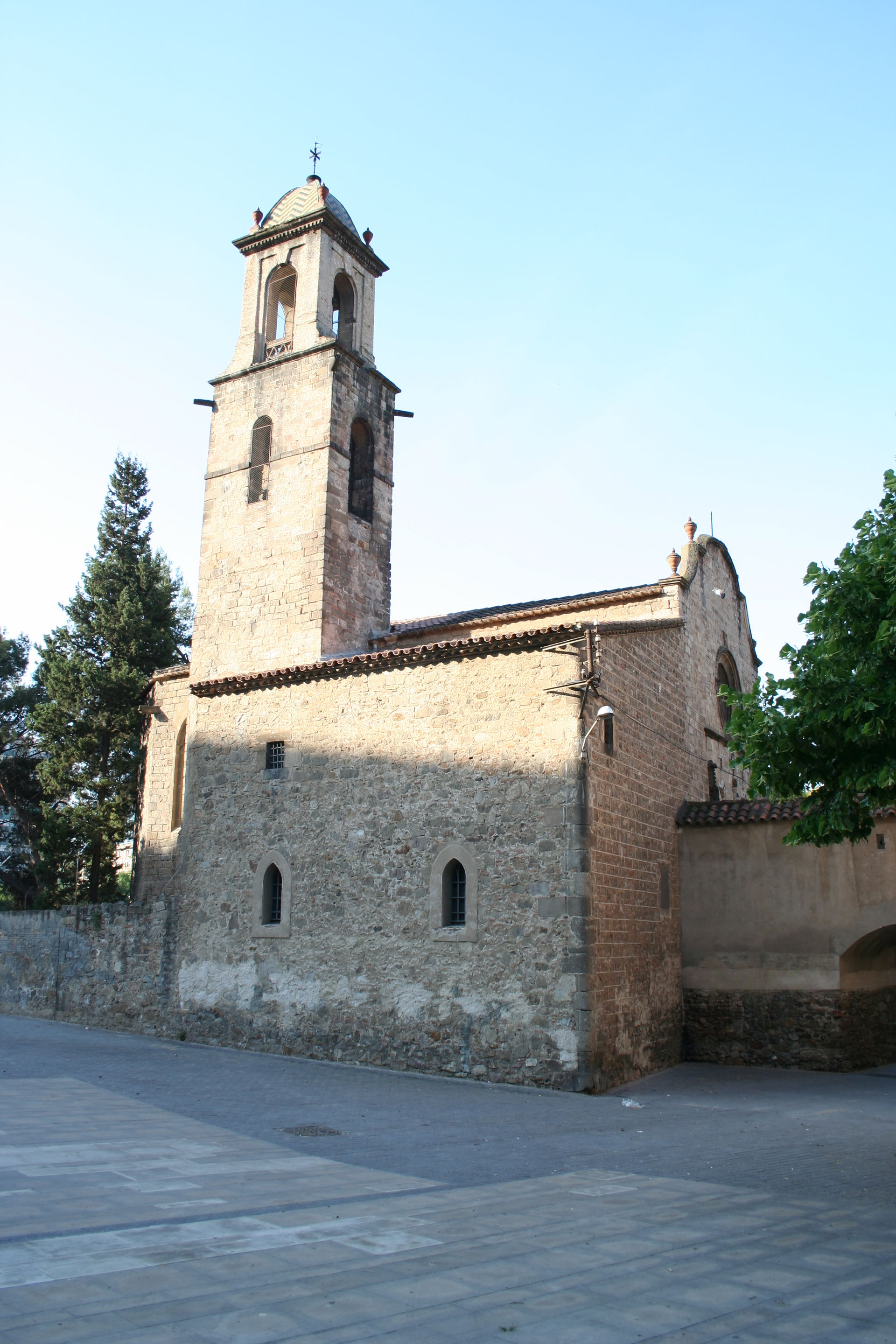
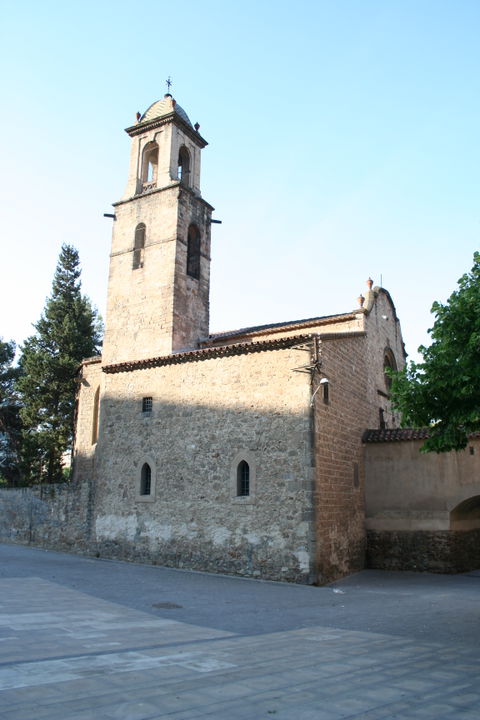
Sant Martí, Barcelona's second most populated district, offers a dynamic blend of historic charm and modern innovation, making it a diverse area for prospective residents. Spanning 10.4 square kilometers, it has undergone significant transformation from its industrial past, particularly since the 1992 Olympic Games, which opened the district to the sea and spurred urban renewal. The district features a mix of traditional neighborhoods, like El Clot, alongside cutting-edge areas such as the 22@ technology hub and the contemporary coastal zone of Diagonal Mar. Its character is marked by a very high diversity and high family-friendliness, appealing to a broad range of individuals and households. While not the quietest district, it offers a moderate level of nightlife and a vibrant atmosphere.
For those considering a move, Sant Martí provides a lifestyle that balances urban convenience with access to nature. It boasts a moderate amount of green space, ranking fifth among the city's districts, with 170 parks including notable ones like Parc de Diagonal Mar and Parc del Centre del Poblenou. The district's very high walkability and cycling friendliness are supported by 72.57 kilometers of cycleways, numerous bike rentals, and ample parking. Residents can enjoy the district's nearly three kilometers of coastline, featuring a beach and a marina, offering opportunities for outdoor activities. Essential amenities are plentiful, with 212 sports facilities, 85 swimming pools, 225 playgrounds, 137 schools, 30 kindergartens, and 17 universities, catering to families, students, and professionals drawn to the innovation district.
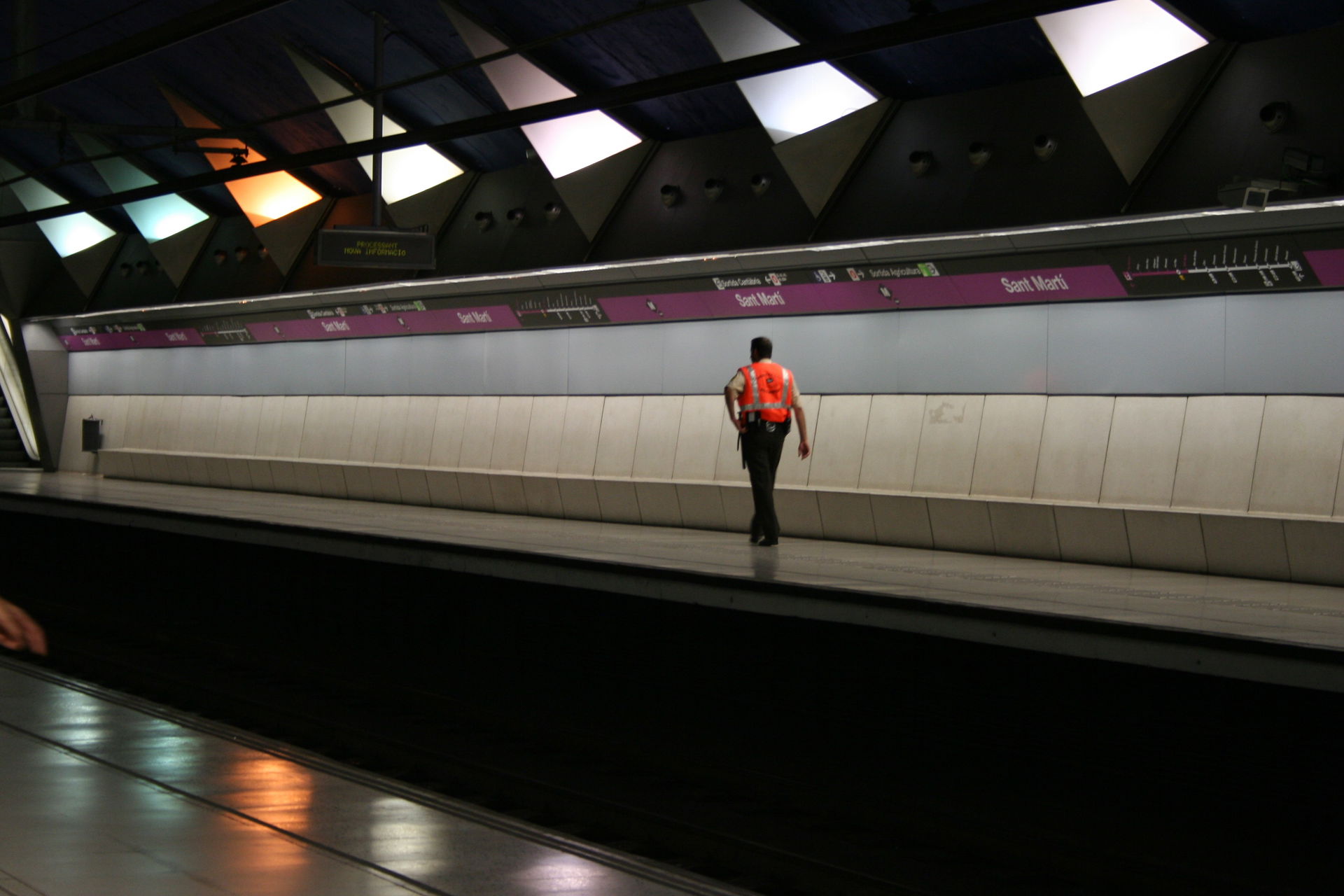
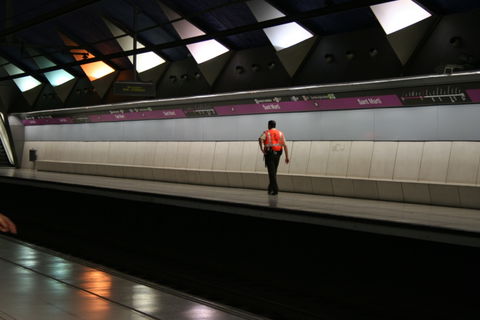
Connectivity within Sant Martí and to the wider city is robust. Public transport is moderate overall, ranking eighth among Barcelona's districts, but it is well-served by 17 metro stops, 266 bus stops, and 29 tram stops, facilitating convenient travel. The district prioritizes sustainable mobility, emphasizing pedestrian and public transport options. In terms of daily life, residents have access to 42 doctors, 21 hospitals, 230 pharmacies, and 66 dentists. The culinary scene is extensive, with 758 restaurants and 437 bars, complemented by four marketplaces and various retail offerings, including large shopping centers.
Looking ahead, Sant Martí continues to evolve with significant urban development projects. A new neighborhood in the Prim area is planned to introduce thousands of homes and extensive green spaces, further enhancing the district's residential appeal. The ongoing 22@ project reinforces its status as a technology and innovation hub, attracting professionals and startups. The air quality in Sant Martí is generally good, with an AQI of 2.0, often showing better levels for certain pollutants compared to the city average. Apartment rents are approximately 26.0 EUR per square meter. This blend of established community, modern infrastructure, and ongoing development makes Sant Martí a compelling option for those seeking a diverse and well-connected urban environment.
This content was generated using artificial intelligence based on publicly available information. It is provided for general informational purposes only and does not constitute legal, tax, immigration, or professional advice. Information may be incomplete or outdated. Always verify with official sources before making decisions.